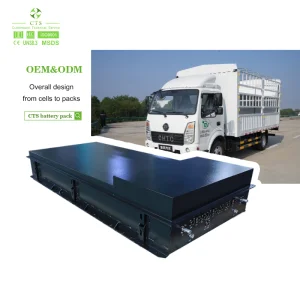
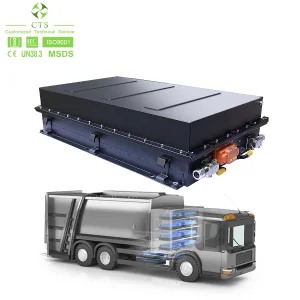
Deploying advanced heavy-duty thermal systems optimized for long-term durability in hot and humid operational conditions.
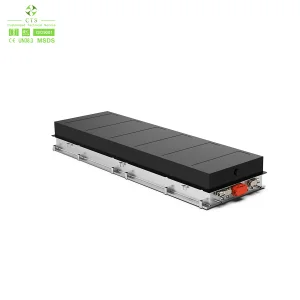
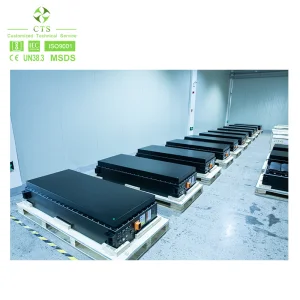
Equatorial Guinea, located along the Gulf of Guinea, presents a unique set of geographic and climatic parameters for modern electromobility. With a tropical climate characterized by high average temperatures (typically ranging between 25°C and 32°C year-round) and relative humidity levels frequently exceeding 90%, the thermal management of lithium-ion battery packs becomes the critical engineering challenge for electric vehicles (EVs).
Without active, high-capacity cooling systems, EV batteries deployed in regions like Malabo and Bata face significant risks of thermal runaway, rapid capacity fade, and severe reductions in cycle life. Elevated operating temperatures accelerate the decomposition of the solid electrolyte interphase (SEI) layer inside lithium cells. This results in the loss of active lithium ions and triggers internal resistance escalation. To combat these degradation mechanisms, Zhejiang Rock Auto leverages over 15 years of precision metallurgical and thermal design expertise to engineer liquid, water, and graphene-enhanced thermal systems. These solutions maintain battery cell core temperatures within the optimal 20°C to 35°C window, even during high-load heavy transit operations across Equatorial Guinea's demanding terrains.
"Sustainable industrialization in Central Africa depends on robust, heat-resilient supply chains. Our multi-port extruded (MPE) tubes and water-cooling systems are specifically optimized to withstand both intense tropical heat and coastal salt mist corrosion, ensuring maximum fleet longevity."
To address these regional conditions, Zhejiang Rock Auto supplies holistic macro-level thermal architectures. These systems integrate high-precision aluminum radiator tubes, intercooler channels, oil cooling plates, and dedicated liquid-cooling heat exchangers. Unlike passive air-cooling schemes, which fail when the ambient air temperature matches the targeted battery core temperature, active liquid circulation enables direct and precise thermal control. By employing custom-designed aluminum cooling plates embedded with internal microchannels, heat is continuously drawn away from the battery cells and dissipated via high-efficiency external radiators. This method prevents localized hot spots within the battery pack, ensuring cell-to-cell temperature variations do not exceed 2°C—a vital metric for preventing premature pack failure.
On a global scale, the EV supply chain is transitioning from basic cooling configurations to ultra-high-efficiency, lightweight, and recyclable aluminum cooling plates. Zhejiang Rock Auto remains at the forefront of this shift, utilizing advanced controlled atmosphere brazing (CAB) technology and automated fin-making machinery to manufacture cooling parts that meet strict automotive standards. In Equatorial Guinea, where industrialization initiatives under the "Horizon 2035" national economic plan aim to diversify away from raw petroleum production, introducing clean public transport and sustainable logistic networks is a critical goal. Our local distribution channels and engineering support services ensure that government initiatives and private operators have access to the exact components they require, without dealing with complex supply chain delays.
Developing customized thermal management components is not a one-size-fits-all endeavor. In West and Central Africa, our cooling units are actively customized for several key applications:
The future of EV thermal management centers on material science integration. Our current research and development programs are focused on incorporating graphene coatings onto traditional aluminum cooling paths. Graphene's exceptional thermal conductivity (up to 5000 W/m·K) enables rapid heat transfer away from hot spots, reducing active pump workload and improving overall vehicle energy efficiency. Furthermore, we are developing localized direct-immersion cooling paths where battery cells are surrounded by dielectric fluids, a technology that will support upcoming ultra-fast charging infrastructures in urban centers.
Your Trusted Global Partner in Automotive and Industrial Thermal Control Since 2007
Established in 2007, Zhejiang Rock Auto Co., Ltd. has established itself as a leading manufacturer, exporter, and supplier of high-performance auto cooling system components. Over the past 15 years of industry experience, we have earned a reputation as a pioneer in the design and manufacturing of aluminum-based cooling products. We specialize in producing a comprehensive range of automotive cooling solutions, including radiator tubes, intercooler tubes, oil cooler tubes, as well as radiators, intercoolers, and oil coolers.
We are proud to be ISO/TS 16949 certified. Our manufacturing facility is equipped with advanced industry technologies, including Brazing Furnaces, Fin Machines, and Core Assembly Machines. Our skilled team manages all aspects of the manufacturing process, from design to final quality control.
Our dedicated R&D unit conducts detailed research and surveys to continuously improve the performance and durability of our products. Through continuous innovation, we develop solutions that meet the evolving needs of the global EV market. Our products are widely used in automobiles, heavy industry, shipbuilding, sugar processing, packaging, navigation, molds, and other specialized applications.

Explore our complete range of liquid-cooled and water-cooled battery packs designed for global markets and tropical regions.
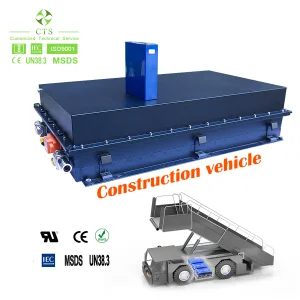
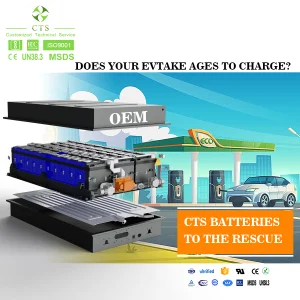
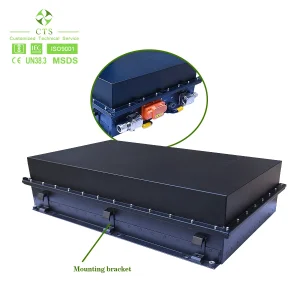
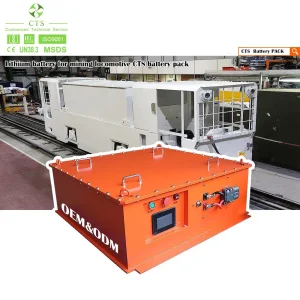
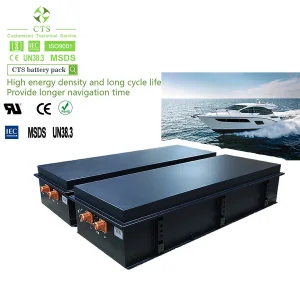
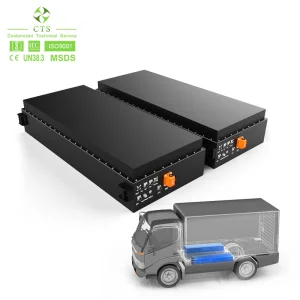
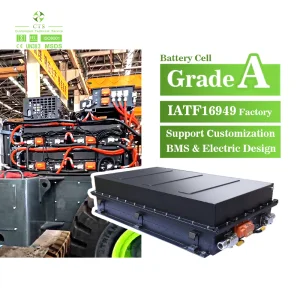
Exporting heavy-duty lithium-ion battery packs and thermal control components into Central Africa requires strict compliance with international maritime logistics and quality standards. As an ISO/TS 16949 certified enterprise, Zhejiang Rock Auto adheres to a structured zero-defect policy. Every radiator tube, cooling plate, and battery pack assembly undergoes multiple non-destructive testing phases before export.
These testing methodologies include:
For logistics to Equatorial Guinea, all products comply with UN38.3 shipping requirements for Dangerous Goods (Class 9 Lithium Batteries), ensuring safe transit from our state-of-the-art facilities to the Ports of Malabo and Bata.

Essential insights for procurement managers and fleet engineers operating in Central Africa.
 Rock Auto