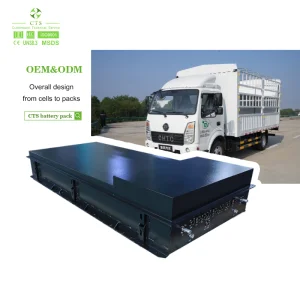
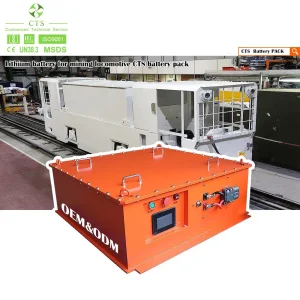
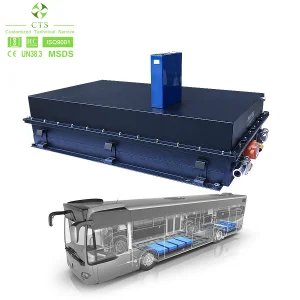
Engineered for high thermal load stability under tropical operating profiles in Benin and regional sub-Saharan corridors.
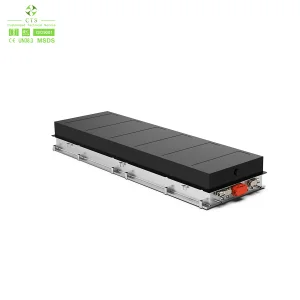
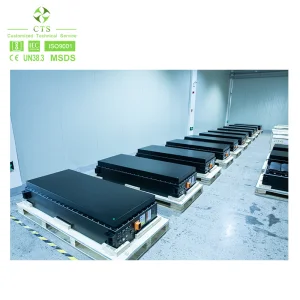
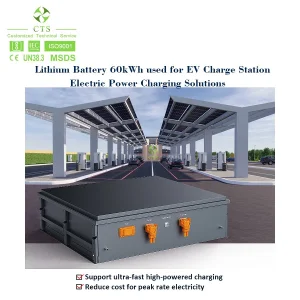
How extreme ambient heat in Benin dictates the necessity of active liquid cooling integration.
Benin, located in the tropical zone of West Africa, experiences average daily temperatures exceeding 35°C (95°F) during dry seasons, especially in northern regions such as Parakou and Kandi. For electric vehicles (EVs) utilizing Lithium-Iron Phosphate (LiFePO4) or Nickel Manganese Cobalt (NMC) chemistries, managing internal battery cell temperatures is the single most critical factor determining pack lifespan, safety, and operational range.
Uncontrolled battery heat causes rapid degradation, solid electrolyte interphase (SEI) growth, and elevated thermal runaway hazards. While traditional air-cooling methods fail to cope with high ambient humidity and heat in metropolitan Cotonou, indirect liquid cooling systems utilizing brazed aluminum microchannel tubes and thermal cold plates have emerged as the industry standard. They allow heat dissipation and maintain cell-to-cell temperature variations under 3°C, ensuring pack reliability.
Liquid cooling prevents EV battery packs from operating within critical heat zones (above 45°C), typical under West African solar loading.
Implementing active water-glycol circulation extends LFP cell degradation limits from 2,000 cycles to over 5,000 cycles under local driving profiles.
Worldwide, the electric vehicle industry is shifting rapidly from cylindrical air-cooled cells to prismatic, high-capacity cells layered with direct-contact liquid cooling plates. Driven by the demands of ultra-fast charging (150kW to 350kW DCFC), modern EVs run extreme currents that generate heat at quadratic rates. As a global manufacturer, we have observed a sharp spike in demand for extruded aluminum flat tubes and multi-port microchannel profiles. These form the primary heat dissipation channels in passenger cars, delivery trucks, and electric buses alike.

Established in 2007, Zhejiang Rock Auto Co., Ltd. has been a leading manufacturer, exporter, and supplier of high-performance auto cooling system components. Over the last 15+ years, we have specialized in the design and production of automotive cooling solutions, including radiator tubes, intercooler tubes, oil cooler tubes, alongside radiators, intercoolers, and oil coolers.
As the automotive landscape shifts to electrification, we have channeled our deep R&D expertise into fabricating aluminum battery cold plates, snake tubes, and microchannel cooling extrusions. We are proudly ISO/TS 16949 certified, employing advanced CNC machinery, automated brazing furnaces, and dedicated core assembly machines to deliver cost-effective and highly durable components worldwide.
Send Inquiry NowOur commitment to material innovations, fluid dynamics, and structured structural heat exchangers.
Multi-channel internal flow pathways formed via precise vacuum brazing processes, providing maximum heat transfer coefficients for high-voltage batteries.
Extruded multi-port mini aluminum tubes engineered to wrap around cylindrical and pouch cells, offering uniform thermal distribution throughout the pack.
Closed-loop active fluid circulation coupled with highly durable anti-corrosion inner coatings, offering zero-leakage security over operational lifetimes.
As electric vehicles scale across West Africa, battery cooling systems must adapt to varying qualities of road infrastructure and high dust density. Zhejiang Rock Auto designs heavy-duty aluminum components specifically optimized for long-term resistance to erosion and mechanical stress. Our research team focuses on the integration of graphene coatings on our standard battery plates, offering superior heat conductivity and ensuring high efficiency even under low-velocity coolant circulation patterns. This effectively reduces parasitic energy consumption from water pumps, saving precious battery range for electric vehicle fleets operating out of Benin.
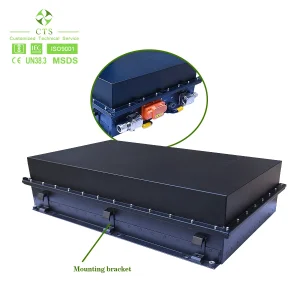
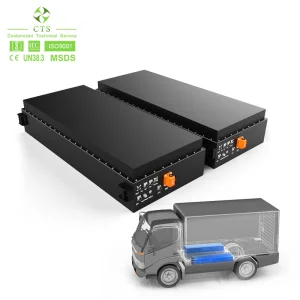
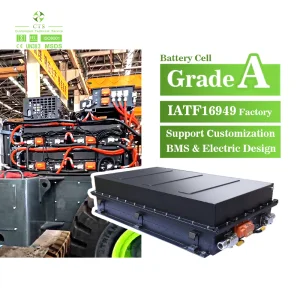
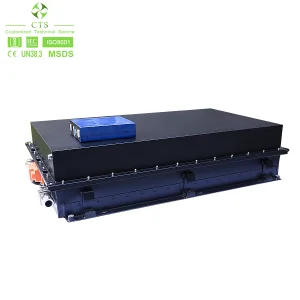
Browse our verified high-capacity battery solutions and thermal structures engineered to target West African logistics, municipal transport, and commercial operations.
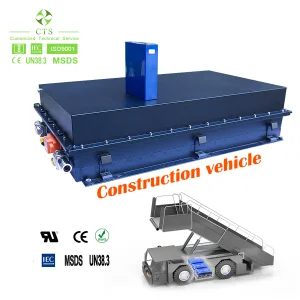
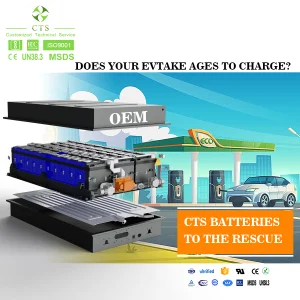
To operate effectively in high-growth zones like Benin, we balance technical performance with deep ecological stewardship. We ensure all aluminum raw materials are sourced responsibly and processed to limit waste metrics, guaranteeing green supply chains for global buyers.
To deliver high-quality and cost-effective cooling solutions that not only meet but exceed customer expectations, while fostering a culture of innovation and sustainability.
To be a global leader in the auto parts industry, recognized for our advanced technologies, outstanding customer service, and environmental stewardship.

Expert answers regarding integration, fluid choices, and maintenance of EV liquid cooling plates in Benin.
Forced air cooling relies on ambient air temperatures to cool the battery cells. When ambient temperatures reach 35°C to 40°C in Benin, the thermal delta between the air and the operating battery (which should ideally remain below 45°C) is too narrow to support efficient heat exchange. Consequently, air cooling fails to prevent heat buildup. Liquid cooling (water/glycol mixture) possesses a heat capacity over four times greater than air, enabling active and rapid heat extraction even in extreme tropical climates.
Our aluminum cooling plates and tubes undergo advanced chemical passivation and anti-corrosion inner lining processes. We utilize highly resistant alloy grades (such as Al3003) and apply specialized exterior coatings to prevent chemical wear caused by coastal humidity in southern Benin (Cotonou). Additionally, internally circulating coolants should contain high-quality corrosion inhibitors to protect the structural integrity of the brazed cooling channels.
Yes. Zhejiang Rock Auto designs modular cooling profiles. Our engineering team can supply tailored battery plates, snake tubes, and manifolds that integrate directly with standard prismatic modules. This facilitates retrofitting for municipal transit buses, delivery trucks, and electric agricultural haulers transitioning away from internal combustion engines.
The internal liquid loop is completely sealed and requires minimal maintenance beyond periodic coolant level checks and quality verification (typically every 100,000 km). However, the external heat exchanger (the radiator) must be kept clear of dust and sand, which are prevalent in Sahelian transport corridors. Regular cleaning of the radiator fins ensures maximum heat rejection performance.
Partner with Zhejiang Rock Auto Co., Ltd. for top-tier thermal management systems. Get custom configurations, technical whitepapers, and pricing structures optimized for your projects in Benin.
Send Inquiry Now Rock Auto