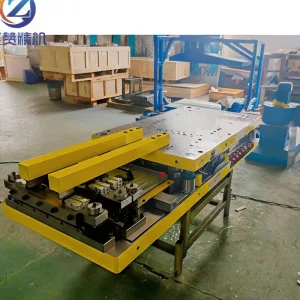
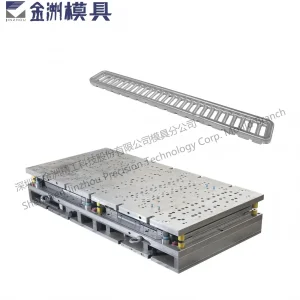
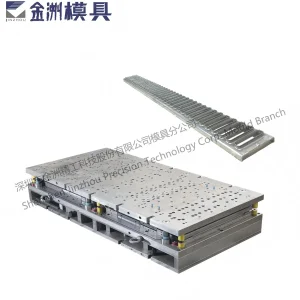
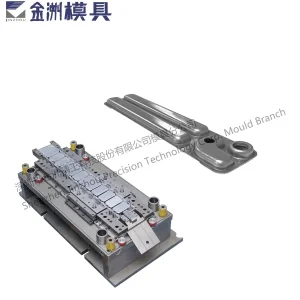
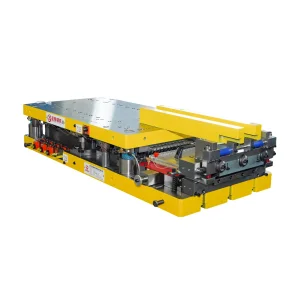
Basic Information
Material
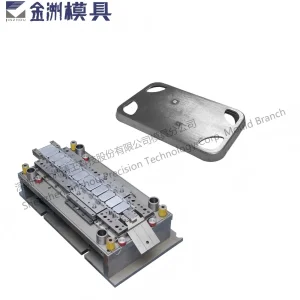
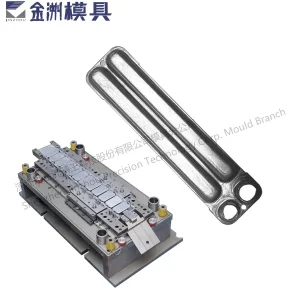
Hard Alloy and Steel Bonded Carbide
Processing Method
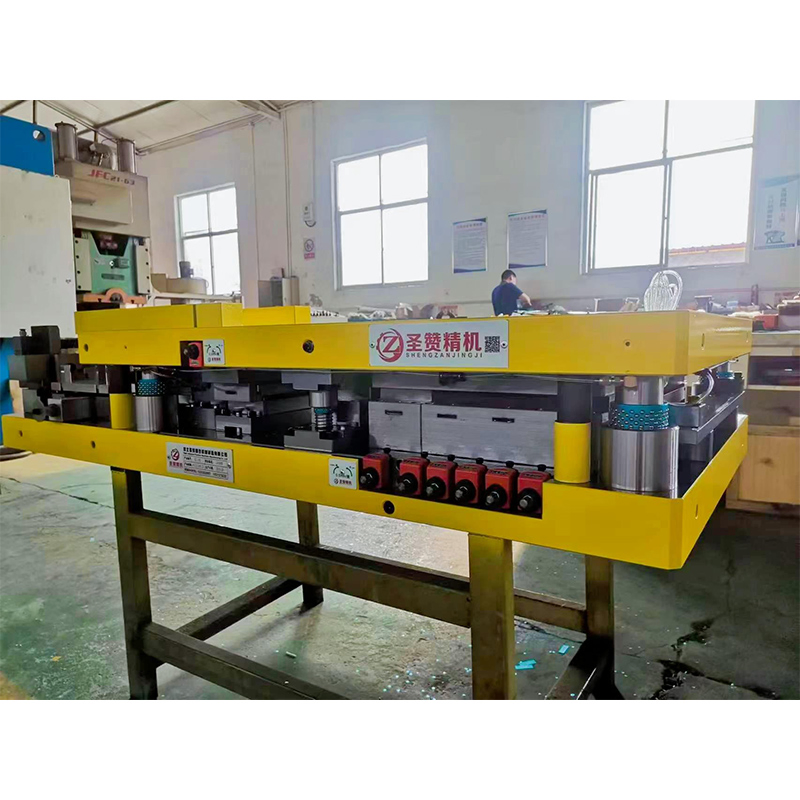
Punching and Shearing Mould
Process Combination
Progressive Die
Manufacturing Technology
Automation Technology
Driving Motor Type
Permanent Magnet
Mold Cavity Technology
CNC Milling
Milling Speed
Normal Speed
Parts Detection Method
Measurement of Three Axis NC
After-sales Service
One Year
Production Capacity
100 Sets/Year
Packaging & Delivery
Package Size
180.00cm * 80.00cm * 70.00cm
Lead Time
70 days (1 - 1 Sets); To be negotiated (> 1 Sets)
Package Type
Wooden Case Packaging
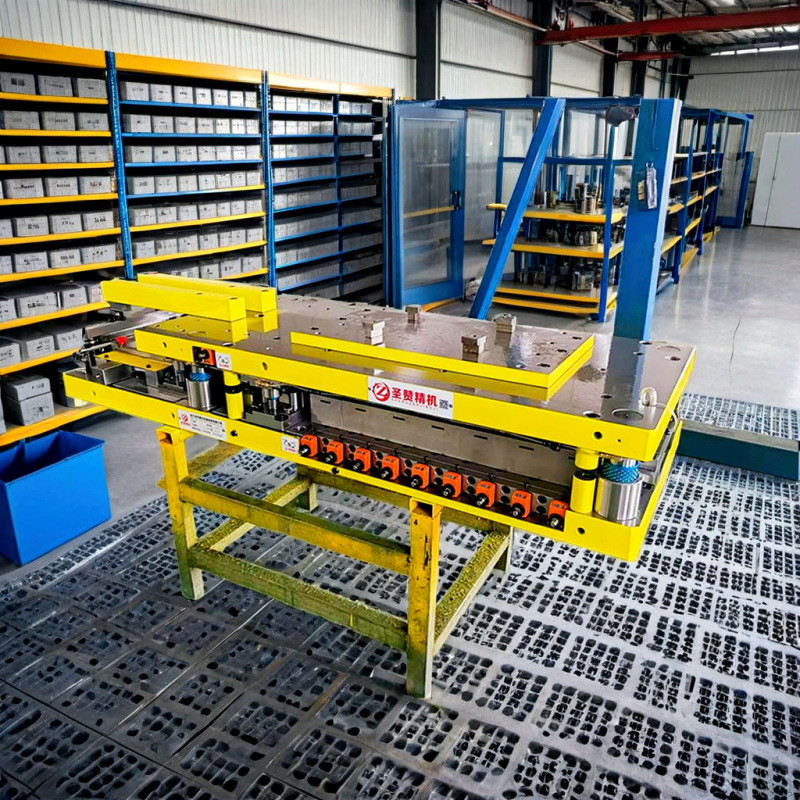
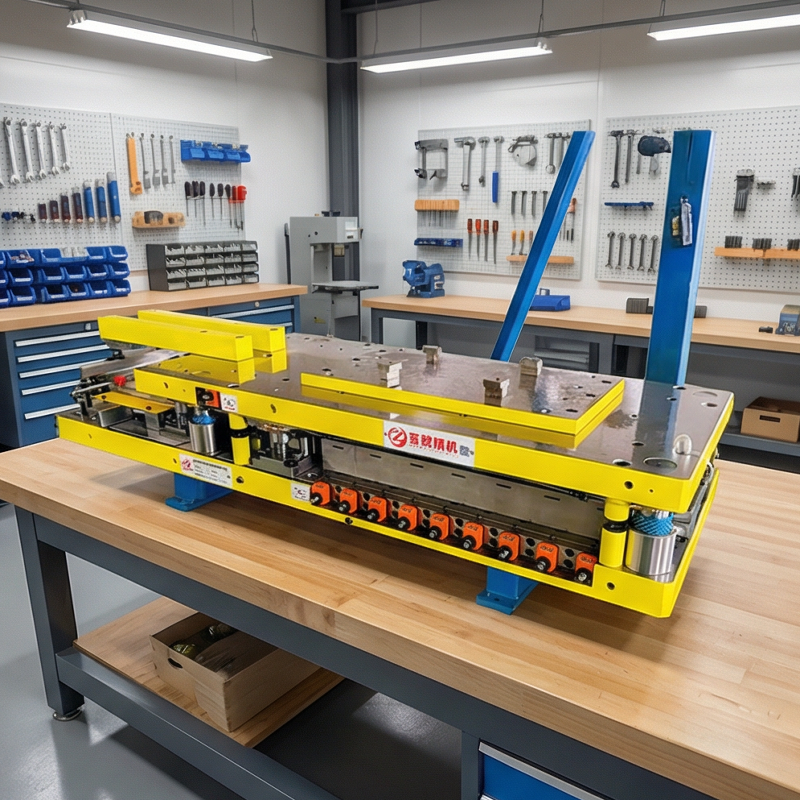
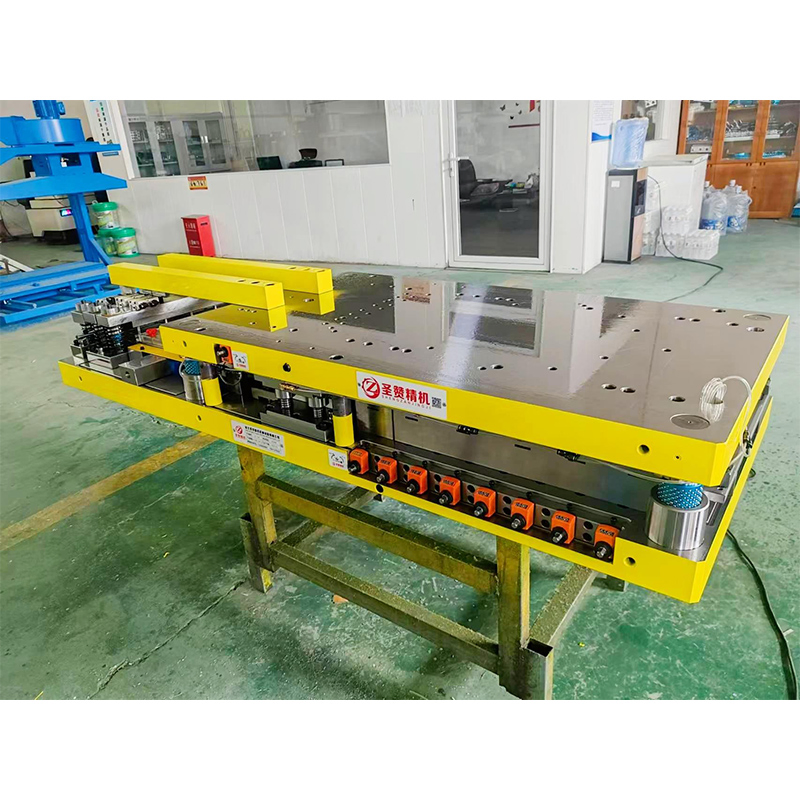
Product Description
⚙️
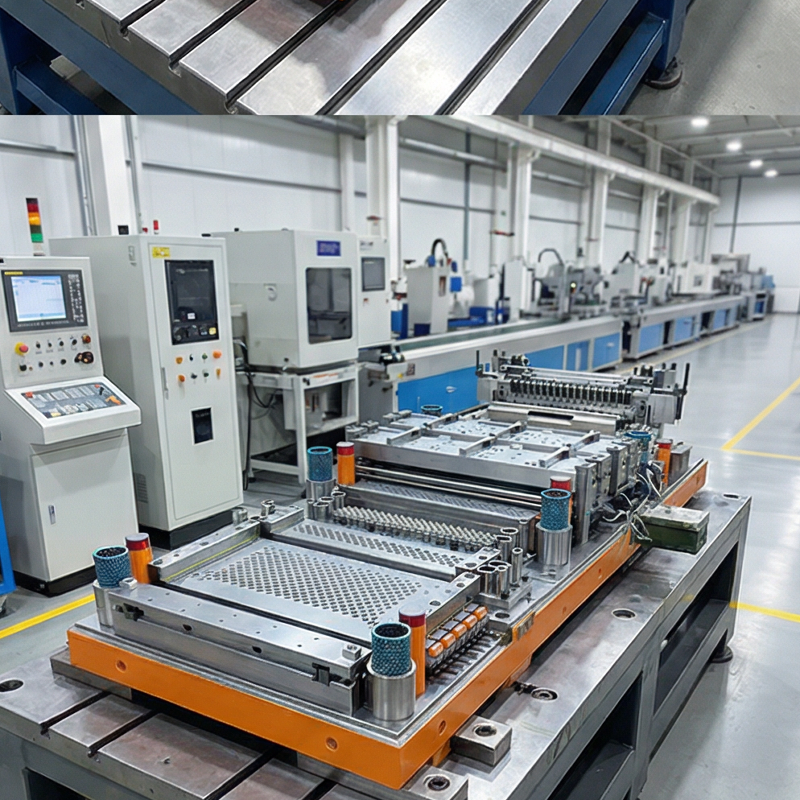
Precision Stamping: Equipped with a servo-driven stamping system, it can achieve a stamping frequency of up to 200-300 strokes per minute. The tolerance of fin tooth height and tooth thickness is controlled within ±0.008mm, ensuring the fit between the fins and the fan air duct.
🚀
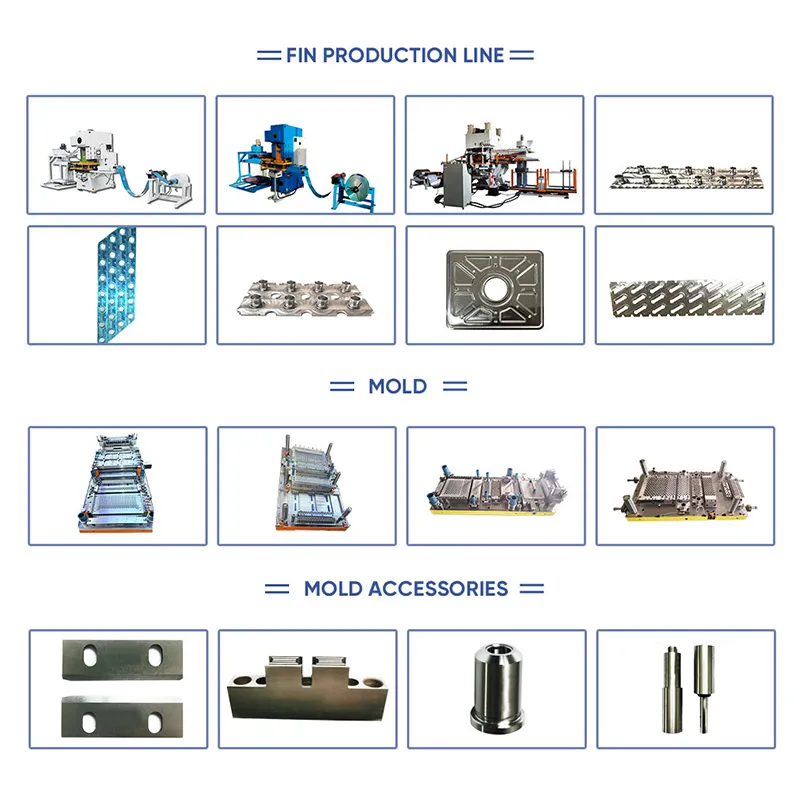
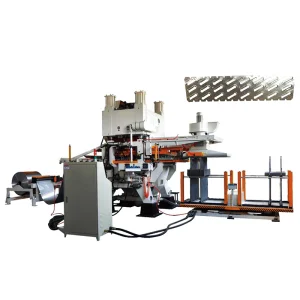
Full Automation: It integrates integrated modules for coil uncoiling, leveling, stamping, cutting and palletizing, reduces manual intervention, enables a single production line to operate continuously for 24 hours, and greatly improves production efficiency.
❄️
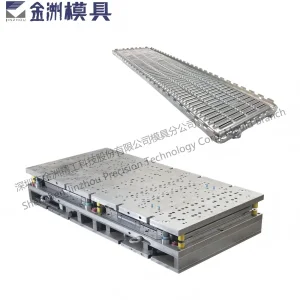
Enhanced Efficiency: Equipped with special molds for fin flanging and corrugation forming, the processed fins feature lower airflow resistance, which can improve the heat exchange efficiency of the fan by 8%-12% while reducing the operating noise.
Frequently Asked Questions
Q1: What materials are used for the stamping dies?
The dies are manufactured using high-quality Hard Alloy and Steel Bonded Carbide to ensure durability and long-term performance in high-speed operations.
Q2: What is the maximum stamping frequency of the system?
The servo-driven stamping system is capable of achieving a high frequency of 200 to 300 strokes per minute.
Q3: How precise is the manufacturing tolerance?
We maintain strict quality control with tolerances for fin tooth height and thickness held within ±0.008mm using Three Axis NC measurement.
Q4: Does the system support continuous operation?
Yes, the integrated automation modules allow the production line to operate continuously for 24 hours with minimal manual intervention.
Q5: How does this mold improve heat exchange efficiency?
By using special flanging and corrugation molds, airflow resistance is reduced, improving fan heat exchange efficiency by 8%-12%.
Q6: What are the typical lead times and packaging for transport?
Standard lead time is approximately 70 days for a single set. All products are securely packed in wooden cases for international transport safety.
 Rock Auto