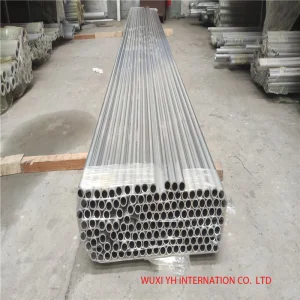
Product Overview
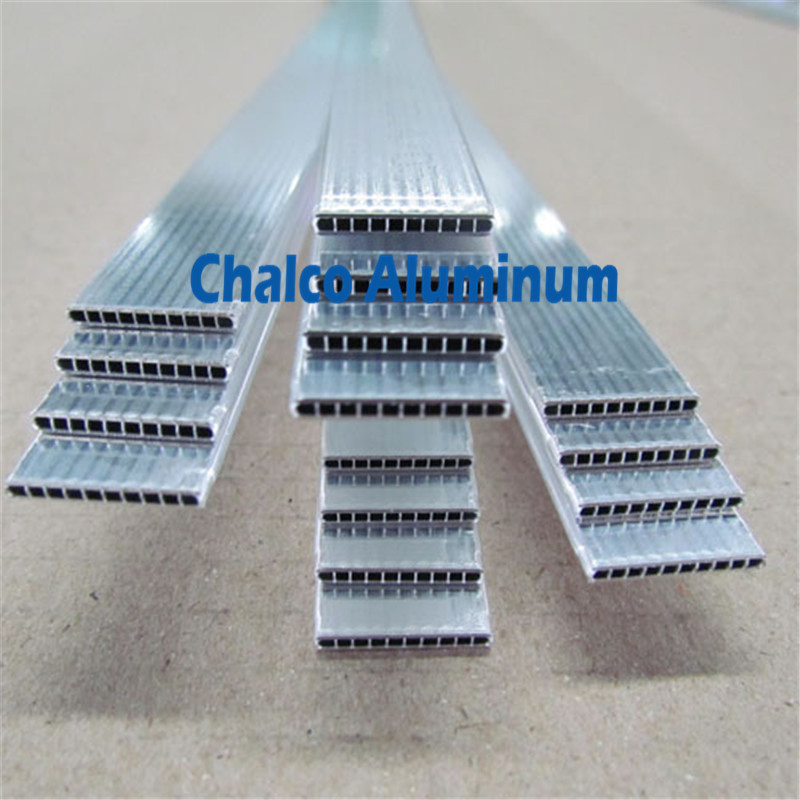
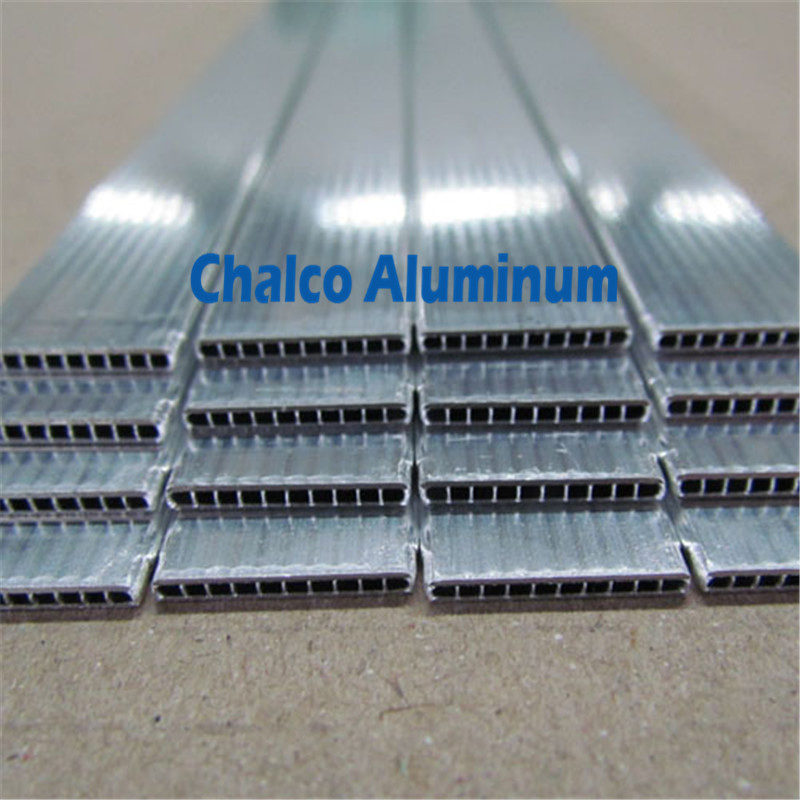
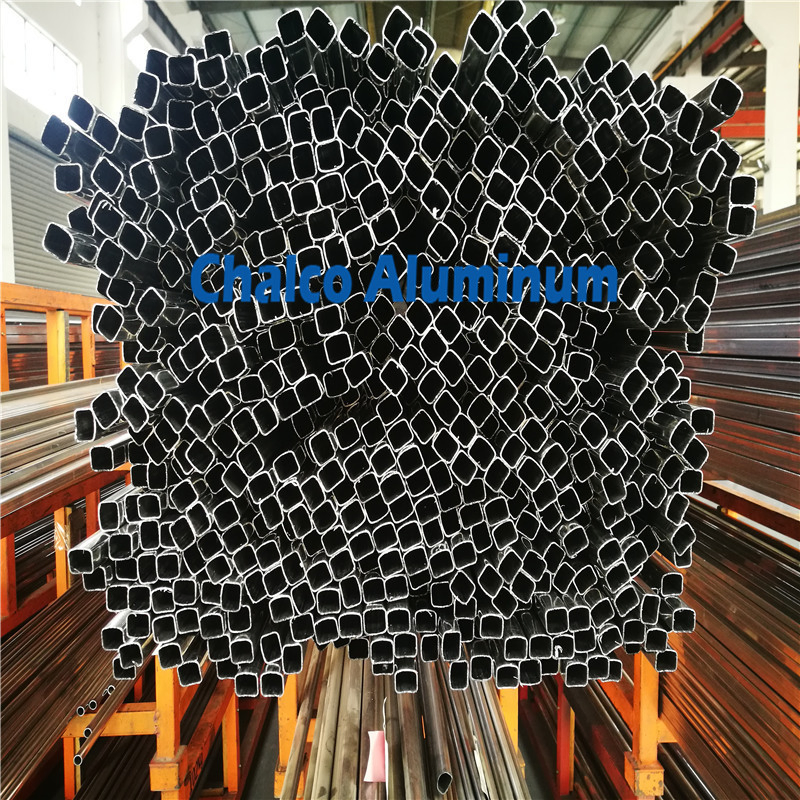
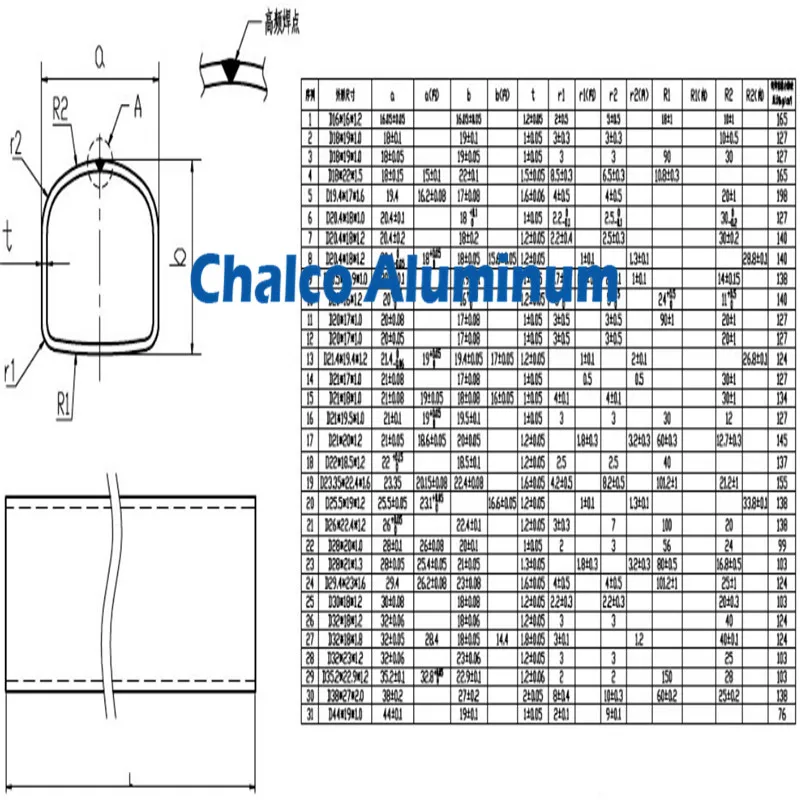
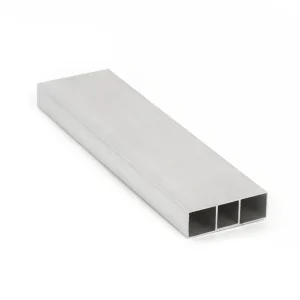
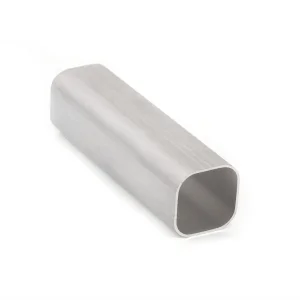
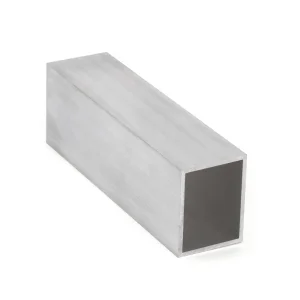
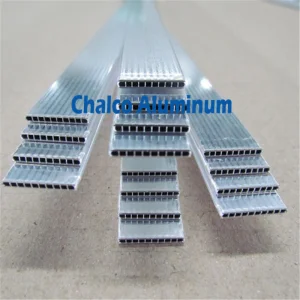
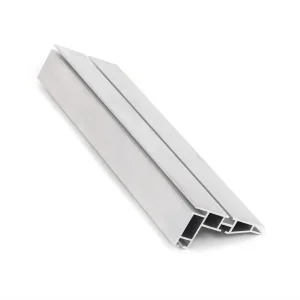
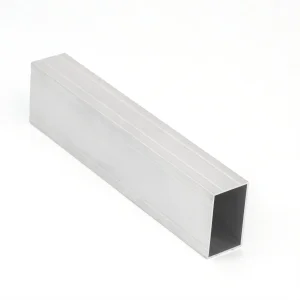
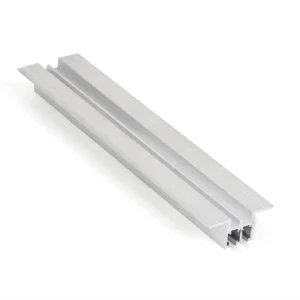
The Evaporator Material (D-Type Condenser header aluminium pipe) is a critical component in air conditioning systems. The D-Type structure increases the heat exchange area, which enhances evaporation temperature, boosts cooling capacity, and significantly reduces energy consumption.
1. Evaporator Material Types
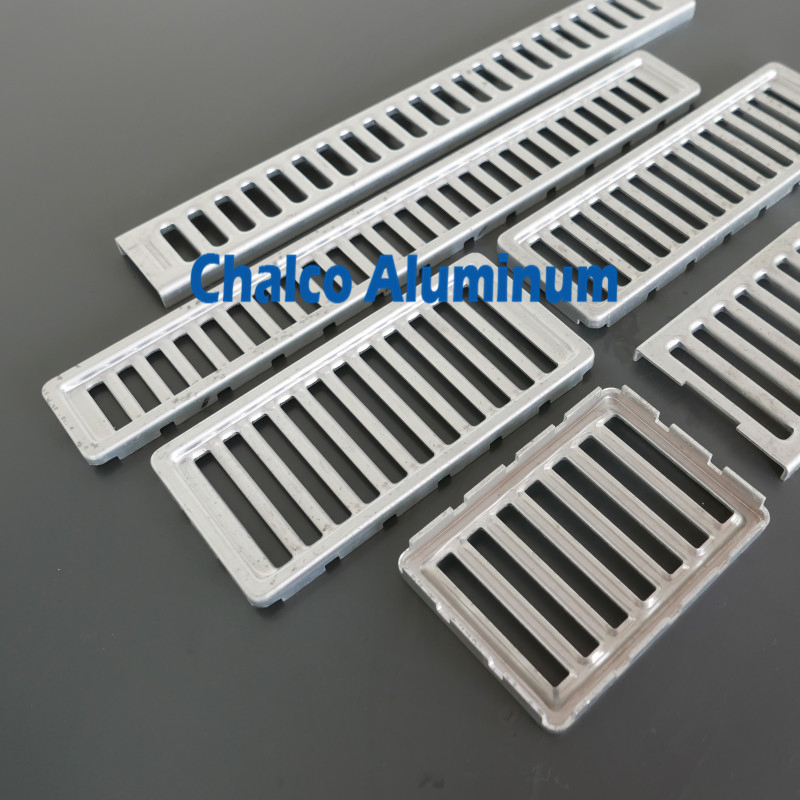
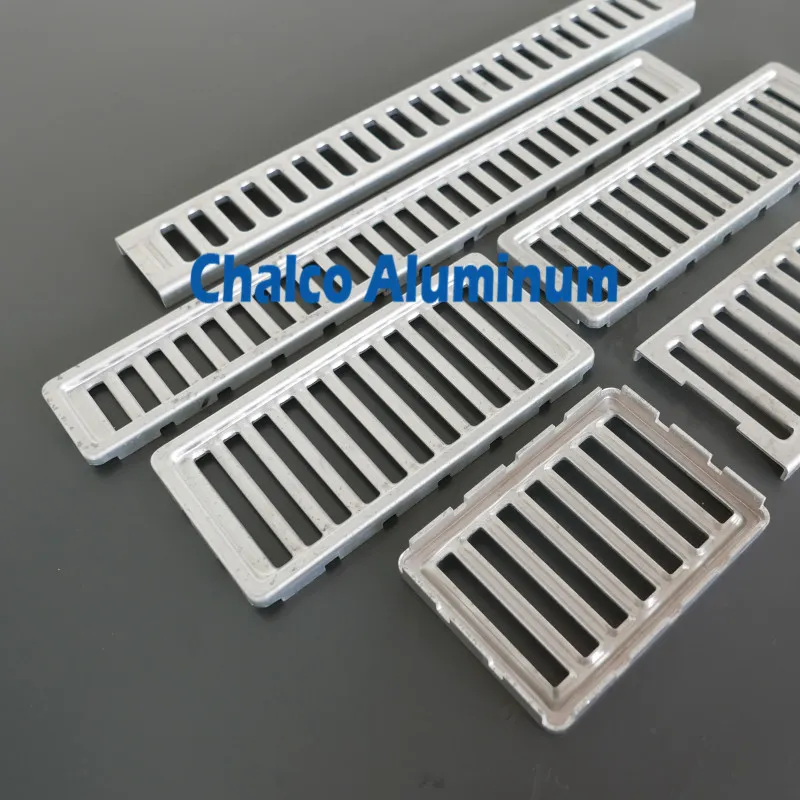
Punched Condenser Header Pipe
Cladding: Single/Double; Temper: H14; Thickness: 1-2.5mm
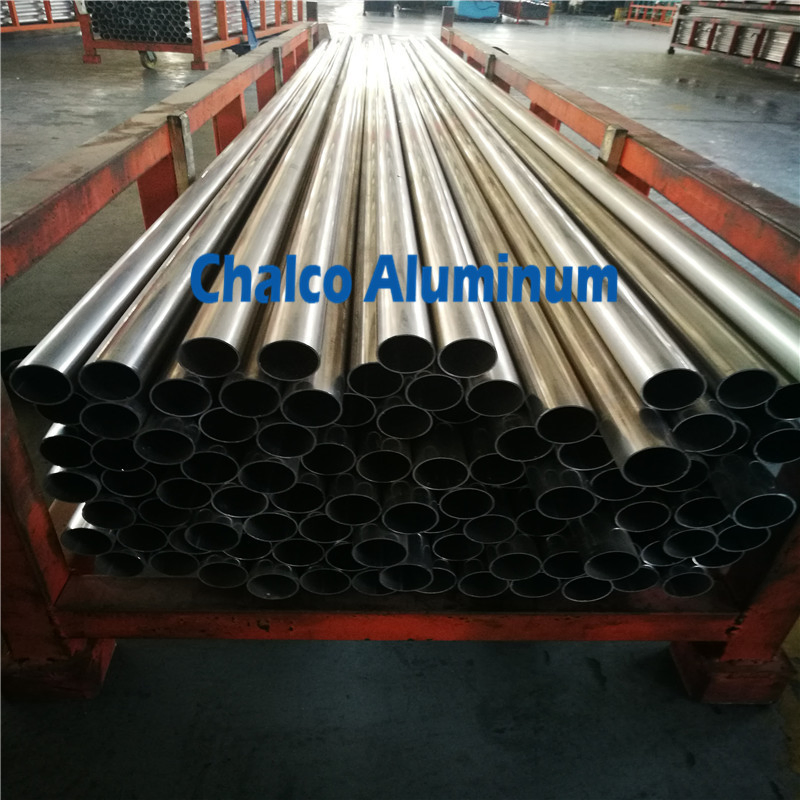
Condenser Header Pipe D-type
Core layer: 3003, 3305; Thickness: 1-2.5mm
2. Key Characteristics
Light weight & Easy welding
Superior corrosion resistance
Excellent Voltage Resistance
Standard ROHS compliance
High surface quality & recycling value
Small deviation range
3. Application & Usage
These materials are primarily utilized in automotive evaporators, heaters, parallel flow condensers, and heat exchanger cores for new energy vehicles, home appliance air conditioners, and construction machinery.
4. Technical Requirements
- Cutting section burr ≤ 0.1mm; Inner wall weld line height ≤ 0.2mm.
- Precision cutting section at 90° +/- 2°.
- Surfaces must be clean, free of oil, dust, aluminum chips, or scratches.
- Straightness maintained at ≤ 0.5mm/500mm.
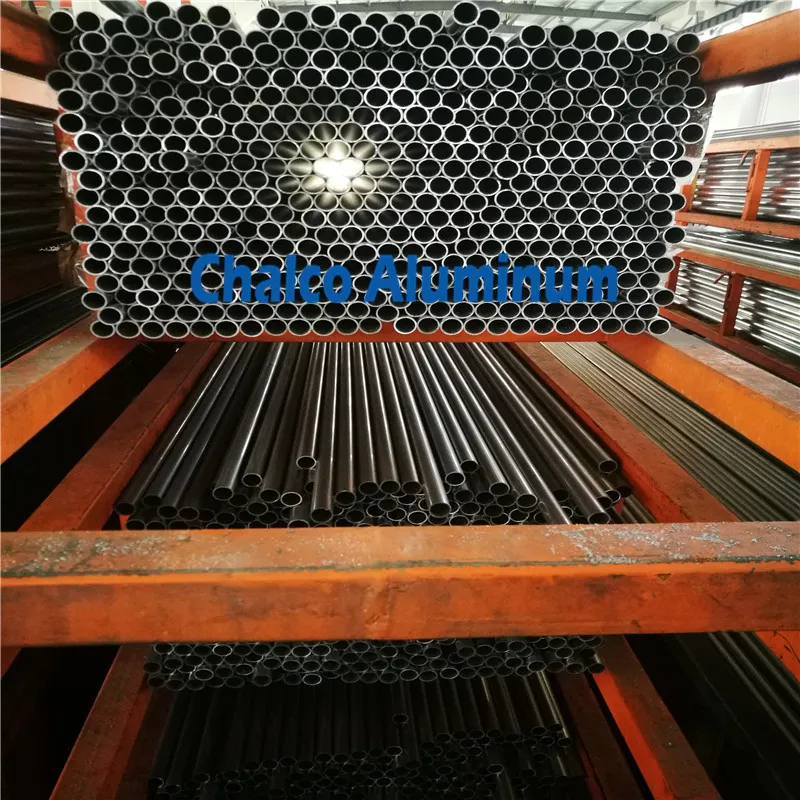
- Weld width ≤ 2mm and weld line height ≤ 0.08mm for round tubes.
Frequently Asked Questions
What are the main advantages of D-Type condenser header pipes?
The D-Type structure increases the heat exchange area, which improves evaporation efficiency and reduces overall energy consumption in air conditioning systems.
What materials are used for the cladding and core layers?
Common cladding layers include 4045, 4343, and 7072 anti-corrosion alloys. The core layers typically consist of 3003, 3305, or 6063 aluminum alloys.
Can the pipe dimensions and length be customized?
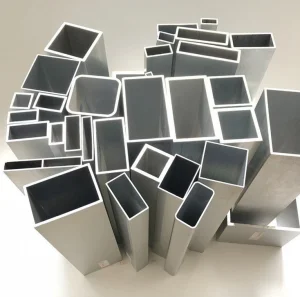
Yes, all specifications including wall thickness (1-3.0mm), outer diameter (9-61mm), and total length can be customized according to specific customer requirements.
What surface finishes are available for these aluminum tubes?
Options include mill finish, mechanical polishing, anodizing, and brushing, ensuring high surface quality and corrosion resistance.
What industries typically use these header pipes?
They are widely used in the automotive industry (including new energy vehicles), HVAC systems, oil coolers, construction machinery, and specialized heat exchangers.
How is the quality of the weld line controlled?
Through high-frequency welding and precision drawing, we ensure the weld width is ≤ 2mm and the weld line height is kept below 0.08mm to 0.2mm depending on the specific pipe type.
 Rock Auto