Explore our premium selection of radiator tubes, liquid cooling setups, vehicle air conditioners, and specialty heat exchange components manufactured to strict global standards.
Coolant reservoirs, alternatively referred to as coolant expansion tanks or degas bottles, have transformed from simple passive overflow vessels into sophisticated components of modern integrated thermal management architectures. In both high-performance internal combustion engines (ICEs) and cutting-edge electric vehicle (EV) platforms, the reservoir plays a critical role in system pressurization, air separation, fluid storage, and thermal compensation.
The primary engineering function of a coolant reservoir is to manage the volumetric expansion of coolant fluids as system temperatures rise. Standard ethylene glycol and water mixtures experience volumetric expansion of approximately 4-6% across typical operating temperatures from -40°C to 125°C. Without a properly calibrated expansion volume and pressure management control, thermal expansion would cause immediate system overpressure, causing structural failures in radiators, hose connections, or the engine block itself.
Maintains consistent static pressure levels to raise the boiling point of the coolant, enhancing overall heat-transfer coefficients and preventing pump cavitation.
Integrated internal baffles facilitate the separation of trapped air or gas bubbles, preventing hotspots and preserving the integrity of fluid pathways.
Serves as a physical mount point for electronic fluid level sensors, temperature sensors, and multi-channel system connection manifolds.
From a materials engineering perspective, modern reservoirs are produced using either blow-molded or injection-molded engineering plastics (predominantly glass-fiber reinforced polyamides like PA66-GF30) or structurally reinforced aluminum alloys. The transition to high-performance plastics has enabled complex geometries, integrated mounting brackets, and lower raw material weight. However, heavy-duty machinery, performance racing, and highly specialized industrial systems still rely on precision-fabricated aluminum tanks due to their mechanical resilience under excessive vibration, high operating temperatures, and cyclic fatigue stress.
Established in 2007, Zhejiang Rock Auto Co., Ltd. has been a leading manufacturer, exporter, and supplier of high-performance auto cooling system components. Over the past 15+ years, we have emerged as a trusted supplier of aluminum and composite thermal solutions. We specialize in producing a wide range of automotive cooling solutions, including radiator tubes, intercooler tubes, oil cooler tubes, as well as radiators, intercoolers, and oil coolers.
Our expansive industrial plant features advanced infrastructure, including state-of-the-art Brazing Furnaces, specialized Fin Machines, and automated Core Assembly Machines. Backed by our ISO/TS 16949 certification, we enforce rigorous quality management frameworks at every stage, from initial design through final welding, validation, and shipment.
Our solutions cater to multiple sectors, including automobile, heavy industry, shipbuilding, sugar processing, packaging, navigation, molds, and other demanding industrial applications requiring reliable thermal control systems.

The global coolant reservoir and expansion tank market is experiencing significant growth, driven by changing regulatory landscapes, increasing vehicle lifetimes, and shifting drivetrain platforms. Procurement managers face new challenges in sourcing high-performance cooling components that comply with strict global safety, environmental, and thermal efficiency guidelines.
The choice of materials is crucial for reliable coolant reservoir designs. Engineers must balance weight reduction, mechanical strength, and chemical resistance. In passenger cars, plastic reservoirs dominate due to their design flexibility and lower cost. In commercial vehicles, heavy machinery, and industrial systems, aluminum expansion tanks are preferred. High-grade aluminum alloys, such as 3003 and 5052, offer superior corrosion resistance and can withstand sustained pressure fluctuations without cracking or degradation.
Global automotive supply chains are subject to strict regulatory oversight, including REACH, RoHS, and ELV directives. Suppliers must provide complete material transparency, including chemical analyses of all polymers, elastomers, and structural alloys. Modern coolant reservoirs must be designed to withstand environmentally friendly coolants, such as organic acid technology (OAT) formulations, which can degrade lower-grade plastics and sealing materials over time.
In today's global market, supply chain reliability is just as important as product quality. Leading manufacturers, like Zhejiang Rock Auto, utilize advanced supply chain management tools to ensure on-time delivery and product traceability. By maintaining strategic inventory levels of raw materials and finished products, we help our partners minimize lead times, reduce stockout risks, and optimize their production planning.
Established Year
Years of Engineering
ISO/TS Certified
Pressure Tested
At Zhejiang Rock Auto, our commitment to excellence is backed by state-of-the-art manufacturing technologies and rigorous quality validation protocols. We utilize high-precision production machinery to meet the tight tolerances and quality standards required by global OEMs.
Our advanced CAB systems ensure uniform heat distribution and leak-free joints across all aluminum heat exchangers and specialized cooling manifolds.
Precision fin machines produce highly optimized geometries that maximize surface area contact and enhance thermal transfer rates.
Each unit undergoes automated pneumatic leak tests and dimensional verification using coordinate measuring machines (CMM) to ensure structural integrity.
Our comprehensive testing regime includes burst pressure verification, pressure pulsation cycling, and thermal shock testing. These evaluations ensure our coolant reservoirs can withstand extreme operating conditions, including temperature swings from -40°C to 135°C and cyclic pressure spikes up to 3.0 bar, without failure.
Modern vehicle architectures require specialized thermal management strategies. The shift toward battery electric vehicles (BEVs) and plug-in hybrid electric vehicles (PHEVs) has changed the requirements for coolant reservoirs and system integration.
Unlike traditional ICE platforms, EVs require separate, multi-circuit cooling loops to manage the temperature of the battery pack, power electronics, and electric motors. This complexity requires advanced coolant reservoirs with integrated multi-way valves, degas channels, and precision electronic sensors. Maintaining optimal battery temperatures (typically 15°C to 35°C) is critical for battery life, fast-charging safety, and vehicle range.
For heavy-duty trucks, construction equipment, and maritime vessels, cooling systems must operate under continuous high loads and harsh environmental conditions. In these applications, fabricated aluminum expansion tanks are the standard. They provide excellent structural durability, resist damage from high vibration, and can be customized with internal baffles to prevent coolant sloshing and aeration during steep-angle operations.
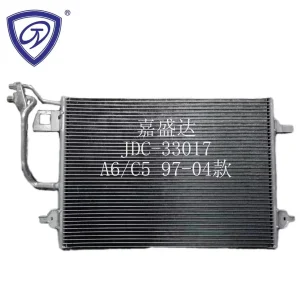
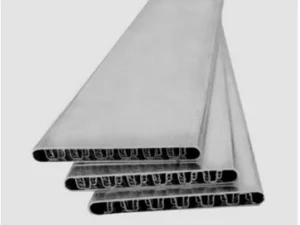
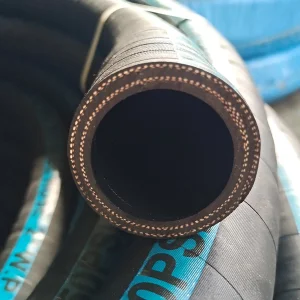
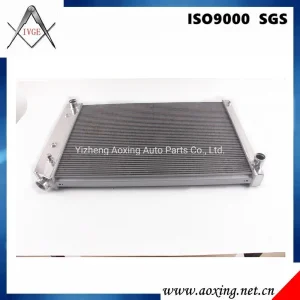
Browse our collection of OEM-quality finned tubes, automotive intercooler pipes, condensers, and heavy-duty radiator assemblies.
To deliver high-quality and cost-effective cooling solutions that not only meet but exceed customer expectations, while fostering a culture of innovation and sustainability.
To be a global leader in the auto parts industry, recognized for our advanced technologies, outstanding customer service, and environmental stewardship.

Below are the answers to the most common technical, logistical, and custom engineering questions asked by global B2B procurement partners.
 Rock Auto