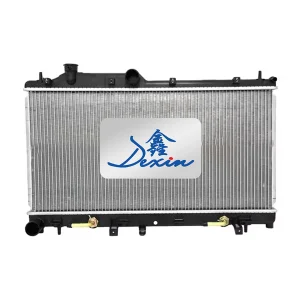
The global automotive industry is currently undergoing a massive paradigm shift, and Car Radiator Supports are at the heart of this structural evolution. Historically viewed as simple metal frames, today's radiator supports are highly engineered components critical for vehicle aerodynamics, weight reduction, and thermal management efficiency. As a leading manufacturer, we observe that the transition from internal combustion engines (ICE) to electric vehicles (EVs) has not diminished the demand for high-quality radiator supports; rather, it has transformed the technical requirements.
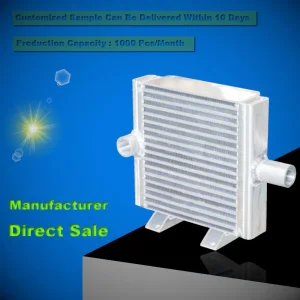
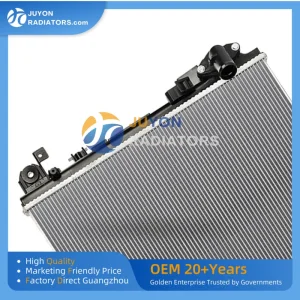
In the industrial sector, radiator supports are no longer just for passenger cars. They are essential in heavy-duty trucks, construction machinery, shipbuilding, and even large-scale data center cooling systems. The modern market demands lightweight materials like 6061 and 7075 aluminum alloys, which provide superior strength-to-weight ratios compared to traditional steel. This global shift is driven by strict fuel efficiency standards (such as CAFE in the USA and Euro 7 in Europe) and the need for EVs to maximize battery range through weight minimization.
The integration of aluminum-silicon alloys and high-strength polymers in radiator support assemblies to reduce front-end weight while maintaining crash safety standards.
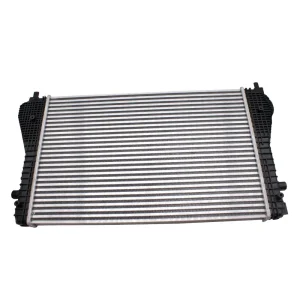
Developing supports that house multiple cooling modules—radiators, intercoolers, and condenser units—into a single, modular "cooling package" for easier assembly.
A move toward 100% recyclable aluminum components and low-emission vacuum brazing processes to meet global ESG targets.
As experts in the field, Zhejiang Rock Auto Co., Ltd. stays ahead of these trends by investing heavily in R&D. Our focus is on the precision engineering of aluminum radiator supports that can withstand extreme environmental conditions while offering the structural rigidity necessary for modern vehicle safety. The trend toward modularity allows our OEM partners to reduce their assembly line complexity, leading to significant cost savings in the long run.

Established in 2007, Zhejiang Rock Auto Co., Ltd. has grown from a specialized workshop into a global powerhouse for automotive cooling components. We are an ISO/TS 16949 certified manufacturer, ensuring that every radiator support, tube, and core that leaves our factory meets the world's most stringent automotive quality standards.
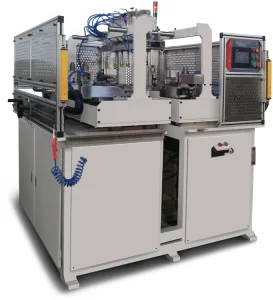
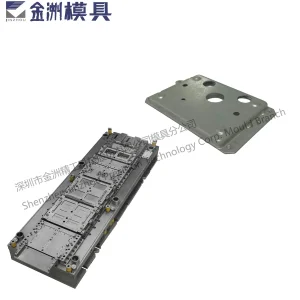
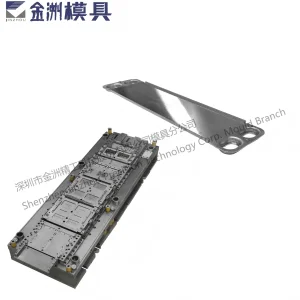
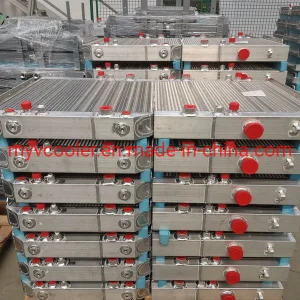
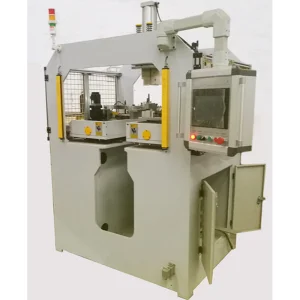
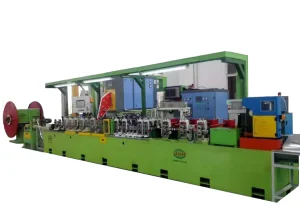
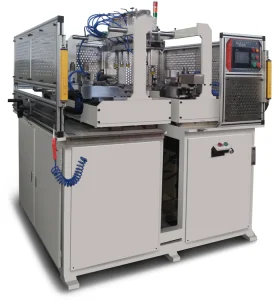
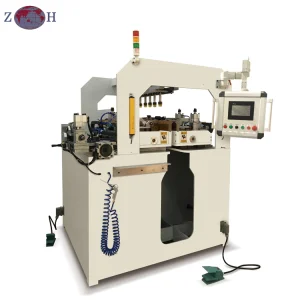
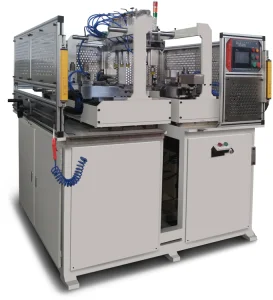
Our facility is equipped with cutting-edge technology, including Advanced Brazing Furnaces, High-Precision Fin Machines, and automated Core Assembly systems. This technical infrastructure allows us to serve diverse industries ranging from shipbuilding and heavy industry to high-speed navigation and specialized mold manufacturing.
Global procurement managers face unique challenges based on their region. In North America, there is a high demand for heavy-duty radiator supports for trucks and SUVs, requiring parts that can handle off-road vibration and heavy towing heat loads. In Europe, the focus is on precision-fit supports for compact, high-efficiency turbocharged vehicles where space is at a premium.
Our localized solutions include:
Located in the heart of China's automotive industrial zone, we have immediate access to high-quality raw materials and specialized logistics, reducing lead times significantly.
By combining large-scale production with precision automation, we offer OEM-quality parts at a fraction of the cost of domestic manufacturers in the West.
Our in-house R&D team can transform your CAD drawings or physical samples into production-ready prototypes in record time, offering true Custom OEM services.
To deliver high-quality and cost-effective cooling solutions that not only meet but exceed customer expectations, while fostering a culture of innovation and sustainability. We strive to be the invisible backbone of the world's most reliable vehicles.
To be a global leader in the auto parts industry, recognized for our advanced technologies, outstanding customer service, and environmental stewardship, setting the benchmark for the next generation of cooling system structural components.

 Rock Auto