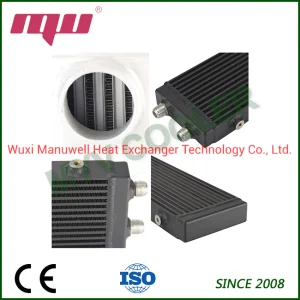
Explore our premium product portfolio designed for high efficiency, durability, and extreme automotive environments.
Understanding the transition in thermal dynamics, metallurgy, and performance benchmarks for automotive heat dissipation systems.
The global automotive industry is undergoing its most significant transition in a century. Under pressure from strict environmental mandates and demands for greater fuel efficiency, vehicular thermal management is no longer just about preventing engine overheating. Modern internal combustion engines (ICE), high-efficiency hybrid electric vehicles (HEV), and battery electric vehicles (BEV) require precise temperature control to maximize system performance, extend lifespan, and secure overall safety.
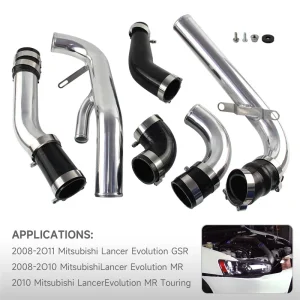
For internal combustion engines, charge air cooling through optimized intercooler pipes increases air density before combustion, boosting engine power and cutting emissions. In electric vehicles, thermal management systems regulate the temperature of lithium-ion batteries and power electronics. This makes energy-efficient, lightweight cooling fins and high-strength aluminum heat exchangers essential to modern engineering.

A trusted manufacturer, exporter, and supplier of high-performance auto cooling system components.

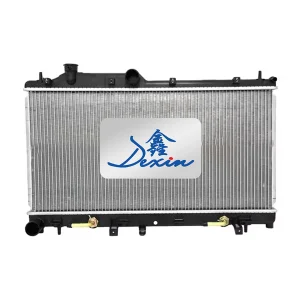
Established in 2007, Zhejiang Rock Auto Co., Ltd. has grown into a leading manufacturer, exporter, and supplier of high-performance auto cooling system components. Over more than 15 years of industry experience, we have built a reputation for designing and manufacturing high-quality, cost-effective, and innovative thermal systems. We specialize in producing radiator tubes, intercooler tubes, and oil cooler tubes, as well as complete radiators, intercoolers, and oil coolers.
Our state-of-the-art manufacturing facility is equipped with advanced industry technologies, including Brazing Furnaces, Fin Machines, and Core Assembly Machines. These tools allow us to meet the demanding requirements of automotive markets worldwide. As an ISO/TS 16949 certified company, we control quality at every step—from initial design to final leak testing.
Our research and development (R&D) unit is the center of our business. Through continuous testing and detailed research, our engineering team works to improve product efficiency and longevity. This commitment allows us to design high-performance custom components tailored to the specifications of global buyers.
To deliver high-quality and cost-effective cooling solutions that exceed customer expectations, while fostering a culture of innovation and sustainability.
To be a global leader in the auto parts industry, recognized for our advanced technologies, outstanding customer service, and environmental stewardship.
Built on innovation, integrity, sustainability, and absolute customer satisfaction. We maintain the highest standards of business ethics across all operations.
How our industrial clusters, automated processes, and localized vertical integration generate commercial value for international buyers.
China's Yangtze River Delta auto parts cluster provides unmatched efficiency in raw materials sourcing, stamping technology, and tool design. At Zhejiang Rock Auto Co., Ltd., we utilize this cluster to manage production speed, quality control, and cost structures effectively.
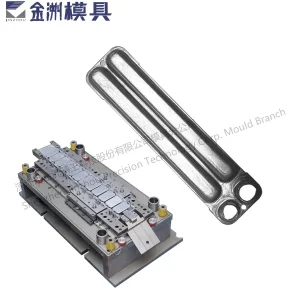
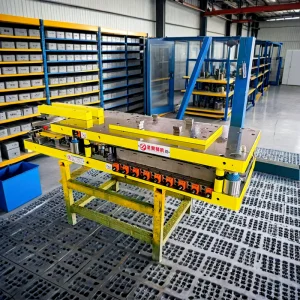
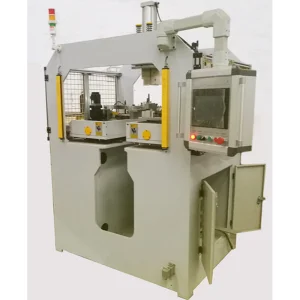
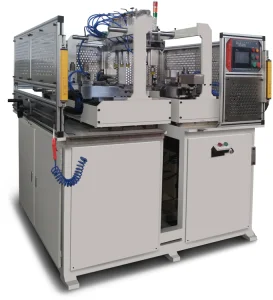
By using in-house engineering and specialized tools, like our Multi-Cavity Plate Fin Stamping Die and Automatic Aluminum Car Radiator Plastic Water Chamber Crimping Machine, we keep production tolerances low and reduce waste. This vertical integration allows us to quickly transition from prototype design to full-scale mass manufacturing, keeping lead times short for our clients.
Our Controlled Atmosphere Brazing (CAB) lines run continuously, ensuring reliable joints and consistent thermal performance across all our radiator and intercooler assemblies.
Global supply chain security is a top priority for international buyers. To manage risks, we maintain partnerships with tier-one raw material refiners, securing steady access to premium grade alloys like 4343, 3003, and 7072.
Our manufacturing workflow follows clean, structured steps:
| Thermal Component Type | Primary Material Alloys | Standard Wall Thickness | Testing Pressure Threshold | Key Applications |
|---|---|---|---|---|
| High-Performance Radiator Tubes | AA3003 / AA4343 Clad | 0.28 mm - 0.35 mm | ≥ 2.5 Bar (Burst ≥ 6.0 Bar) | Engine Cooling Radiators, Water Tanks |
| Charge Air Intercooler Tubes | AA3003 / AA7072 Clad | 1.20 mm - 2.00 mm | ≥ 4.0 Bar (Burst ≥ 10.0 Bar) | Turbocharged Charge Air Systems |
| AC Condenser Microchannel Tubes | AA1050 / AA3102 | 0.22 mm - 0.30 mm | ≥ 6.0 Bar (Burst ≥ 15.0 Bar) | R134a/R1234yf AC Systems |
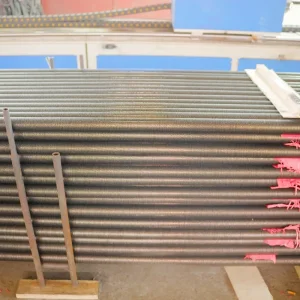
| Lightweight Finned Tubing | Al-Mn Alloys (Energy Saving) | 0.30 mm - 0.50 mm | Variable based on layout | Automotive Radiators, Compact Chillers |
How our thermal management solutions perform across diverse, challenging industrial operating environments.
Our cooling components are designed for high-vibration automotive environments. They help manage temperatures in high-performance engines, aftermarket turbo setups, and high-pressure AC loops.
We build robust hydraulic oil cooler cores, finned radiator assemblies, and heavy-duty charge coolers designed to withstand the dusty, continuous operation of mining and earthmoving equipment.
Our marine heat exchangers use corrosion-resistant alloys that prevent salt spray damage, maintaining stable cooling and operation in offshore and demanding navigation settings.
We supply specialized finned tubes and custom cooling loops for process environments, including sugar refining, industrial packaging lines, and chemical processing facilities.
Our in-house tool design shop develops stamping dies for high-volume structural components, helping manufacturers maintain fast and consistent production cycles.
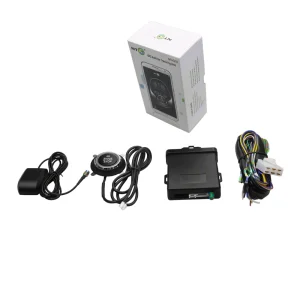
Our cooling solutions manage temperatures in auxiliary systems, such as remote vehicle systems and GPS tracking enclosures, ensuring reliability in varying operating conditions.
Analyzing new shifts in metallurgical chemistry, electric vehicle cooling, and sustainability standards.
Electric vehicle batteries perform best within a narrow temperature range (typically 15°C to 35°C). Operating outside this range can reduce charging efficiency and shorten battery life. Our R&D team works to optimize microchannel liquid cold plates that sit beneath battery modules to maintain even temperature distribution.
By refining our aluminum extrusion and plate-fin structures, we increase internal convective heat transfer coefficients while keeping fluid pressure drop low. This helps reduce pump load and energy use across the cooling system.
We are focused on reducing weight across our product line. By using high-strength aluminum alloys, like the 4343/3003/7072 cladding system, we can produce thinner radiator tubes (down to 0.28 mm) without losing burst pressure resistance.
Our commitment to sustainability guides our manufacturing process. We recycle aluminum scrap internally, use energy-efficient brazing ovens, and work to reduce the environmental footprint of our factory operations.
Modern cabin climate control systems must balance passenger comfort with overall energy efficiency. To support this, we manufacture compact AC Condensers that provide efficient refrigerant phase-change performance in a smaller physical footprint.
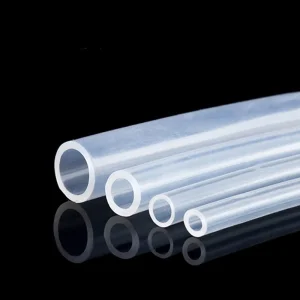
We also produce high-quality, flexible silicone tubing that handles broad temperature ranges without degrading. These tubes are designed to fit into tight modern engine bays while maintaining secure fluid seals over time.
Technical answers about alloy selection, quality control, manufacturing standards, and customized orders.
Complete assembly lines, auxiliary components, and production machinery for global automotive distribution.
 Rock Auto