Engineered thermal systems and components designed to support modern high-efficiency cooling architectures.
In the current technological landscape, thermal management has transitioned from a secondary housing concern to a critical performance limiting factor. From automotive drivetrains to renewable energy inverters, optimizing heat dissipation directly scales operational efficiency, reliability, and lifespan.
As one of the world's most versatile, lightweight, and thermally conductive metals, aluminum remains the foundational substrate for heat sinks, heat exchangers, and cooling tubes. Selecting the right aluminum heat sink factory and exporter is a major strategic decision for global engineering procurement departments.
This industry document outlines the capabilities, metallurgy parameters, manufacturing processes, and structural sourcing frameworks that define high-tier manufacturers, helping decision-makers secure highly reliable components.

Providing specialized automotive and industrial cooling system components for global markets since 2007.
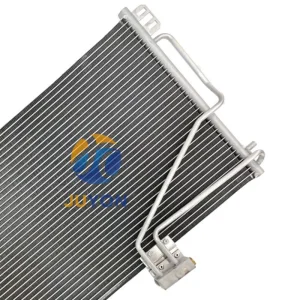
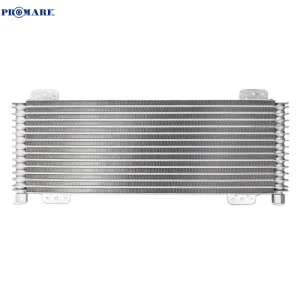
Established in 2007, Zhejiang Rock Auto Co., Ltd. has established itself as a leading manufacturer, exporter, and supplier of high-performance auto cooling system components. Our core focus centers on the production of a wide range of automotive cooling solutions, including radiator tubes, intercooler tubes, oil cooler tubes, as well as completed radiators, intercoolers, and oil coolers.
With more than 15 years of industry experience, Zhejiang Rock Auto is recognized for the design and manufacturing of aluminum-based cooling products. We deliver high-quality, cost-effective, and innovative solutions that meet the precise demands of our global customers. Our specialized components are widely used across diverse sectors including automobile, heavy industry, shipbuilding, sugar processing, packaging, navigation, molds, and other custom applications.
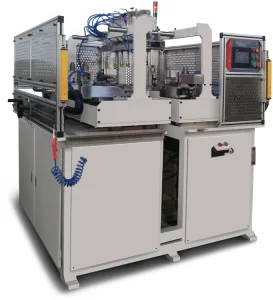
Our commitment to quality is backed by our ISO/TS 16949 certification. Our modern manufacturing facility is equipped with specialized equipment including automated Brazing Furnaces, Fin Machines, and Core Assembly Machines. These resources allow our skilled engineering teams to oversee the entire production cycle, from initial CAD modeling to pressure testing and final quality inspections.
Our Mission: To deliver high-quality and cost-effective cooling solutions that exceed customer expectations, while fostering a culture of innovation and sustainability.
Our Vision: To be a global leader in the auto parts industry, recognized for our advanced technologies, customer service, and environmental stewardship.
Years of Industrial Expertise
16949 Certified Quality Control
Leak Tested Production
Premium Clad Alloys Utilized
Why global OEMs rely on Chinese industrial clusters for scaling aluminum heat sink procurement.
From primary bauxite smelting to precision extrusion, CNC machining, and controlled atmosphere brazing (CAB), China's localized manufacturing ecosystems minimize internal logistics costs and accelerate product development cycles.
Chinese factories are at the forefront of high-frequency welded composite tubing, utilizing advanced multi-layer claddings (such as 4343/3003/7072) to offer superior corrosion resistance and optimal thermal performance.
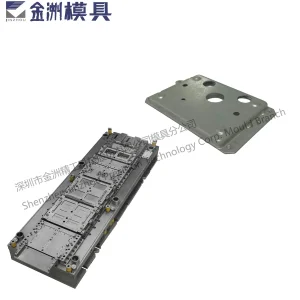
With massive investments in tooling, factories can deploy high-stroke progressive dies capable of run counts exceeding 100 million strokes, maintaining dimensional stability for complex fin and header geometries.
Understanding the composition parameters that determine heat transfer rates and structural reliability.
| Alloy Series | Typical Composition | Tensile Strength (MPa) | Thermal Conductivity (W/m·K) | Key Industrial Applications |
|---|---|---|---|---|
| AA3003 | Al-Mn Alloys | 110 - 190 | 160 - 190 | Main structural alloy for radiator cores, radiator tanks, and heat exchanger tubes. Excellent formability. |
| AA4343 | Al-Si (Clad Layer) | - (Used as cladding) | 150 - 170 | Silicon-rich brazing alloy layer. Melts at a lower temperature to form joint seals in CAB furnaces. |
| AA7072 | Al-Zn (Clad Layer) | - (Sacrificial anode) | 200 - 220 | Protective sacrificial cladding layer. Prevents pitting corrosion in underlying radiator tube structures. |
| AA6063 | Al-Mg-Si | 150 - 240 | 200 - 215 | Extruded profiles, heavy-duty electronics heat sinks, and structural brackets. Good surface finish properties. |
Modern automotive radiators rely on composite structures. Typically, a core of AA3003 provides mechanical rigidity and pressure retention, while an outer layer of AA4343 acts as the brazing filler metal. When processed through a Controlled Atmosphere Brazing (CAB) furnace, the cladding layer melts, creating hermetic joints at the contact points with the cooling fins without melting the core tube. Adding an inner sacrificial cladding of AA7072 helps direct galvanic corrosion outward, significantly extending the operational life of the radiator core.
Tailoring thermal systems to the specific requirements of global industries.
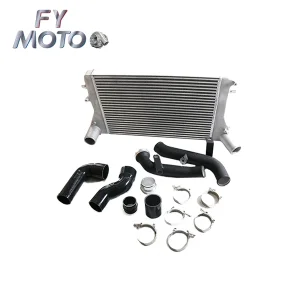
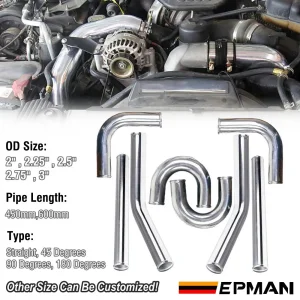
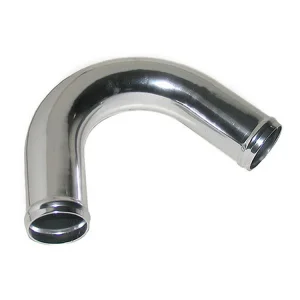
High-frequency welded radiator tubes, intercooler pipe elbows, and condensed fin surfaces support internal combustion engines (ICE) and hybrid vehicles, ensuring optimal engine and transmission cooling.
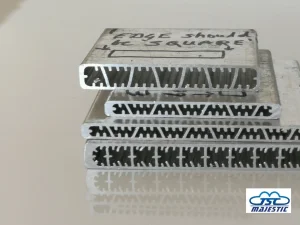
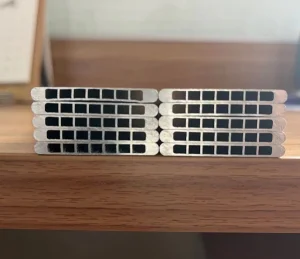
Thin-walled multi-port extrusions (harmonica tubes) serve as cooling plates for lithium battery packs. Precision and uniform heat distribution help prevent thermal runaway.
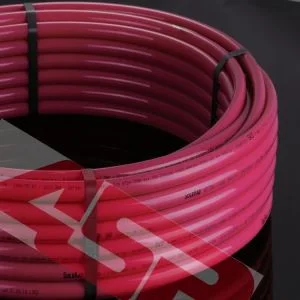
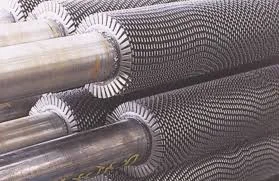
5-layer Pex-Al-Pex tubes, H-type finned tubes, and large charge air coolers provide stable heat exchange in commercial HVAC, district heating networks, and heavy machinery hydraulics.
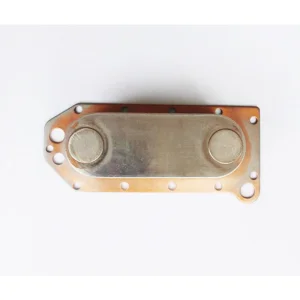
Generator ignition systems, oil cooler cores, and heavy-duty gas engine radiators (e.g., Jichai electronic control systems) maintain operational temperatures under high-load power generation.
A guide for QA departments and procurement managers when validating potential aluminum heat sink factories.

International sourcing requires rigorous evaluation metrics that extend beyond initial unit pricing. Global buyers should prioritize factories that demonstrate control over the following operational steps:
Emerging shifts influencing the design and application of aluminum heat sinks.
Automotive and aerospace sectors continue to reduce structural weight to cut emissions and improve efficiency. Replacing heavy copper-brass cooling systems with thin-walled aluminum components helps achieve significant weight reductions.
Transitioning from standard flat tubes to microchannel designs improves the heat transfer coefficient while reducing the required refrigerant charge, supporting more compact heat exchanger designs.
Modern factories utilize automated robotic assembly for fin loading and core stacking, helping to reduce manual handling errors and maintain consistent core alignment prior to brazing.
Technical guidance addressing common procurement and engineering queries.
AA3003 is an aluminum-manganese alloy that offers a balance of mechanical strength, corrosion resistance, and ductility. It forms easily into radiator flat tubes and headers, and it maintains its structural integrity at temperatures close to standard brazing windows.
ISO/TS 16949 is an international quality standard developed for the automotive supply chain. It requires factories to implement strict process controls, prevent defects, minimize waste, and maintain comprehensive traceability throughout the manufacturing process.
By applying a thin layer of zinc-rich AA7072 alloy to the inner surface of the tubes, the cladding acts as a sacrificial anode. Corrosion attacks this outer layer first instead of pitting through the main structural tube wall, preventing premature leaks.
High-quality carbide progressive dies used for pressing fins can achieve lifetimes exceeding 100 million strokes. Regular sharpening and maintenance are scheduled at set intervals (typically every 1 to 2 million strokes) to maintain clean edges and accurate tolerances.
Our complete product range of high-frequency welded tubes, intercooler components, and specialized automotive dies.
 Rock Auto