Precision-engineered heat exchangers, tubing solutions, and powertrain control integrations
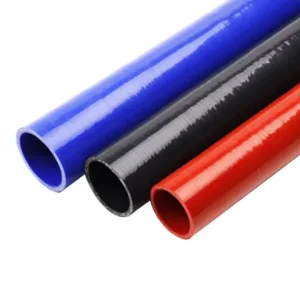
Customized Rubber Tube 4-Ply Standard Intake Intercooler Turbo Radiator Automotive Connector
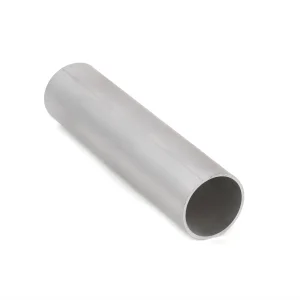
Flexible Aluminum Tubing for Custom Hydraulic Robotics Applications
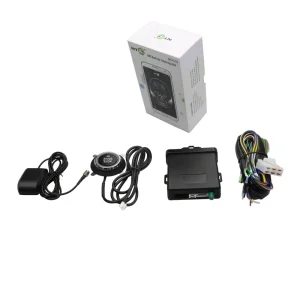
Nto Ntg10 GPS Engine Start and Stop System with APP and Smart Key
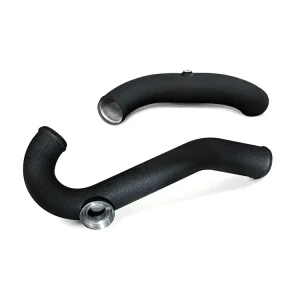
High Performance Diesel Aluminum Turbo Intercooler Charge Pipe
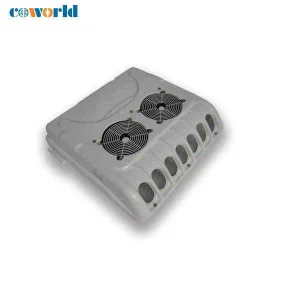
Roof Mounted Integrated Engine Power Truck Machinery Cabin Air Conditioning System
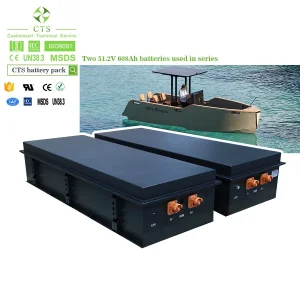
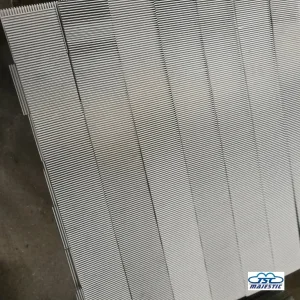
High-Performance Aluminum Pipe of Intercooler in Heat Exchanger Factory Direct 4343/3003/7072
Modern internal combustion engines, heavy-duty commercial powertrains, and electrical energy storage systems demand highly optimized thermal management strategies. As automotive aerodynamics evolve and under-hood footprints contract, the performance requirements placed on automotive radiators have escalated dramatically. Efficient heat dissipation is no longer just a function of surface area—it is a discipline of advanced fluid mechanics, alloy design, and automated manufacturing processes.
"Zhejiang Rock Auto Co., Ltd., established in 2007, operates at the absolute frontier of aluminum heat exchanger manufacturing, combining advanced material alloys (such as cladded 4343, 3003, and 7072) with high-vacuum brazing and automation technology."
By shifting from legacy copper-brass cores to lightweight cladded aluminum architectures, modern design factories can drastically reduce vehicle weight while offering superior structural durability. Using Controlled Atmosphere Brazing (CAB) and high-frequency tube welding, our design engineers create highly customizable heat dissipation patterns that withstand severe vibration, pressure cycles, and corrosive environments.

Zhejiang Rock Auto Co., Ltd. is ISO/TS 16949 certified, specializing in the design, optimization, and production of aluminum-based cooling systems.
Why Tier-1 automotive procurement agents rely on our integrated design and extrusion facility
Through careful selection of multi-alloy clad layers (combining 4343, 3003, and 7072 structural alloys), we build core resistance to internal pitting and external atmospheric salt spray. This extends radiator service life by up to 200% under demanding operational conditions.
Our facility runs multiple state-of-the-art CAB Brazing Furnaces. Continuous nitrogen atmosphere processing guarantees precise, flux-controlled joints between fins and tubes, eliminating microscopic voids and structural cracking.
Using structural fin design software, we optimize louver angle, fin pitch, and tube dimensions to maximize heat transfer coefficient while keeping airside pressure drop minimal. This drives down cooling fan parasitic energy draw.
To design high-efficiency radiators, engineers must balance thermal dynamics with structural durability. In standard operating environments, standard aluminum (like Al-1100) lacks the tensile strength to manage the high pressure loads typical of modern turbocharged diesel intercoolers and high-pressure oil cooling loops. Zhejiang Rock Auto addresses this through complex, composite cladding architectures.
| Alloy Designation | Primary Alloying Elements | Main Thermal Application | Tensile Strength (MPa) | Corrosion Resistance Index |
|---|---|---|---|---|
| Alloy 3003 | Manganese (Mn) 1.2%, Copper (Cu) 0.12% | Core radiator tubes and main structural fins | 110 - 150 | High (General atmospheric) |
| Alloy 4343 | Silicon (Si) 7.5% | Cladding material for CAB brazing skin | 130 - 170 | Excellent (Protective sacrificial layer) |
| Alloy 7072 | Zinc (Zn) 1.0% | Inner cladding for high-corrosive multi-port tubes | 150 - 190 | Superior (Prevents pitting of 3003 core) |
| Composite Clad | Multilayer combinations (4343 / 3003 / 7072) | OEM high-performance heavy truck & EV radiators | 180 - 240 | Exceptional (Anti-salt spray & high pressure) |
During the Controlled Atmosphere Brazing process, the silicon-rich 4343 cladding layer melts at a lower temperature than the 3003 core alloy. This allows the clad material to flow by capillary action into the contact areas between the folded cooling fins and the flat radiator tubes. When cooled, it forms a monolithic metallic bond. If corrosion occurs, the zinc-infused 7072 layer acts as a sacrificial anode, steering corrosion laterally across the surface rather than allowing it to puncture the tube wall, effectively preventing catastrophic fluid loss.

Zhejiang Rock Auto's design lab incorporates automated core builders and high-precision fin machines to secure zero-defect production.
The global shift toward electrification is rewriting the design criteria for automotive thermal management. While conventional combustion engines rely on standard radiator blocks to reject heat, battery electric vehicles (BEVs) require multi-loop cooling systems. These networks must manage battery cooling plates, traction motor jackets, and passenger cabin climate systems simultaneously.
Zhejiang Rock Auto has met this transition by integrating liquid cooling components, high-density intercooler charge pipes, and customized rubber connectors designed to withstand high pressure cycles in hybrid powertrains.
Achieving OEM compliance under ISO/TS 16949 requires complete process control, starting with material selection and ending with packaging validation. Our factory floor layout is optimized for linear product flow, eliminating process waste and reducing contamination risks during brazing.
Raw aluminum coils are dynamically slit and processed through high-speed fin punches. Micro-louvers are stamped with tolerances under ±0.02mm to control airflow turbulence.
Dedicated core builder machines stack tubes, header plates, and cooling fins. Mechanical fixture clamping ensures uniform spacing before they enter the brazing line.
Cores undergo degreasing and fluxing before passing through our CAB furnace. Preheating in a pure nitrogen zone prevents oxidation, creating strong, leak-free joints.
Every radiator undergoes dry-air pressure testing or helium vacuum chambers to detect microscopic leaks. This guarantees field reliability before shipment.
Sourcing automotive thermal products from China demands transparency, quality compliance, and logistical agility. As a veteran exporter, Zhejiang Rock Auto aligns with global procurement practices to simplify supply chains.
We work directly from customer CAD drawings (STEP, IGES, DWG formats) to construct custom tooling and molds. Our in-house engineering team runs thermal simulation models to verify design calculations before casting prototypes.
Located near the Ningbo and Shanghai ports, we handle sea freight logistics directly. We provide packaging solutions like custom wooden crates, returnable plastic trays, and rust-inhibiting VCI bags to keep components clean and dry during transport.
We build complete PPAP (Production Part Approval Process) books containing DFMEA, PFMEA, flow diagrams, measurement systems analysis (MSA), and material test reports to keep quality transparent.
Beyond passenger cars, our aluminum coolers support heavy mining equipment, marine propulsion cooling, industrial air compressors, and agricultural harvesters, making us a versatile partner for multi-sector industrial groups.
Expert answers addressing design challenges, material selections, and quality validation processes
Finned tubes, heavy cooling cores, AC system components, and dedicated repair tools
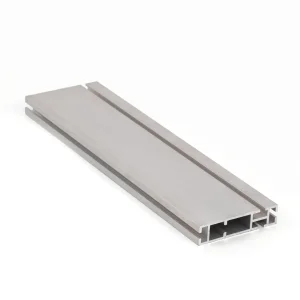
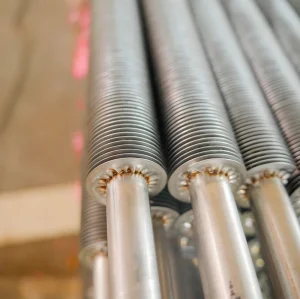
Easy Installation Corrosion-Resistant Finned Tube for Automotive Radiators
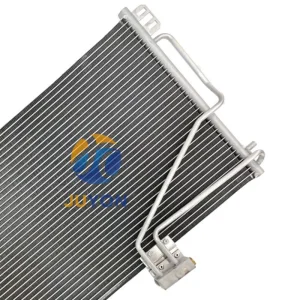
Hot Selling Refrigeration Car Air Conditioning Condenser for Benz 2035001354
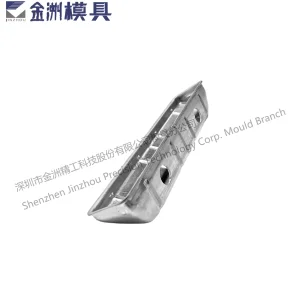
Reinforced Corner Rib Side Panel Stamping Die for Structural Load-Bearing Brackets
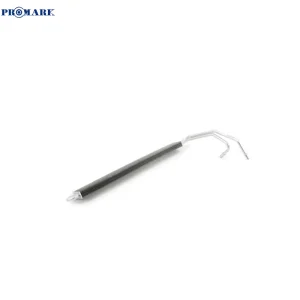
Power Steering Oil Cooler 17217800369 for BMW E60 E61 E63n E64n
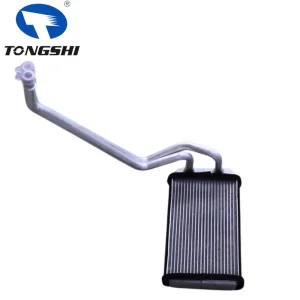
Car Heater Core Wholesale for Ford F-250 Super Duty Cabela's V10 6.8L/Ford F-350 XL V8 5.4L
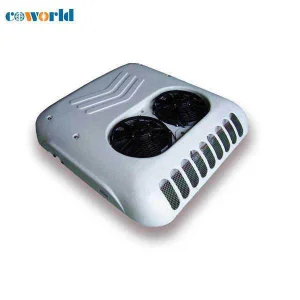
12V Integrated Engine Power Sprint Van Air Conditioning System
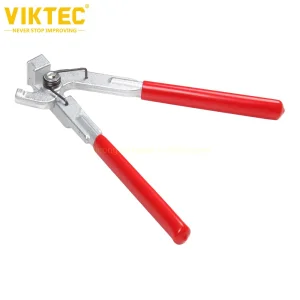
Viktec Radiator Pliers C - Closing Header Tool - Tools for Radiators Repair (VT17101B)
 Rock Auto