China Best Radiator Pressure Caps: Why Are They Important?
Why is the radiator pressure cap so important? It looks like a small metal or plastic cover, yet it controls a vital part of the cooling system. The cap maintains the correct pressure inside the radiator. This pressure raises the coolant’s boiling point. As a result, the engine can operate safely under heavy loads, hot weather, and long uphill drives. Without correct pressure, coolant may boil early, overflow, or leave dangerous air pockets around the engine.
Ray Bohacz, an ASE-certified automotive technician and technical educator, explains: “The radiator cap is a pressure-control valve, not simply a cover.” This statement captures its real function. A quality cap must seal tightly, release excessive pressure, and allow coolant to return during engine cooling. Small failures matter. A weak spring, damaged gasket, or incorrect pressure rating can cause leaks and overheating. Sometimes, the cap appears normal but fails under temperature.
For buyers comparing China best radiator pressure caps, quality requires more than a low price. Check the specified pressure rating, sealing materials, spring consistency, dimensional accuracy, and test records. Reliable manufacturers should verify each batch through pressure, leakage, and temperature testing. Vehicle compatibility also matters. A cap designed for one cooling system may perform poorly on another.
The cap is easy to overlook. That is the weakness in many maintenance routines. Replacing it without checking the radiator neck, hoses, and coolant condition may not solve the problem. Careful inspection remains essential. A dependable pressure cap supports stable cooling, protects engine performance, and reduces avoidable repair risks.
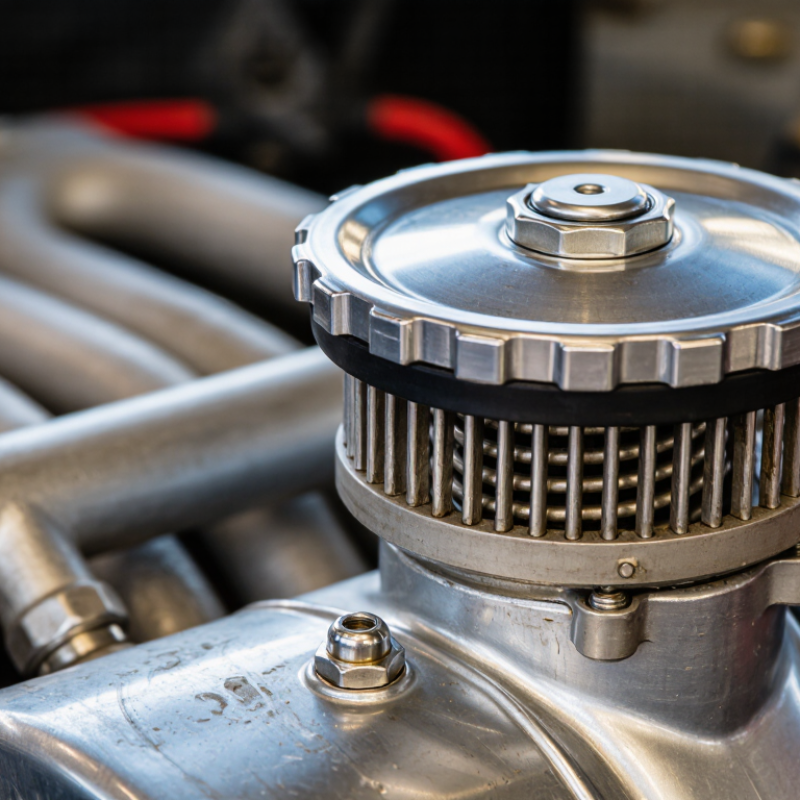
A radiator pressure cap is a small safety component fitted to the radiator filler neck. It does more than close the cooling system. Inside the cap, a calibrated spring presses a rubber seal against the neck. When coolant temperature rises, pressure increases and raises the boiling point. This helps the engine operate efficiently without immediate coolant loss.
The cap also manages coolant movement between the radiator and the expansion tank. If pressure becomes too high, its relief valve opens and releases coolant through the overflow passage. As the engine cools, a vacuum valve allows coolant to return. That cycle is easy to overlook. Yet, a weak spring or damaged seal can cause leaks, overheating, or collapsed hoses.
From practical inspections, the cap should be checked only after the engine is completely cold. Look for hardened rubber, rust, cracks, or a bent sealing surface. Never choose a replacement by appearance alone. The pressure rating must match the vehicle manufacturer’s specification. A higher rating is not automatically better. It may overload hoses, seals, or the radiator. I have seen owners blame the radiator when a worn cap caused the problem. That diagnosis was incomplete. A pressure tester can confirm whether the cap opens and seals at the correct pressure. Small parts still require careful judgment.
In workshop practice, the radiator pressure cap is often underestimated. This small component controls a large thermal risk. Its spring-loaded valve seals the cooling system until pressure reaches its rated limit, commonly 90–110 kPa above atmospheric pressure. That added pressure raises coolant’s boiling point and reduces vapor pockets around hot cylinder-head surfaces.
The pressure valve opens when heat expands the coolant. Excess fluid moves into the recovery tank, preventing hose damage and coolant loss. After shutdown, the engine cools and system pressure falls. A second vacuum valve then allows fluid to return from the tank. This two-way action keeps the radiator filled. It sounds simple, but a weak spring can open too early. A blocked valve can create dangerous pressure.
ASTM D1120 provides a recognized method for measuring engine-coolant boiling points, while SAE J20 defines performance requirements for many coolant types. These standards support a practical point: cap pressure must match the cooling system, coolant mixture, and engine design. A 15 psi cap can raise the boiling margin significantly, but the exact result depends on altitude, coolant concentration, and heat load. Higher pressure is not automatically better. It may stress aging seals and hoses.
Technicians should inspect the rubber seal, spring movement, and rated pressure. A cap that looks clean may still fail under temperature. That is the inconvenient part. Replacement decisions should follow the vehicle’s specified rating, not guesswork.
A radiator pressure cap maintains system pressure and raises the coolant boiling point, helping prevent boiling, vapor pockets, and coolant loss during engine operation.
The chart shows approximate boiling temperatures for a 50/50 ethylene-glycol and water coolant mixture at different radiator-cap pressures. When pressure rises to the cap’s rated limit, the spring-loaded valve releases excess pressure. As the coolant cools, the vacuum valve allows coolant to return from the expansion tank, helping maintain the correct system level. Actual values vary by coolant formulation, altitude, and vehicle design.
Why Is Pressure Control Important for Engine Performance?
A radiator pressure cap does more than seal the cooling system. It maintains a controlled pressure level as coolant temperature rises. This pressure increases the coolant’s boiling point, helping prevent vapor pockets around hot engine surfaces. Stable coolant flow supports more consistent combustion and reduces the risk of overheating during traffic, towing, or steep climbs. A weak cap may release pressure too early. The engine can then lose coolant through the overflow path.
In workshop inspections, a cap can look clean yet fail under heat. That is easy to miss. Small pressure losses may leave dried coolant marks around the neck or hose connections. Drivers might notice a sweet smell, rising temperature, or repeated coolant top-ups. These signs should not be ignored. The correct replacement must match the vehicle’s specified pressure rating. A higher rating is not automatically better and may stress older hoses or seals.
Tips: Check the cap only when the engine is fully cool. Inspect the rubber seal for cracks, flattening, or hardening. Use a pressure tester when possible, rather than guessing by appearance. Keep the radiator neck clean, but do not scrape its sealing surface. If overheating continues after replacing the cap, investigate the thermostat, fan, water pump, and radiator. One overlooked fault can imitate another. Specification guides are useful, but real operating conditions still deserve careful attention.
| Data Dimension | Typical Data or Specification | Why It Matters for Engine Performance |
|---|---|---|
| Primary Function | A radiator pressure cap maintains a controlled cooling-system pressure, seals the radiator or expansion tank, and allows coolant to move between the radiator and recovery reservoir. | Stable pressure helps prevent coolant loss and supports consistent heat transfer throughout the engine cooling system. |
| Common Pressure Ratings | Many passenger vehicles use approximately 0.9–1.1 bar (13–16 psi) of gauge pressure. The correct rating is determined by the vehicle manufacturer. | A cap with the wrong rating can cause coolant boiling, hose stress, leakage, or inadequate system pressure. |
| Pressure Conversion | 1 bar = 100 kPa ≈ 14.5 psi. For example, 1.0 bar is approximately 100 kPa or 14.5 psi. | Using the correct unit conversion helps technicians select and test a compatible replacement cap. |
| Effect on Coolant Boiling Point | Pressure raises the coolant boiling point. A 50/50 water-and-ethylene-glycol mixture boils at roughly 107°C (225°F) at atmospheric pressure; the exact pressurized boiling point depends on pressure, coolant concentration, and system condition. | A higher boiling margin reduces vapor formation and helps maintain liquid contact with hot engine and cylinder-head surfaces. |
| Pressure-Relief Valve | The main valve is designed to open near the cap’s rated pressure and release excess pressure to the recovery tank or outside the system, depending on the design. | It protects the radiator, hoses, seals, and engine components from excessive pressure caused by heat expansion or abnormal conditions. |
| Vacuum-Relief Valve | As the coolant cools and contracts, a separate vacuum valve allows coolant to return from the recovery reservoir or admits air when the system is not connected to a reservoir. | It helps prevent collapsed hoses and supports proper coolant recovery during the cool-down cycle. |
| Cooling-System Temperature Range | Many modern liquid-cooled engines operate with coolant temperatures approximately between 85°C and 105°C (185°F and 221°F), although the specified range varies by engine design and operating conditions. | Correct pressure control gives the engine a larger safety margin before coolant boiling and localized overheating occur. |
| Pressure Retention | A serviceable cap should maintain pressure within the vehicle manufacturer’s specified test range. A cap that loses pressure too quickly may have a damaged seal, weak spring, or contaminated valve seat. | Low pressure can reduce the boiling margin and lead to coolant loss, overheating, or repeated air entry into the system. |
| Seal Condition | The rubber sealing gasket should be flexible, clean, and free from cracks, hardening, swelling, or deformation. | A poor seal can cause pressure loss even when the spring and valve appear to be functional. |
| Common Failure Symptoms | Coolant escaping from the cap area, a damaged or swollen radiator hose, unexplained coolant loss, overheating, coolant boiling into the reservoir, or a collapsed hose after cool-down. | These symptoms may indicate a faulty cap, but they can also result from a blocked radiator, thermostat fault, cooling fan problem, trapped air, or combustion-gas leakage. |
| Pressure Testing | A cooling-system pressure tester can check system leakage, while a cap adapter can test the cap’s opening pressure and pressure-holding ability. Testing should follow the vehicle service specification. | Testing helps distinguish a defective pressure cap from other cooling-system problems and reduces unnecessary parts replacement. |
| Material and Construction | Quality caps commonly use corrosion-resistant metal or engineered polymer components, a calibrated spring, heat-resistant seals, and accurately formed valve seats. | Durable materials help the cap withstand repeated heat cycles, coolant exposure, vibration, and pressure changes. |
| Compatibility Requirements | Compatibility includes pressure rating, neck diameter, cap depth, seal position, locking tabs, valve design, and recovery-tank configuration. | A physically fitting cap may still be unsafe if its pressure rating or sealing geometry does not match the cooling system. |
| Maintenance Interval | There is no universal replacement interval. Inspection is recommended during coolant service and whenever overheating or coolant loss occurs. Replace the cap if it fails testing or shows visible damage. | Replacing a worn cap at the correct time can help prevent avoidable pressure-related cooling-system failures. |
| Safety Precaution | Never remove a radiator pressure cap while the engine and coolant are hot. Allow the system to cool fully before inspection or removal. | A pressurized hot cooling system can release scalding coolant and steam, creating a serious burn hazard. |
Note: Pressure ratings, coolant temperatures, and replacement requirements vary by vehicle. Always follow the engine manufacturer’s service specification.
A high-quality radiator pressure cap must control coolant pressure accurately. Its calibrated spring keeps the cooling system within the specified pressure range. This raises the coolant’s boiling point and reduces vapor formation during heavy engine use.
Material quality also matters. A durable cap commonly uses corrosion-resistant metal, heat-stable rubber, and a firm sealing gasket. The gasket should sit evenly against the filler neck, without cracks or flattening.
The cap must match the vehicle’s pressure rating and neck design. A strong-looking cap can still be poorly calibrated. Appearance alone is a weak inspection method.
Tips: Check the pressure rating before installation. Inspect the gasket for hardening, cuts, or deformation. Test the cap with suitable workshop equipment when possible. Never open a hot radiator, because escaping coolant can cause serious burns. Replace the cap if coolant leaks around the neck or the reservoir level changes unusually. A careful technician also checks the filler neck, since a damaged neck can imitate cap failure. That detail is easy to miss. Quality control should include pressure testing, sealing checks, and dimensional inspection. Some suppliers may provide test records, but records still deserve verification.
Choosing the best radiator pressure cap in China starts with the vehicle’s original pressure rating. Check the service manual or the old cap carefully. Never select a higher rating just to reduce coolant loss. Excess pressure can damage hoses, seals, or the radiator.
The cap must also match the neck diameter, locking tabs, gasket shape, and vacuum valve design. Local workshops often stock several similar-looking caps, but appearance alone proves little.
A reliable cap has a firm spring and a flexible, undamaged rubber seal. Check for cracks, swelling, rust, or dried coolant around the cap.
Test it with a cooling-system pressure tester while the engine is completely cold. The cap should hold its rated pressure without a rapid drop.
Do not open a hot radiator. Scalding coolant can escape suddenly.
Maintenance is simple but easy to neglect. Clean the sealing surface with a lint-free cloth during coolant service. Use the correct coolant mixture, because deposits may prevent the vacuum valve from working.
In northern China, freezing protection matters; in southern coastal areas, corrosion resistance deserves equal attention.
A cap may look normal yet fail internally. That is why replacing it after repeated overheating is sensible, even without visible damage.
I have seen drivers blame the radiator when a weak cap caused the real problem.
Still, a cap replacement cannot fix a blocked radiator, faulty thermostat, or failing water pump. Test the whole system.
It seals the cooling system and controls pressure as coolant heats. A spring-loaded valve opens near its rated limit. Added pressure raises the coolant’s boiling point. This helps reduce vapor pockets near hot engine surfaces.
Heated coolant expands and moves through the pressure valve into the recovery tank. After shutdown, cooling reduces system pressure. A vacuum valve then draws coolant back into the radiator. The radiator stays filled.
Use the vehicle’s specified rating, often within a stated range near 90–110 kPa above atmospheric pressure. Do not choose a higher rating automatically. Extra pressure may stress old hoses, seals, or the radiator.
Yes. A weak spring may release pressure too early. Coolant can escape through the overflow path. Lower pressure also reduces the boiling margin. Traffic, towing, and steep climbs may expose the problem.
Look for dried coolant near the cap or hose connections. A sweet smell, rising temperature, or repeated top-ups may also appear. The cap may look clean. That is easy to miss.
Let the engine become completely cold. Inspect the rubber seal for cracks, flattening, or hardening. Use a cooling-system pressure tester when possible. The cap should hold its rated pressure without a rapid drop.
Yes. The cap must match the neck diameter, locking tabs, gasket shape, and vacuum-valve design. Similar appearance proves little. A poorly matched cap may leak or fail to return coolant.
Clean the sealing surface with a lint-free cloth during coolant service. Check for rust, swelling, and dried deposits. Use the correct coolant mixture. Deposits can stop the vacuum valve from working.
Replacement is sensible when the cap has repeated heat exposure or uncertain performance. Still, a new cap cannot repair a blocked radiator, faulty thermostat, fan, or water pump. Test the whole system. One fault can imitate another.
A radiator pressure cap is a small but essential component that seals the cooling system and controls its operating pressure. By maintaining the correct pressure, it raises the coolant’s boiling point, reduces the risk of overheating, and helps the engine operate efficiently under different driving conditions. When pressure becomes too high, the cap releases excess coolant to the reservoir; as the system cools, it allows coolant to return. Why is the radiator pressure cap so important? Without accurate pressure control, coolant may boil, leak, or circulate improperly, leading to unstable engine temperatures and possible damage.
A high-quality radiator pressure cap should provide reliable sealing, accurate pressure regulation, durable materials, and strong resistance to heat, corrosion, and repeated pressure changes. When choosing the best radiator pressure cap in China, users should match the correct pressure rating and size with the vehicle’s cooling-system requirements. Regularly checking for damaged seals, rust, deformation, or coolant leakage can help maintain performance and support long-term engine reliability.
Rock Auto