Aluminum heater cores are compact, thin-walled heat exchangers working beside copper, brass, steel, solder, and engine coolant. That combination leaves little room for neglect. A weak inhibitor package, incorrect coolant mixture, trapped air, or chloride contamination can gradually damage internal surfaces. Small leaks matter. A sweet smell inside the cabin or a damp passenger-side carpet may be the first visible warning, not the beginning of the corrosion.
The NACE International IMPACT study estimated global corrosion costs at US$2.5 trillion in 2013, about 3.4% of global GDP. That figure covers many industries, not heater cores specifically, but it shows why prevention deserves attention. For automotive cooling systems, ASTM D4340 evaluates corrosion of cast aluminum alloys under heat-rejecting conditions, while ASTM D1384 assesses coolant corrosion using a glassware test. These methods offer useful context; neither alone guarantees real-world heater-core life.
So, How to prevent internal corrosion in aluminum heater cores? Start with the vehicle maker’s coolant specification, maintain the correct concentration, and avoid mixing incompatible products. Inspect coolant condition and service history, then check for leaks, air pockets, and signs of contamination. A clean-looking reservoir is not proof of healthy coolant. That is easy to overlook. This guide examines practical prevention, inspection, and maintenance choices, while recognizing that corrosion rarely has one simple cause. A neglected detail can still change the outcome.
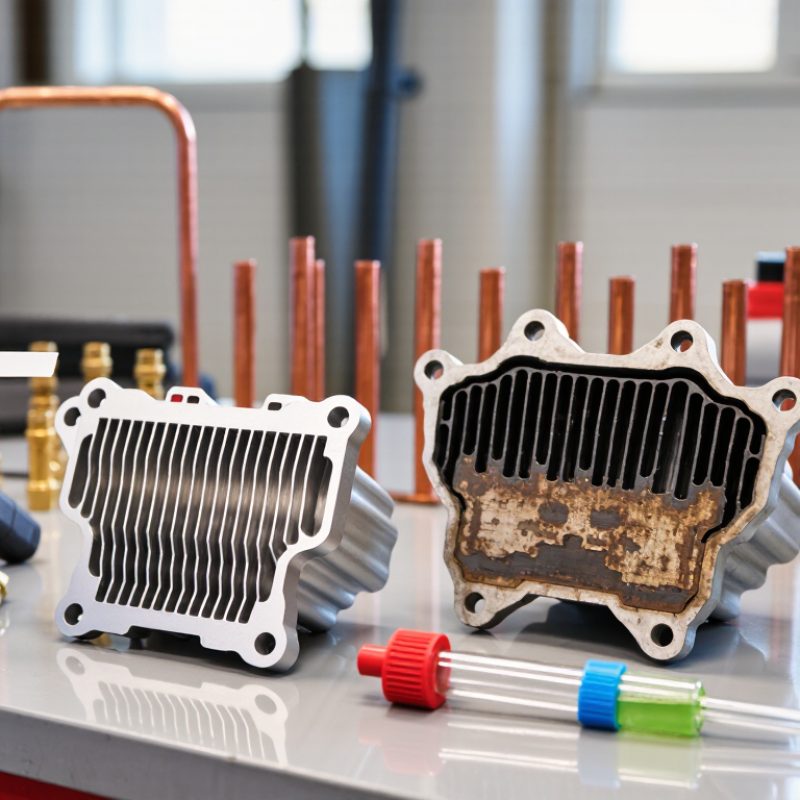
Understanding Corrosion in Aluminum Heater Cores
Aluminum heater cores are lightweight, but their thin passages can be vulnerable to corrosion. Aluminum naturally forms a protective oxide film when exposed to air. That film can weaken when coolant becomes too acidic, contaminated, or depleted of its corrosion inhibitors. Chlorides from road salt or unsuitable water may also encourage pitting. Small deposits matter. A tiny pit can eventually seep coolant, even when the core looks clean from the outside.
Tips: Use coolant specified for the vehicle, and avoid mixing formulations without checking compatibility. Keep the cooling system filled with the correct water-and-coolant blend. Check for rusty-looking fluid, residue around connections, or a sweet smell inside the cabin. These clues are useful, but they do not confirm the cause.
Galvanic corrosion is another possibility. It may occur when aluminum contacts a dissimilar metal in conductive coolant, especially if a protective coating or electrical isolation has failed. A pressure test can help locate leaks, while coolant testing can reveal problems that visual inspection misses. Replacement is not always the first answer; the underlying fluid condition and connected components deserve attention too. Even careful maintenance cannot prevent every failure, and corrosion can develop in places that are difficult to inspect.
Identifying Common Causes of Heater Core Corrosion
Identifying Common Causes of Heater Core Corrosion
Aluminum heater cores can corrode when coolant protection weakens, electrical currents stray, or incompatible metals meet. The damage often begins quietly: a pinhole, damp carpet, or sweet coolant smell may appear before the leak becomes obvious.
NACE International’s 2016 IMPACT study estimated corrosion costs at US$2.5 trillion worldwide, about 3.4% of global GDP. That figure covers many industries, not heater cores alone, but it shows why small corrosion failures deserve attention.
Coolant chemistry is a frequent culprit. Old or incorrect coolant may lose protective inhibitors, while untreated tap water can introduce minerals and chlorides. These contaminants can attack aluminum, especially when heat and repeated temperature cycles accelerate chemical reactions.
Mixed-metal contact matters, too. An aluminum core connected to copper or brass parts can form a galvanic couple when coolant provides a conductive path. Stray electrical current may worsen the attack. It is not always easy to identify one cause; several can overlap.
Look for crusty deposits around fittings, discolored coolant, or recurring leaks after a repair. A pressure test can locate leakage, while coolant testing can reveal pH or contamination concerns. Do not rely on appearance alone. A clean-looking reservoir does not prove the inhibitor package is healthy, and flushing cannot repair metal already lost. These details are easy to miss. A maintenance record helps connect coolant age, water source, and repeat failures.
Choosing Compatible Coolants and System Materials
2026 Top Ways to Prevent Corrosion in Aluminum Heater Cores?
Choosing Compatible Coolants and System Materials
Coolant compatibility starts with the heater core’s specified requirements. Choose a fluid formulated for aluminum, with corrosion inhibitors suited to the system’s metals. Check the service manual for the approved coolant type and replacement interval. Color alone is not a reliable guide. Two fluids that look alike may use different inhibitor chemistry, and mixing them can reduce protection. Small details matter.
Tips: Check labels before topping up. Use the dilution recommended for the coolant; if concentrate requires water, use the stated water quality. Inspect fittings, clamps, and seals for compatibility too. Copper or brass connected to aluminum can encourage galvanic corrosion when coolant provides a conductive path. Avoid unverified stop-leak products and extra additives. They may interfere with heat transfer or inhibitor balance.
Keep the coolant clean and maintain its specified concentration and condition. Test it using a method suitable for that fluid, rather than relying on appearance. If the core has been exposed to incompatible coolant, follow the vehicle or equipment maker’s flushing procedure before refilling. Compatibility charts can be imperfect, especially in older systems with replacement parts. When material details are unclear, confirm them with a qualified technician instead of guessing.
2026 Top Ways to Prevent Corrosion in Aluminum Heater Cores
Standard reduction potentials help illustrate why electrical contact between aluminum and dissimilar metals can raise galvanic-corrosion concerns.
How to use this: Aluminum is much more electrochemically active than copper, iron, or tin under standard reference conditions. In a heater system, use a coolant formulated for aluminum, avoid incompatible mixed metals where practical, and maintain sound electrical isolation and coolant condition. Standard potentials are not in-service corrosion rates; actual galvanic behavior depends on coolant chemistry, surface films, temperature, and metal-area ratios.
Inspecting and Addressing Early Signs of Corrosion
Early corrosion in an aluminum heater core can be easy to miss. Check the passenger-side carpet for dampness, sticky residue, or a faint sweet coolant smell. Look through accessible openings for white or gray deposits around joints and pipe connections. A small stain matters. These clues do not prove the core is corroded, but they justify a closer inspection. Check only when the engine is cool; never open a hot cooling system.
Tips: Use a flashlight and take photos of any new marks. Note when they appear and whether the coolant level changes. Avoid scraping deposits away, since that can hide useful evidence or damage a fitting.
If you spot moisture or crusty residue, have the system pressure-tested by a qualified technician. A pressure test can help locate a leak before replacing parts. Also check coolant condition, service history, and nearby hose connections; a leak may come from somewhere other than the heater core. Follow the vehicle maker’s coolant specifications, and do not mix products by guesswork. One missed clue can become a larger repair, though an isolated stain may have another cause. Recheck the same areas after service, because early signs can return quietly.
Conclusion
Preventing corrosion in aluminum heater cores starts with understanding how it develops. Coolant that has degraded, unsuitable fluid mixtures, trapped air, contamination, and contact with incompatible system materials can all contribute to internal corrosion. Selecting a coolant formulated for aluminum and compatible with every component in the cooling system helps reduce chemical reactions and deposits. Avoid mixing fluids unless their compatibility is confirmed, and follow the vehicle or equipment manufacturer’s guidance for coolant type and service intervals.
How to prevent internal corrosion in aluminum heater cores? Maintain the cooling system regularly: check coolant condition and level, repair leaks, and replace or flush fluid as recommended. During inspections, look for discoloration, sediment, reduced cabin heat, unusual odors, or signs of leakage. Addressing these early can help prevent further damage. Careful maintenance and prompt attention to warning signs support reliable heater performance and may extend the service life of the core.
 Rock Auto
