Flushing an aluminum cooling system is crucial for maintaining optimal engine performance. Understanding how to flush an aluminum cooling system properly can prevent overheating and corrosion. A clean cooling system ensures that coolant flows freely, enhancing heat transfer efficiency.
Many vehicle owners overlook the importance of regular maintenance. Neglecting the cooling system can lead to serious engine problems. Common signs include fluctuating temperatures and engine noises. The flushing process involves multiple steps and specific tools to achieve the best results. It may seem daunting, but with the right information, it becomes manageable.
Properly flushing also means choosing compatible chemicals. Using the wrong products can cause damage to aluminum components. A thorough understanding of your vehicle's system helps in making informed choices. Being aware of potential pitfalls during the process enhances reliability. Taking the right steps can significantly extend your engine's lifespan.
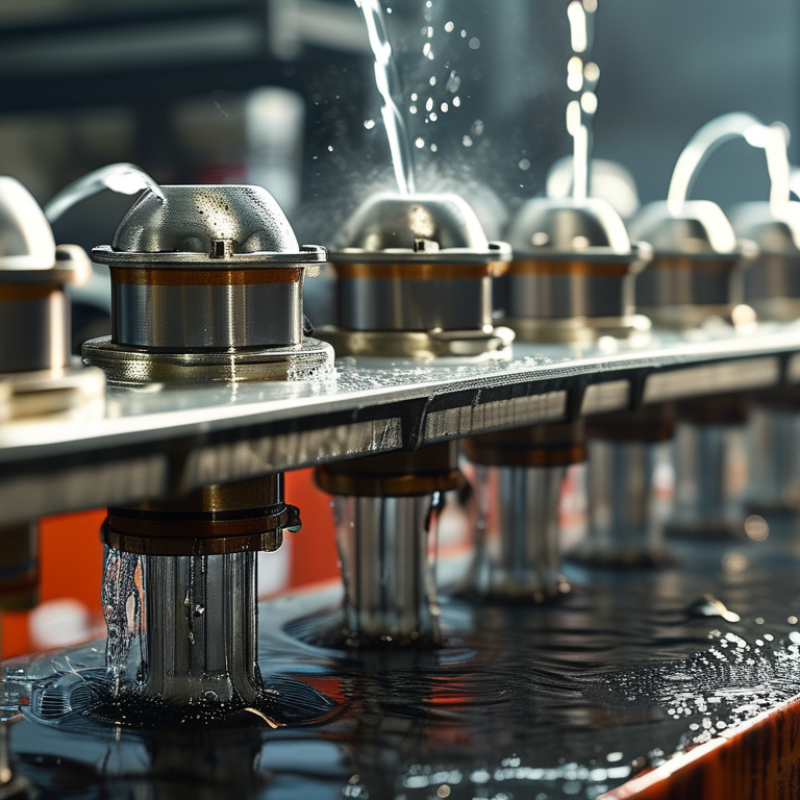
Flushing an aluminum cooling system is essential for efficient performance and longevity. Over time, corrosion, debris, and coolant breakdown can lead to overheating and costly repairs. Understanding this importance can save drivers both time and money. Regular flushing removes harmful contaminants and helps maintain optimal engine temperatures.
Ensure you use the right coolant and follow proper procedures. When flushing, always check for leaks and worn hoses. Maintaining your vehicle's cooling system should not be overlooked. A small irregularity can lead to bigger issues down the line. Regular checks can prevent catastrophic failures.
Cleaning your system every couple of years offers peace of mind. Monitor your coolant levels and color. If the fluid appears cloudy or rusty, it is time to flush. Choosing the right time for maintenance can improve performance and extend the life of the cooling system. Taking a proactive approach pays off by safeguarding against unexpected breakdowns.
| Step | Description | Importance |
|---|---|---|
| 1 | Gather necessary tools and materials. | Ensures a smooth flushing process. |
| 2 | Allow the engine to cool down. | Prevents burns during the process. |
| 3 | Drain the old coolant. | Removes contaminants and debris. |
| 4 | Flush the system with water. | Cleans out remaining residue. |
| 5 | Use a flushing agent (if needed). | Enhances removal of build-up. |
| 6 | Re-drain and rinse the system. | Ensures all cleaning agents are removed. |
| 7 | Inspect and replace any damaged hoses. | Prevents future leaks. |
| 8 | Refill with new coolant. | Maintains optimal engine temperature. |
| 9 | Bleed the cooling system of air. | Prevents overheating and ensures efficiency. |
| 10 | Run the engine and check for leaks. | Confirms the system is functioning properly. |
: You need a radiator flush solution, a bucket, a garden hose, and safety goggles.
Safety goggles protect your eyes from splashes. Neglecting safety can lead to injuries.
Regular flushing can prevent up to 80% of cooling system failures. Maintaining cleanliness improves efficiency.
Examine the radiator, water pump, and hoses. Corrosion or blockages can lead to problems.
Use a soft brush to avoid damaging the delicate fins. Careless cleaning can worsen the airflow.
Neglecting this can cause overheating and inefficiencies. Aim for the correct coolant levels.
Using a vacuum fill tool can help prevent air pockets. Air reduces heat transfer efficiency significantly.
Discolored coolant may indicate deeper issues. Addressing early can prevent costly repairs.
Keeping a maintenance log helps track cleaning and inspections effectively. Regular checks are vital for system health.
Minor issues offer valuable lessons to enhance expertise. Reflecting on them can improve future maintenance.
Flushing an aluminum cooling system is essential for maintaining optimal engine performance and preventing corrosion. Understanding the importance of this process is the first step. To effectively flush an aluminum cooling system properly, gather the necessary tools and materials, including coolant flush solutions, hoses, and a drain pan. The step-by-step procedure involves draining the old coolant, adding the flushing solution, and running the engine to circulate the cleaner, followed by thorough rinsing to remove any debris or buildup.
After flushing, it’s crucial to inspect and clean the components to ensure that no contaminants remain. Finally, the cooling system should be properly refilled with fresh coolant and tested for efficiency. By following these steps, one can ensure the longevity and reliability of an aluminum cooling system. In summary, knowing how to flush an aluminum cooling system properly is vital for vehicle maintenance and performance.

 Rock Auto