Internal corrosion in aluminum heater cores is a common issue that can lead to substantial problems. Knowing how to prevent internal corrosion in aluminum heater cores is crucial for maintaining system efficiency. This article outlines practical strategies to combat corrosion, ensuring the longevity of your heating system.
Corrosion occurs when moisture and contaminants interact with aluminum surfaces over time. This can lead to leaks, reduced heat transfer, and system failure. Proper maintenance and preventive measures are essential. Experts agree that regular inspections and the right choice of materials can make a significant difference.
Understanding the factors that contribute to corrosion is vital. For instance, the quality of coolant used plays a critical role. Water quality, chemical additives, and pH levels should be monitored closely. Being proactive in these areas can help mitigate corrosion risks effectively. Ultimately, the goal is to enhance reliability and performance while reducing costly repairs.
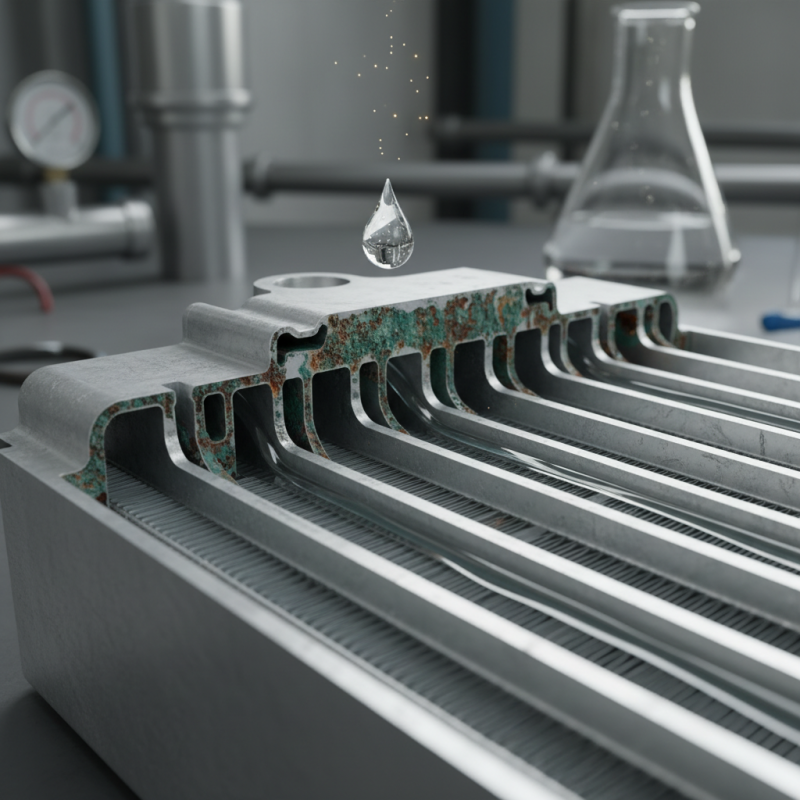
Top 10 Strategies for Preventing Internal Corrosion in Aluminum Heater Cores
Preventing internal corrosion in aluminum heater cores is crucial for maintaining performance. Regularly inspecting the heater core can catch early signs of corrosion. Frequent checks help identify issues before they escalate. Pay attention to the fluid used in the heating system. Using non-corrosive coolant significantly reduces corrosion risks.
Proper flushing of the system also aids in prevention. This removes harmful deposits that may cause corrosion. Additionally, maintaining optimal pH levels in the coolant is essential. A balanced pH minimizes the corrosive effects on aluminum. Installing a filtration system can also help. Filtering out contaminants protects the heater core from damage.
Avoid neglecting maintenance schedules. Delays can lead to severe corrosion issues over time. Educating users on warning signs is equally vital. Symptoms like unusual noises or decreased heating efficiency indicate potential problems. Encourage regular maintenance and timely replacements when necessary. Such practices can enhance the longevity of aluminum heater cores. Each of these steps contributes to maintaining a reliable heating system.
Understanding the Causes of Corrosion in Aluminum Heater Cores
Corrosion in aluminum heater cores is a common issue. Understanding its causes is crucial. Moisture often leads to corrosion. When aluminum interacts with water and air, electrochemical reactions occur. This results in pitting and deterioration of the metal.
Another factor is the presence of contaminants. Dirty coolants can introduce particles that accelerate corrosion rates. Inadequate flow can lead to stagnant areas. Stagnation creates pockets where corrosion thrives. The use of dissimilar metals in the system can also cause galvanic corrosion. Different metals can create unwanted electrical activity.
Preventing corrosion requires vigilance. Regular maintenance of the cooling system is essential. At times, even small signs of corrosion may be overlooked. They can lead to bigger problems later. Avoiding harsh chemicals in fluids can also help. While no solution is flawless, understanding these causes can guide better practices.
The Role of Alloy Selection in Corrosion Resistance of Heater Cores
The selection of the right aluminum alloy is crucial for the corrosion resistance of heater cores. Alloys, such as 3003 or 6061, showcase varying resistance levels against internal corrosion. A study conducted by the Aluminum Association reveals that alloy 3003 has an excellent balance of strength and corrosion resistance, making it a popular choice. Meanwhile, 6061 offers higher strength, but may have compromised corrosion resistance in certain environments.
Environmental factors also play a significant role. For instance, when exposed to high humidity and temperatures, alloys can exhibit different corrosion rates. A report from the Corrosion Prevention Association states that internal corrosion can increase maintenance costs by up to 30%. This emphasizes the importance of proper alloy choice and environmental considerations. Engineers must often navigate these complexities, balancing strength and longevity.
Moreover, the presence of contaminants, such as chlorides and sulfates, can exacerbate corrosion issues. Inadequate cleaning and maintenance can lead to accelerated degradation of heater cores. The need for regular inspections becomes evident. While choosing the right alloy is vital, one must also reflect on overall system design and maintenance practices to enhance performance and longevity.
Impact of Coolant Chemistry on Corrosive Processes in Aluminum Components
The chemistry of coolant plays a crucial role in preventing internal corrosion in aluminum heater cores. When the coolant becomes imbalanced, it can lead to aggressive reactions that damage metal surfaces. Elements like pH, temperature, and the presence of contaminants can significantly influence these corrosive processes. Regular monitoring of coolant chemistry will help maintain the integrity of aluminum components over time.
To mitigate corrosion, consider adjusting the pH of the coolant. A neutral pH level (around 7) can help minimize corrosive potential. Additionally, ensure that your coolant is free from harmful contaminants. Using filters can prevent particles from circulating within the system.
It is also important to routinely inspect your heater core for early signs of wear or corrosion. Look for discoloration or leaks. These can be indicators that the coolant's chemistry is off-balance or that there are underlying issues that need addressing. Catching problems early can save time and money in repairs. Always consult with a professional to understand the specific chemistry needs of your cooling system.
Regular Maintenance Practices to Mitigate Corrosion in Heater Cores
Regular maintenance practices are vital for mitigating corrosion in aluminum heater cores. Research shows that approximately 30% of failures in heating systems are due to corrosion. Proper monitoring can help identify issues before they escalate. Keeping an eye on coolant quality is essential. Contaminated or improperly mixed coolant can lead to rapid corrosion.
Implementing routine inspections every six months can enhance the lifespan of heater cores. Technicians should check for signs of corrosion, such as pitting or discoloration. Using a corrosion inhibitor in the coolant can also reduce the risk. According to industry data, the right inhibitor can decrease corrosion rates by up to 70%.
Educating staff on the importance of maintenance can foster a proactive approach. Many facilities overlook small leaks or overheating. These can cause long-term damage to heating systems. An awareness initiative can change maintenance culture. Regularly flushing the system to remove sludge and scale is beneficial. This simple measure can extend the life of heater cores significantly.
Top 10 Ways to Prevent Internal Corrosion in Aluminum Heater Cores
| Prevention Method |
Description |
Frequency |
Effectiveness (%) |
| Regular Flushing |
Flushing the cooling system to remove contaminants. |
Yearly |
85 |
| Using Inhibitors |
Adding chemical inhibitors to coolant to prevent corrosion. |
Every 2 Years |
90 |
| Temperature Control |
Maintaining proper engine temperature to reduce stress. |
Continuous |
75 |
| Proper Coolant Mix |
Ensuring the right mixture of water and antifreeze. |
Every 2 Years |
80 |
| Regular Inspections |
Inspecting heater cores for signs of corrosion. |
Semi-Annually |
70 |
| Electrolytic Protection |
Using sacrificial anodes to prevent galvanic corrosion. |
Annually |
95 |
| Cleaning |
Regularly cleaning the heater core to remove debris. |
Quarterly |
80 |
| System Drainage |
Draining the system before winter to prevent freezing. |
Annually |
85 |
| Leak Repair |
Immediate repair of coolant leaks to minimize exposure. |
As Needed |
90 |
Innovative Coatings and Treatments to Protect Aluminum Against Corrosion
Aluminum heater cores are vital in various applications. However, they are prone to
internal corrosion. Innovative coatings
and treatments can significantly enhance their lifespan. Research shows that aluminum alloys are
susceptible to localized corrosion under certain conditions. For example, pitting can occur
in environments with chloride ions. This is where advanced coatings become crucial.
Epoxy and polyurethane coatings provide an effective barrier against moisture
and corrosive agents. A study indicated that using these coatings reduced
corrosion rates by up to 70% in saltwater exposure tests.
These coatings not only prevent corrosion but also improve thermal conductivity.
However, improper application can lead to defects or reduced adhesion, which must be addressed.
Besides coatings, chemical treatments like anodization
enhance aluminum's natural oxide layer. Anodization creates a thicker layer, increasing
resistance to corrosion. Nevertheless, this process can be costly and may not be environmentally friendly.
Some prefer less invasive methods. Options like sealants
are less durable but easier to apply. The choice of treatment often reflects a balance
between effectiveness and cost-effectiveness. In any case, regular inspections
remain essential for maintenance and early detection of corrosion.
FAQS
: Corrosion often occurs due to moisture, contaminants, and stagnant areas in the cooling system.
Dirty coolants can introduce particles that increase corrosion, making regular coolant checks essential.
Imbalanced coolant can lead to aggressive reactions, damaging metal surfaces over time.
Regular monitoring and adjusting pH levels around 7 can help minimize corrosive risks.
Look for discoloration or leaks, which indicate potential corrosion and chemistry issues.
Epoxy and polyurethane coatings create barriers against moisture, reducing corrosion rates significantly.
Anodization thickens aluminum's oxide layer, enhancing its corrosion resistance but can be costly.
Sealants provide easier applications but are generally less durable than advanced coatings.
Early detection of issues can save time and money in repairs, preventing further deterioration.
Balance between effectiveness, cost, and environmental impact must be carefully evaluated.
Conclusion
Preventing internal corrosion in aluminum heater cores is critical to ensuring their longevity and efficient performance. To understand how to prevent internal corrosion in aluminum heater cores, it's essential to recognize the primary causes of corrosion, including chemical reactions with coolant fluids and environmental factors. One effective strategy involves selecting the appropriate aluminum alloy, which can significantly enhance corrosion resistance. Additionally, maintaining optimal coolant chemistry is crucial, as imbalances can accelerate corrosive processes in aluminum components.
Regular maintenance practices, such as routine inspections and coolant changes, play a vital role in mitigating corrosion risks. Furthermore, employing innovative coatings and treatments can provide an extra layer of protection against corrosion, extending the lifespan of aluminum heater cores. By implementing these strategies, it is possible to effectively reduce the likelihood of internal corrosion and improve the overall reliability of heating systems.

 Rock Auto