Maintaining the cooling system in hybrid vehicles is crucial for optimal performance and longevity. These vehicles rely on a complex interplay between gasoline engines and electric motors. Proper maintenance helps prevent overheating and ensures smooth operation. So, how to maintain the cooling system in hybrid vehicles?
Regular checks of coolant levels are essential. Make sure to inspect hoses and connections for wear and leaks. It’s easy to overlook these components, yet they play a vital role. If you notice any signs of corrosion or damage, replace them promptly. Neglecting these issues could lead to serious engine problems down the line.
Understanding your vehicle’s specific cooling requirements is also important. Each hybrid model has its unique design. Refer to the owner’s manual for specific maintenance tips. Communicating with a professional mechanic who specializes in hybrids can provide additional insights. They can offer advice tailored to your vehicle’s needs and help you avoid common pitfalls. Embracing these practices will significantly extend the life of your hybrid vehicle’s cooling system.
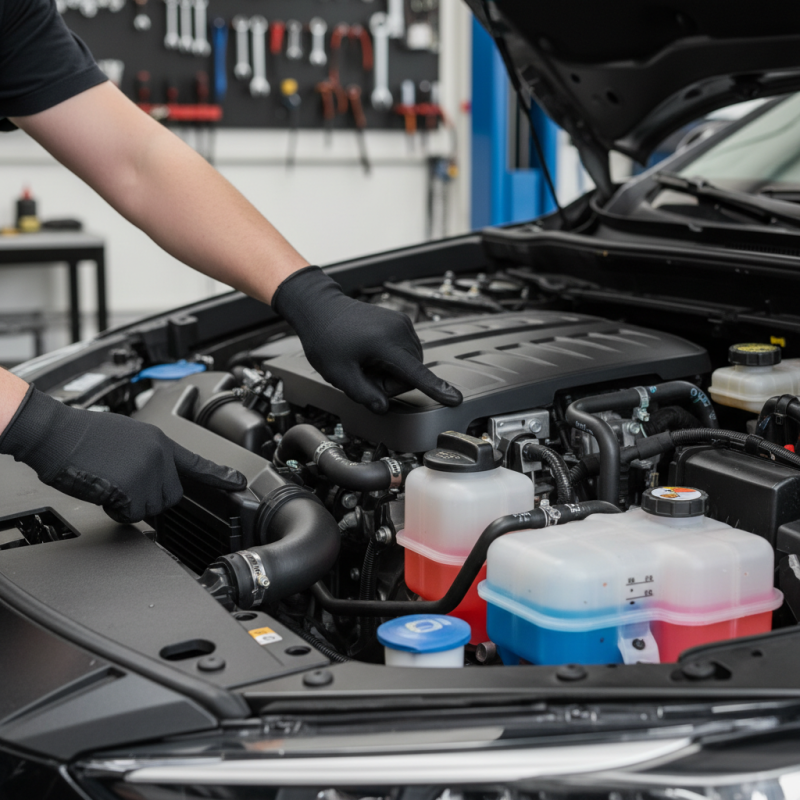
Cooling systems play a crucial role in hybrid vehicles, ensuring efficiency and longevity. These systems manage the temperature of both the engine and batteries. Proper maintenance can prevent overheating, which might lead to severe damage. Understanding their importance is vital for any hybrid vehicle owner.
Regular checks can make a difference. Inspect coolant levels consistently. Low coolant can lead to overheating issues. Always use the recommended type of coolant for your vehicle. Keep an eye on the radiator for leaks or corrosion. These signs can indicate larger problems.
It’s important to note that every vehicle may have unique needs. Consult your owner’s manual for specific maintenance guidelines. Maintain the system’s components, like hoses and pumps, to ensure optimal performance. Consider flushing the cooling system as recommended, usually every few years. This practice helps eliminate build-up and keeps your vehicle running smoothly.
This bar chart displays the cooling system efficiency of different hybrid vehicles. Maintaining an efficient cooling system is vital for preventing overheating and ensuring the longevity of the vehicle's components.
Hybrid vehicles are popular for their fuel efficiency.
However, their cooling systems can encounter specific issues. One common problem is coolant leaks.
According to recent industry reports, around 20% of hybrid vehicle owners face this issue
within the first five years of ownership. Leaks can lead to overheating, which may damage the engine or battery components.
Another problem is the cooling fan failure.
This typically occurs when the fan's motor malfunctions, preventing proper airflow. Studies show that about
15% of hybrid vehicles experience fan issues, particularly in older models.
Regular maintenance can prevent overheating due to fan failure.
Additionally, clogged radiator passages can impede coolant flow. This often goes unnoticed until significant overheating occurs.
A 2022 survey indicated that such clogs were responsible for over
10% of cooling system failures in hybrids.
Keeping an eye on the condition of the coolant and radiator is vital.
Addressing these common problems promptly will help extend the life of the vehicle's cooling system.
Maintaining the cooling system in hybrid vehicles is crucial for optimal performance. Many studies suggest that a well-functioning cooling system can enhance engine efficiency by up to 30%. Regular checks of coolant levels can prevent overheating, which can lead to costly repairs. Engine temperature control not only protects components but also extends the lifespan of the vehicle.
Inspecting the radiator and cooling fans regularly is also vital. Blocked radiators can reduce cooling efficiency significantly. Reports indicate that up to 50% of cooling issues arise from such obstructions. Hybrid systems often operate under different conditions compared to conventional vehicles. Understanding these differences is essential for effective maintenance. Monitoring the hybrid battery temperature is key, as excessive heat can shorten battery life.
While many drivers neglect cooling system maintenance, it can result in serious issues. A simple flush of the coolant every two years can make a notable difference. Many hybrid owners overlook the importance of these preventative measures. Emphasizing regular inspections and maintenance is critical. Ignoring these tasks can lead to performance drops and safety hazards on the road. Keep a consistent maintenance schedule to ensure reliability and efficiency.
Maintaining the cooling system in your hybrid vehicle is crucial for its longevity. One of the primary signs that your cooling system needs attention is overheating. If your temperature gauge consistently shows a high reading, it’s time to investigate. Additionally, if you notice any leaks under the vehicle, this could indicate coolant loss. Low coolant levels often lead to poor engine performance and efficiency.
Pay attention to unusual noises. A hissing sound could suggest a coolant leak, while a bubbling noise might indicate trapped air in the system. If the heater isn’t performing well on cold days, it’s possible that your cooling system is malfunctioning.
For proper maintenance, always check coolant levels regularly. Ensure that all hoses are intact and free from cracks. Flush the cooling system every few years to remove any build-up. Don’t ignore warning lights on your dashboard; they are there for a reason. Regular inspections by a professional can prevent severe issues down the road. Keeping an eye on these signs will help you maintain optimal performance and reliability in your hybrid vehicle.
Maintaining the cooling system in hybrid vehicles is crucial for optimal performance. Overheating can lead to severe engine damage. Regularly check the coolant level. If it’s low, top it up promptly. Look for leaks under the vehicle. Small puddles can indicate larger problems. Monitor the temperature gauge while driving. If it frequently climbs into the red zone, something is wrong.
Knowing when to seek professional help is vital. If you notice a sweet smell inside the car, that could mean coolant is leaking. Strange noises when the engine is running might indicate a failing cooling fan. Don’t wait for the problem to worsen. Ignoring these signs can lead to expensive repairs. If the vehicle has error codes related to the cooling system, consult a professional immediately.
Professional mechanics have the tools and expertise to diagnose issues correctly. They can conduct pressure tests that reveal hidden leaks. Regular inspections by a qualified technician can extend the life of your hybrid vehicle. If you are unsure about the maintenance, don’t hesitate to ask an expert. They can help you understand the specific needs of your vehicle's cooling system.
: Cooling systems ensure efficiency and longevity by managing engine and battery temperatures.
Regularly check coolant levels and use the recommended type of coolant. Inspect for leaks or corrosion.
Common issues include coolant leaks, cooling fan failures, and clogged radiator passages that can lead to overheating.
Flushing the system is recommended every few years to keep it running smoothly and prevent build-up.
Overheating, leaks, unusual noises, and poor heater performance can signal a need for maintenance.
Investigate promptly, as consistent high readings indicate potential overheating issues.
Low coolant can lead to poor engine performance and increased risk of overheating.
Regular inspections help catch problems early, preventing severe damage and extending the system's life.
Basic checks like coolant levels can be done personally, but consider professional help for complex issues.
Unusual sounds may indicate a problem. It's essential to have the system checked to prevent further complications.
In understanding how to maintain the cooling system in hybrid vehicles, it is crucial to recognize the significance of effective cooling systems for optimal vehicle performance. Hybrid vehicles are particularly sensitive to overheating, which can lead to severe engine damage and efficiency loss. Common issues include coolant leaks, radiator malfunctions, and clogged cooling passages.
To ensure the longevity and reliability of your hybrid's cooling system, essential maintenance tips include regularly checking coolant levels, inspecting hoses for wear or leaks, and flushing the cooling system according to the manufacturer's recommendations. Additionally, it's important to be aware of signs that indicate your cooling system needs attention, such as fluctuating temperature gauges or unusual noises. When in doubt, seeking professional help for cooling system maintenance can prevent more serious issues and ensure your hybrid vehicle runs smoothly.

Rock Auto