How to Maintain a Hybrid Vehicle Cooling System?

Time:2026-10-21 Author:Isabella
0%

Hybrid vehicles depend on several cooling circuits, not one simple radiator. The engine, inverter, battery pack, and cabin system may use different pumps, fluids, and airflow paths. That complexity makes routine inspection more important than guesswork.

So, how should drivers approach the question, “How to maintain the cooling system in hybrid vehicles?” John Kelly, a respected hybrid-vehicle instructor and technical educator, describes the core principle clearly: “Heat management is battery management.” His experience reflects a practical truth. Excessive heat can reduce battery performance, stress electronic components, and shorten service life.

This guide will examine coolant levels, reservoir condition, radiator airflow, electric pump operation, and battery ventilation. A cold engine matters. Never remove a pressurized cap while the system is hot. Check for pink, green, or white residue around hoses and connections. Those marks may indicate leakage or dried coolant. Keep battery air vents free from dust, clothing, and pet hair. A blocked vent can quietly raise battery temperature.

Use the fluid specified by the vehicle manufacturer. Do not mix coolants casually. Hybrid systems often include high-voltage components, so unusual noises, warning lights, or repeated overheating require qualified diagnosis. A scan tool may reveal pump faults before visible symptoms appear.

Some maintenance advice sounds obvious. It is not always followed. I have seen simple airflow restrictions become expensive repairs. However, service intervals vary between models, climates, and driving conditions. The owner’s manual remains the most reliable reference. Careful inspections, documented service, and professional testing create a safer cooling strategy for long-term hybrid ownership.
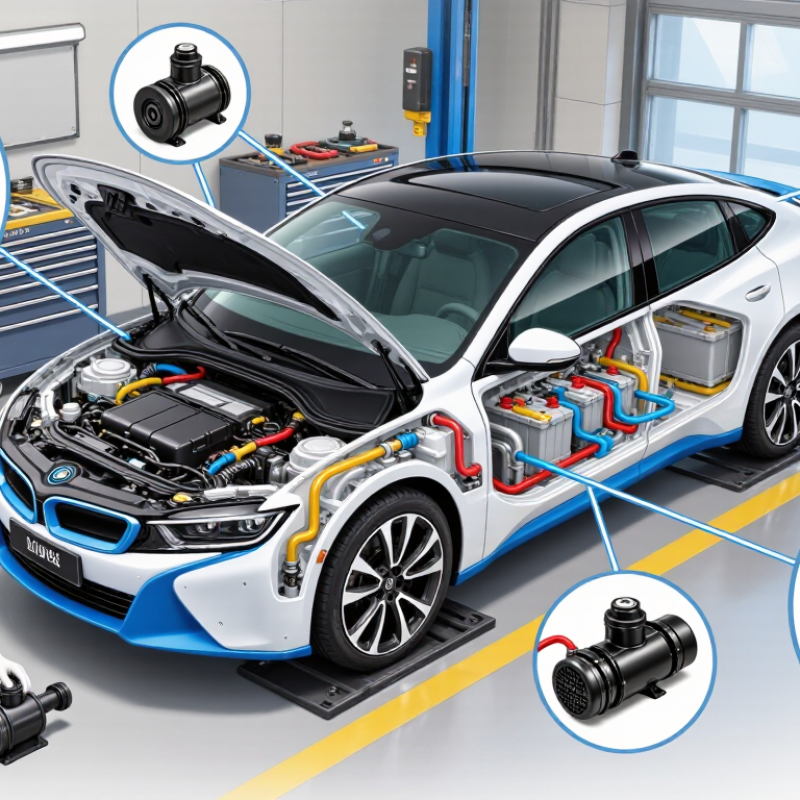
How to Maintain a Hybrid Vehicle Cooling System?

Hybrid Vehicle Cooling System Components and Their Functions

A hybrid vehicle usually has several cooling circuits, not one. The engine radiator removes heat from the combustion engine. A separate loop may cool the battery, inverter, converter, and electric motor. These components create heat during charging, acceleration, and regenerative braking. Electric coolant pumps move fluid through narrow passages. Thermostatic valves control flow between circuits. Heat exchangers transfer heat without mixing different fluids. Sensors monitor temperature and help the control system adjust pump speed and airflow.

Regular inspection protects these parts. Check the reservoir when the system is cold. The coolant should sit between the marked levels. Look for wet spots near hoses, pumps, radiator seams, and electrical components. A sweet smell inside the engine bay may signal a leak. Do not open a hot reservoir. Severe burns can happen quickly. Use the specified coolant type and correct mixture. Mixing unsuitable fluids can damage seals or reduce heat transfer. In my experience, small leaks are easy to dismiss. That mistake becomes expensive when battery temperatures rise. Still, a visual check cannot detect every internal fault.

Tips:

Keep the radiator opening free from leaves and mud. Watch for temperature warnings, reduced electric power, or unusual pump noise. Replace weak hoses before they split. Have the cooling system pressure-tested by a qualified technician. Ask for fault-code readings when warning lights appear. Maintenance records help reveal repeated temperature problems. Be careful with assumptions; a quiet vehicle can still have poor coolant circulation.

How to Check Coolant Levels and Inspect Cooling System Parts

How to Maintain a Hybrid Vehicle Cooling System?

Check the vehicle only when the engine and coolant are completely cold. Locate each reservoir, because many hybrid vehicles use separate circuits for the engine and power electronics. The coolant should sit between the “Low” and “Full” marks. A falling level needs attention, even without a warning light. The U.S. Department of Energy’s Vehicle Technologies Office identifies thermal management as essential for battery performance and service life. Argonne National Laboratory guidance commonly places lithium-ion batteries near 15–35°C for efficient operation.

Inspect the radiator, hoses, clamps, water pump area, and cooling fans. Look for white or colored residue, wet spots, cracked rubber, or a sweet smell. Check beneath the vehicle after parking overnight. A clean driveway can reveal a small leak. Never remove a hot pressure cap. Use gloves and follow the specified coolant type. Mixing incompatible formulas may weaken corrosion protection. I used to focus only on the reservoir level. That was incomplete. A normal level can hide restricted airflow or a failing pump. Service records also matter, since coolant replacement intervals vary by system design and operating conditions.

Tips: Photograph the reservoir before adding fluid. Mark the level and date. After a short drive, recheck the system when cold. If the level drops again, stop driving and request a pressure test. The 2024 U.S. EPA Automotive Trends Report shows modern vehicles increasingly rely on complex efficiency technologies, making trained inspection more valuable than guesswork.

How to Clean Radiators, Vents, and Cooling Airflow Paths

How to Maintain a Hybrid Vehicle Cooling System?

Hybrid cooling systems protect the engine, inverter, battery, and cabin electronics. The International Energy Agency reported nearly 14 million electric car sales in 2023, representing about 18% of global car sales. This growth makes practical thermal maintenance increasingly important. Dirty airflow paths can restrict heat release, especially during slow traffic or hot weather.

Begin with a cool vehicle and wear eye protection. Remove leaves, insects, and road dust from the radiator grille using a soft brush or low-pressure air. Work from the cleaner side outward. High-pressure water can bend delicate fins or force debris deeper inside. Inspect the radiator, condenser, and battery cooling vents with a flashlight. A thin grey mat is easy to miss.

Clean cabin and battery intake filters according to the service schedule. A clogged filter makes the cooling fan work harder. Listen for unusual cycling, rattling, or delayed fan operation. The U.S. Department of Energy identifies thermal management as important for battery performance, energy use, and component durability. However, I would not treat every airflow problem as a failed battery system. I once overlooked a blocked lower vent because the grille looked clean. That mistake changed my inspection routine. Check behind panels, under seats, and near rear vents where dust quietly accumulates. Keep water away from electrical connectors, and stop if warning messages appear. Specification matters more than guesswork.

How to Maintain a Hybrid Vehicle Cooling System? - How to Clean Radiators, Vents, and Cooling Airflow Paths

Cooling System Area Recommended Frequency Cleaning or Inspection Method Normal Condition Warning Signs Important Precautions
Engine radiator fins Inspect every 12 months or 12,000–15,000 miles Remove loose debris with a soft brush or low-pressure air. Rinse from the clean side toward the dirty side using a gentle water stream. Fins are open, reasonably straight, and free of heavy dust, insects, leaves, and oily residue. Restricted airflow, bent or packed fins, visible coolant residue, or rising engine temperature. Never use a high-pressure jet directly on the fins. Allow the engine and radiator to cool before cleaning.
Air-conditioning condenser Inspect during annual cooling-system service Check the front-facing surface for leaves, road film, and insect buildup. Use a soft detailing brush and low-pressure air or water. Clean fins with unobstructed airflow and no signs of refrigerant oil or impact damage. Weak air-conditioning performance, excessive fan operation, or oily marks near the condenser. Do not bend the fins or release refrigerant. Refrigerant-system repairs require suitable equipment and qualified service.
Hybrid battery cooling intake Inspect every 6–12 months; more often in dusty or pet-hair environments Locate the cabin-side intake, remove the grille if permitted, and vacuum dust and hair with a soft brush attachment. The grille is unobstructed, clean, and able to draw cabin air without unusual fan noise. Battery cooling fan runs loudly or frequently, a temperature warning appears, or performance is reduced in hot weather. Do not spray liquid into the intake or disassemble the high-voltage battery enclosure.
Battery cooling duct and airflow path Check when the intake is serviced or if fan noise changes Inspect accessible duct openings for blockage. Use a vacuum only where the service procedure allows and avoid pushing debris deeper into the duct. Ducts are secure, dry, and free of loose objects, lint, pet hair, and collapsed insulation. Uneven airflow, rattling, overheating alerts, or a persistent cooling-fan fault. Follow the vehicle service procedure before removing interior panels near high-voltage components.
Engine coolant level Check when cold at least once per month and before long trips Park on a level surface and compare the level with the cold-fill markings on the reservoir. Level remains between the specified cold minimum and maximum marks with no visible contamination. Repeated loss of coolant, low-level warning, wet areas, sweet odor, or overheating. Never open a pressurized reservoir or radiator cap while hot. Use only the coolant type and mixture specified for the vehicle.
Inverter or power-electronics coolant circuit Inspect at the scheduled service interval; check sooner after warning messages Check the dedicated reservoir, hoses, connections, and visible coolant circulation where applicable. Correct fluid level, dry connections, and no persistent bubbles or unexplained temperature warnings. Reduced power, hybrid-system warning, inverter temperature alert, or repeated low coolant level. Some systems require a specific bleeding procedure. Use trained service personnel if the circuit must be opened.
Cooling fans and shrouds Inspect annually and whenever abnormal noise occurs Check for leaves and debris around the fan shroud. Confirm that the fan can operate without rubbing, vibration, or grinding noise. Fan blades are intact, the shroud is secure, and airflow changes normally with temperature demand. Grinding, vibration, failure to run, continuous operation, or repeated overheating. Fans may start automatically even when the vehicle is switched off. Keep hands and tools clear.
Cabin air filter and HVAC intake Replace or inspect every 12–24 months, depending on driving conditions Inspect the filter for dust, leaves, mold, and deformation. Clean the intake grille without allowing debris into the HVAC housing. Filter media is clean enough to maintain steady airflow without odor or excessive blower noise. Weak airflow, window fogging, musty odor, or increased blower noise. Install the filter in the correct airflow direction and keep water away from electrical connectors.
Coolant hoses, clamps, and reservoirs Inspect every 12 months or during coolant service Look for cracks, swelling, abrasion, loose clamps, staining, and hardened hose sections. Hoses are flexible but firm, connections are dry, and reservoirs are free from cracks. Coolant stains, soft or swollen hoses, visible cracks, or unexplained fluid loss. Do not tighten or remove components on a hot, pressurized system. Replace damaged parts promptly.
Airflow under the vehicle Inspect after driving through deep water, mud, snow, or heavy road debris Check lower grilles, air deflectors, splash shields, and underbody panels for blockage or damage. Openings and deflectors are secure, clean, and able to guide air through the cooling areas. Loose panels, blocked lower openings, overheating in traffic, or unusual underbody noise. Do not work beneath an unsupported vehicle. Use approved lifting equipment and follow safe high-voltage precautions.
Safety note: Turn the vehicle off, remove the key or keep the key away from the vehicle, and allow hot components to cool before cleaning. If a hybrid-system, battery-temperature, inverter-temperature, or overheating warning appears, stop driving when safe and seek qualified service.

How to Monitor Temperature, Warning Signs, and System Performance

How to Maintain a Hybrid Vehicle Cooling System?

A hybrid cooling system may serve the engine, inverter, battery, or several circuits. Monitor each area, not only the dashboard gauge. Check coolant levels when the vehicle is fully cold. The level should sit between the marked lines. Record the date and level in a simple maintenance log. Small changes can reveal a slow leak before serious damage occurs. A scan tool can also show temperature data that the dashboard does not display.

Watch for warning signs. A temperature warning, reduced power, unusual fan noise, or repeated fan operation deserves attention. Sweet-smelling vapor, damp spots, and dried coolant marks around hoses are also important clues. The cabin heater may blow cold air when coolant circulation is poor. Do not open a hot reservoir. Let the system cool completely. Then inspect it carefully. Never rely on one symptom alone.

Keep cooling vents and battery air filters free from dust, hair, and luggage. Restricted airflow can raise battery temperature during traffic or steep climbs. Check radiator fins for blocked debris, but avoid bending them with strong water pressure. A weekly inspection helps, though it is not perfect. Temperature changes depend on weather, load, and driving style. If the warning returns, coolant disappears, or performance drops, arrange professional testing. Ask for stored fault codes, pump operation, fan performance, and temperature readings. Guessing can become expensive.

When to Service or Replace Hybrid Cooling System Components

A hybrid vehicle often uses separate cooling circuits for the engine, power electronics, and battery. That detail matters. Each circuit may have its own pump, hoses, reservoir, and temperature sensors. Service should follow the vehicle’s maintenance schedule, but real driving conditions also deserve attention. Frequent short trips, heavy traffic, dust, and extreme temperatures can shorten coolant life.

Inspect the coolant level only when the system is cold. The fluid should look clean and remain between the marked lines. Low levels, stains near hose joints, or a sweet smell may indicate a leak. A qualified technician should test coolant condition, inspect electric pumps, and check stored temperature faults with suitable diagnostic equipment. Never open a hot reservoir. High-voltage areas require proper isolation procedures.

Replace coolant when testing shows contamination, the service interval has expired, or the wrong fluid was added. Replace a hose if it feels swollen, cracked, soft, or unusually hard. A noisy pump, repeated overheating warning, or uneven battery temperature may require pump replacement. Do not replace parts based on noise alone. I have seen harmless vibration mistaken for pump failure, while a small leak was ignored for months. That was an expensive lesson. Keep dated service records, including coolant type and measured fault codes. If a warning returns after service, reassess the diagnosis instead of repeatedly clearing the code.

How to Maintain a Hybrid Vehicle Cooling System?

A 50/50 coolant mixture is commonly used for balanced freeze protection and heat transfer. Inspect the engine and inverter cooling circuits for low level, leaks, corrosion, pump noise, or warning messages. Replace coolant according to the vehicle-specific service schedule or sooner if it is contaminated or degraded. Mixtures above 60% glycol can reduce heat-transfer performance.

FAQS

Why does a hybrid vehicle need several cooling circuits?

The engine, battery, inverter, converter, and electric motor produce heat. Separate circuits control different temperature needs. Electric pumps move coolant through narrow passages. Heat exchangers transfer heat without mixing fluids.

When should coolant levels be checked?

Check every reservoir only when the engine and coolant are completely cold. The level should remain between “Low” and “Full.” Many vehicles have more than one reservoir. Photograph the level and date before adding fluid.

What signs may indicate a coolant leak?

Look for wet spots, colored residue, cracked hoses, or stains near clamps. Check beneath the vehicle after parking overnight. A sweet smell may also signal leakage. Small leaks are easy to dismiss.

Is a normal coolant level enough to confirm system health?

No. A normal level can hide restricted airflow, a weak pump, or an internal fault. I once focused only on reservoir levels. That inspection was incomplete.

What parts should be inspected regularly?

Inspect hoses, clamps, radiators, pumps, cooling fans, reservoirs, and electrical cooling components. Keep radiator openings free from leaves and mud. Check for swollen, soft, cracked, or unusually hard hoses.

Can different coolant types be mixed?

Use only the specified coolant type and mixture. Incompatible fluids may weaken corrosion protection or damage seals. Incorrect mixing can also reduce heat transfer. A cheap shortcut may create expensive repairs.

When should a cooling system receive professional testing?

Request testing when levels keep dropping, warnings return, or coolant appears contaminated. A qualified technician can perform a pressure test. Diagnostic readings may reveal stored temperature faults. Guesswork is unreliable here.

When might a cooling component need replacement?

Replace coolant after contamination, an expired interval, or incorrect fluid addition. Replace damaged hoses before they split. A noisy pump or repeated overheating warning may require pump testing. Noise alone does not prove failure.

What driving conditions can shorten coolant service life?

Frequent short trips, heavy traffic, dust, and extreme temperatures increase thermal stress. These conditions may shorten coolant life. Service records help identify repeated temperature problems.

What safety precautions matter during inspection?

Never open a hot reservoir or pressure cap. Severe burns can happen quickly. Use gloves and follow isolation procedures near high-voltage components. Stop driving if coolant drops again.

Conclusion

How to maintain the cooling system in hybrid vehicles? Start by understanding the main components, including the engine radiator, electric-drive cooling circuit, coolant reservoir, pumps, fans, hoses, and airflow vents. Regularly check coolant levels when the system is cool, inspect hoses and connections for leaks or damage, and confirm that reservoirs and caps remain in good condition. Use only the correct coolant type recommended for the vehicle and avoid mixing incompatible fluids.

Keep radiators, vents, and cooling airflow paths clean by removing dust, leaves, and debris that may restrict heat transfer. Monitor temperature readings, warning lights, unusual fan activity, reduced performance, or unexpected odors, as these may indicate overheating or circulation problems. If coolant levels fall repeatedly, temperatures rise, or components show corrosion, arrange professional service. Pumps, fans, thermostats, sensors, hoses, and other parts should be repaired or replaced when worn to maintain safe, efficient hybrid operation.

Isabella

Isabella

Isabella is a dedicated marketing professional with a sharp focus on driving brand growth and engagement through strategic content creation. With an extensive background in digital marketing, she combines her passion for storytelling with her keen understanding of industry trends to deliver......