Understanding the reason behind engine overheating issues can be frustrating. Many car owners often wonder, "Why is my engine overheating despite a new radiator?" This question highlights a common dilemma faced after upgrading vehicle cooling systems. A new radiator promises improved cooling efficiency, but sometimes engines still run hot.
Several factors might contribute to this unexpected problem. First, air pockets could form in the cooling system during installation. These air pockets can obstruct coolant flow, leading to overheating. Additionally, it's easy to overlook the condition of other components like the thermostat or hoses. These parts must properly function for the cooling system to work effectively.
In some cases, the radiator itself might be defective. A faulty radiator, despite being new, can lead to inadequate heat exchange. Therefore, diagnosing the root cause requires careful examination. By exploring these potential issues, engine overheating can be resolved, ensuring optimal vehicle performance.
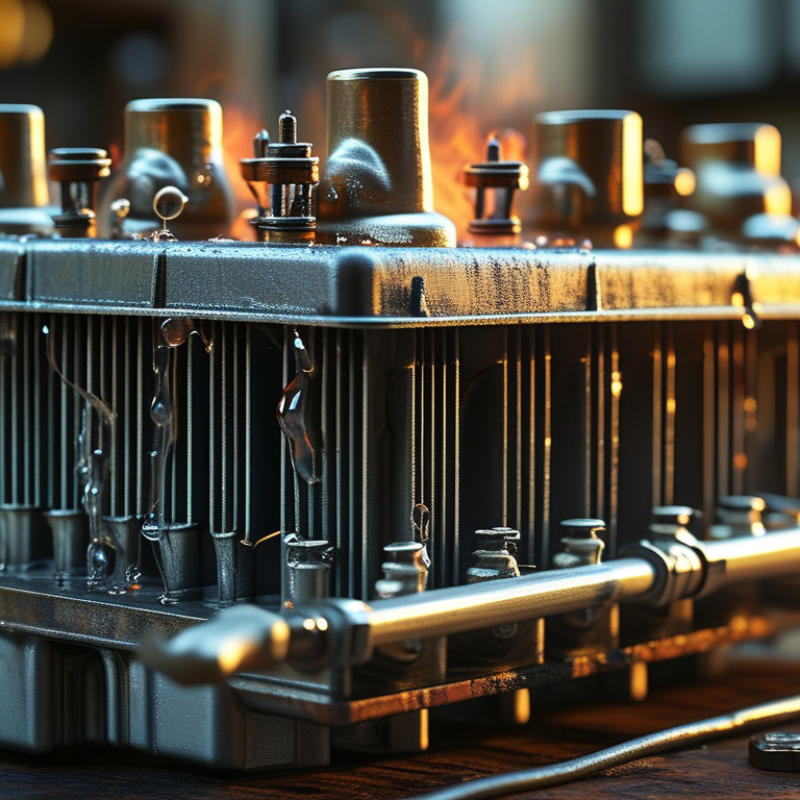
Installing a new radiator can rejuvenate your engine's cooling system. However, overheating issues may arise post-installation. Understanding the common causes is essential for troubleshooting.
One frequent problem is improper installation. If hoses are not secured, coolant leakage can occur. This leads to insufficient coolant levels. Always double-check connections while ensuring clamps are tightened. Furthermore, ensure the radiator cap is properly sealed.
Another possible cause is the mixing of coolant types. Using incompatible coolant can affect thermal efficiency. Check your coolant specifications before adding anything. Additionally, air pockets may form after installation, disrupting the coolant flow. Bleed the system to remove these pockets.
If the thermostat is faulty, overheating can happen. A stuck or malfunctioning thermostat may prevent proper coolant circulation. It's wise to inspect it during radiator installation. Keep an eye on your temperature gauge frequently. Addressing these issues early can save you from costly repairs later.
Installing a new radiator can be straightforward, but it's crucial to follow specific steps to avoid issues like overheating. Start by ensuring the engine is cool before you begin. Drain the old radiator fluid thoroughly, as any remnants can lead to mixing and inefficiencies. Carefully disconnect the hoses and unscrew the radiator from its mounting. Pay attention to the orientation of each connection, as mistakes here can create leaks or improper flow.
When installing the new radiator, double-check the alignment. Every hose and bolt should fit snugly. If hoses don't connect easily, you might have positioned them incorrectly. Ensuring a tight seal helps prevent leaks that could cause overheating. After securing everything, fill the new radiator with the right coolant mixture. Be sure to bleed the system to remove air pockets. Ignoring this step could trap air, leading to hot spots and overheating, even with a new radiator.
Always monitor the engine after installation. Look for any signs of leaks or unusual temperature readings. If the engine still overheats, it may indicate another underlying issue. Don't overlook the water pump or thermostat. Reflect on your installation process to identify any missed steps. Each small detail can make a significant difference in your engine's performance.
When installing a new radiator, improper installation can lead to overheating issues. One obvious sign is coolant leaks. If you notice puddles under your vehicle, it points to poor connections. Loose clamps or failed gaskets could be the culprits. Always check the mounting points to ensure they are secure.
Another indicator is the temperature gauge. If it consistently reads higher than normal, the radiator may not be functioning properly. Lack of airflow can also cause overheating. Ensure the fan is connected and operational. Obstructions around the radiator can hinder airflow, impacting performance.
Lastly, air bubbles in the cooling system can contribute to overheating. If the system isn't properly bled, air can trap heat. Regular maintenance is essential for the longevity of your vehicle. Monitor for these signs closely. Remember, reflection on your installation process is important. Identifying what went wrong can save you from future headaches.
This chart illustrates the percentage of common issues that may cause engine overheating problems after the installation of a new radiator. Regularly checking these factors can help maintain optimal engine performance.
Coolant levels play a crucial role in managing engine temperature. After installing a new radiator, many drivers experience overheating issues. This problem often stems from improper coolant levels. If your coolant is too low, it can't absorb heat effectively. This leads to increased engine temperatures.
Ensure your coolant reservoir is filled to the appropriate level. Check it visually and add coolant if needed. Flushing the old coolant can also help. Old coolant may contain debris or contaminants. These can hinder the new radiator's performance.
If the system is not properly bled, air pockets can form. Air trapped in the cooling system creates hot spots and can lead to overheating. Always bleed the system after any radiator work. Monitor your engine temperature closely during this process.
Regular checks are necessary for your vehicle. Aim to inspect coolant levels at least once a month. Make adjustments whenever you notice a drop. Pay attention to any leaks or strange smells. They could indicate deeper issues that need addressing.
When diagnosing overheating issues after installing a new radiator, a systematic approach is vital. Start with assessing the coolant level and condition. Research shows that nearly 30% of overheating cases stem from improper coolant fill during installations. Ensure there are no air pockets, which can impede coolant flow. Use a pressure gauge to evaluate your system’s integrity. Low pressure could indicate a leak or seal failure.
Next, review the thermostat's functionality. A faulty thermostat can prevent the engine from cooling effectively. According to industry reports, malfunctioning thermostats contribute to overheating in about 20% of vehicles. Additionally, examine the radiator hoses for blockages or damage. As a general rule, hoses should not feel soft or cracked. They should be firm to the touch.
Don’t forget to consider the engine fan. If the fan isn’t operating, your engine is at risk. Studies indicate that 15-18% of overheating incidents occur due to fan failures. It’s crucial to observe the fan operation during both idle and higher speeds. Addressing these areas promptly can prevent further engine damage and costly repairs. Every component plays a role in maintaining optimal engine temperatures.
: Improper installation can lead to overheating. Always check connections and seals.
Ensure hoses are secured and clamps are tightened. Double-check all connections.
Mixing coolants can reduce thermal efficiency. Always verify coolant specifications before adding.
Air pockets can disrupt coolant flow and cause overheating. Bleed the system to remove them.
Check the thermostat to ensure it functions correctly. It affects coolant circulation.
Look for coolant leaks and an unusually high temperature gauge reading.
Lack of airflow may cause overheating. Ensure the fan works and avoid obstructions.
Reflect on your installation steps. Consider issues with the water pump or thermostat.
Watch for leaks and unusual temperature readings. Regular checks can prevent future problems.
Identifying mistakes can highlight areas for improvement. It helps enhance engine performance.
If you find yourself asking, "Why is my engine overheating despite a new radiator?" there are several potential causes to consider. Common issues could stem from improper installation, such as inadequate sealing or incorrectly routed hoses, which can impede coolant flow. Additionally, low coolant levels or air pockets within the system can lead to overheating problems even after a new radiator has been installed.
To ensure the new radiator operates correctly, it's essential to follow proper installation steps, monitor coolant levels closely, and be aware of signs indicative of improper installation. Utilizing diagnostic tools can also help identify whether the overheating stems from the radiator replacement or other engine-related issues. By addressing these factors, you can effectively manage and resolve your engine overheating concerns.

Rock Auto