What is the Difference Between a Radiator and a Condenser?

Time:2026-07-13 Author:Madeline
0%

In the world of automotive engineering, understanding the components of a vehicle is crucial. One key question often arises: "What is the difference between a radiator and a condenser?" According to James Anderson, an expert in HVAC systems, "The radiator and condenser serve different functions, yet both are vital in maintaining a vehicle's performance."

The radiator primarily dissipates heat from the engine coolant, ensuring optimal operating temperatures. In contrast, the condenser condenses refrigerant vapor into liquid form, playing an essential role in the vehicle's air conditioning system. This distinction is not always clear to many, leading to confusion.

Both components work in harmony to enhance efficiency. However, without a solid understanding of their unique roles, one might overlook their importance. This can result in vehicle overheating or malfunctioning AC systems. It is worth reflecting on how a lack of knowledge could lead to costly repairs. The complexity of these systems requires expertise for proper maintenance and repair, highlighting the significance of this inquiry.
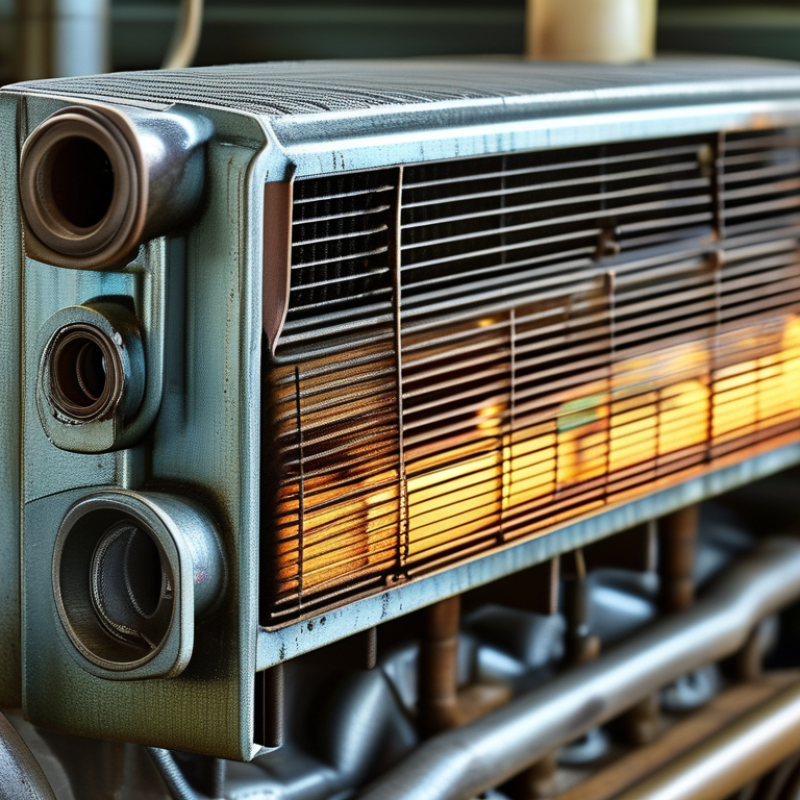
What is the Difference Between a Radiator and a Condenser?

Differences in Functionality: Radiator vs. Condenser

The main difference between a radiator and a condenser lies in their functionality. A radiator is designed to dissipate heat from a fluid, usually in an engine or HVAC system. In contrast, a condenser converts gas into a liquid by removing heat from the vapor. According to industry reports, radiators typically operate at temperatures between 80-100°C, while condensers often function at much lower temperatures, around 30-50°C. This temperature variance is critical in understanding how each component contributes to overall system efficiency.

Tip: Always ensure your radiator is free of debris. A clogged radiator can lead to inadequate cooling. This can cause the engine to overheat and affect performance.

While both components contribute to thermal management, their roles are distinct. Radiators handle the engine or system's excess heat, while condensers play a key role in refrigeration cycles. Interestingly, maintenance actions differ greatly between them. Regular checks of fluid levels in radiators are vital. Neglecting these checks could lead to overheating issues. In contrast, condensers require inspection of their coils for dirt and corrosion.

Tip: Schedule regular maintenance. This can prevent costly repairs down the line.

Key Components: Structure of Radiators and Condensers

Radiators and condensers serve distinct roles in thermal management systems, but their structures reveal interesting similarities and differences. Radiators, commonly found in vehicles, use metal fins to dissipate heat. They typically consist of a core with multiple tubes through which coolant flows. This core maximizes surface area for better heat exchange. Radiators also have inlet and outlet ports for fluid circulation. Their design can vary, but most share a robust structure that withstands high temperatures and pressures.

Condensers, on the other hand, are often used in refrigeration and air conditioning systems. They are designed to transform refrigerant from a gas to a liquid state. A condenser usually features coils made of copper or aluminum to enhance thermal conductivity. The refrigerant passes through these coils, where it releases heat to the surrounding environment. Unlike radiators, condensers may be air-cooled or water-cooled, depending on system requirements. Their structure focuses on compactness and efficiency, which sometimes leads to complex designs that can be challenging to maintain.

Both components require regular maintenance to function effectively. Corrosion or blockages in either can reduce efficiency. Despite their differences, their roles are interconnected in many systems. Understanding these components' structures helps in troubleshooting and improving system performance.

What is the Difference Between a Radiator and a Condenser? - Key Components: Structure of Radiators and Condensers

Component Primary Function Structure Fluid Type Typical Applications
Radiator Heat dissipation Aluminum or copper fins and tubes Water or coolant Automobiles, HVAC systems
Condenser Gas to liquid phase change Coils or plates for heat exchange Refrigerant Air conditioning, refrigeration systems

Heat Exchange Processes: How Each System Operates

Radiators and condensers play vital roles in heat exchange systems, yet they function differently. A radiator typically operates by transferring heat from a fluid—such as water or coolant—into the air. It relies on convection to distribute warm air. In contrast, a condenser cools a vapor into a liquid state. It uses a different approach, primarily involving heat rejection from refrigerants. This basic distinction creates unique operational dynamics.

The heat exchange process varies significantly between these two systems. In a radiator, hot fluid enters, heats the surrounding air, and then circulates back. The air warms up rapidly, often creating a cozy environment. However, radiators may lead to uneven heating in larger spaces. On the other hand, a condenser releases heat to the outside environment, allowing refrigerants to cool and condense. This process is essential in HVAC systems, but improper design can result in inefficiencies.

Understanding these functions is crucial for optimizing performance. Radiators can sometimes overheat or not distribute heat evenly. Meanwhile, condensers need sufficient airflow to work effectively. Each system has its challenges and strengths. Reflecting on these differences can lead to better maintenance practices and improved system efficiency over time.

Comparison of Heat Exchange Efficiency: Radiator vs Condenser

Applications in Automotive and HVAC Industries

In the automotive and HVAC industries, radiators and condensers serve distinct roles. Radiators primarily dissipate heat from the engine coolant, ensuring the vehicle operates at optimal temperatures. In contrast, condensers convert refrigerant gas back into a liquid form by releasing heat. This process is vital for air conditioning systems, whether in cars or buildings.


Understanding the applications of these components is crucial for efficient operation. In cars, a radiator cools the engine, while the condenser removes heat from the refrigerant. HVAC systems rely on condensers to cool air before it circulates indoors. Choosing the right component impacts performance and longevity.


Tips: Regular maintenance is essential. Check for leaks and blockages in both systems. Cleaning the radiator and condenser ensures optimal heat exchange. Avoid neglecting these components, as they play critical roles in preventing overheating and ensuring comfort.

Observing how they function can lead to better diagnostics and repairs.

Maintenance and Performance Considerations for Both Systems

Maintaining radiators and condensers is critical for optimal performance. Both serve distinct functions in systems like HVAC and automotive. However, they require different upkeep methods. A recent study indicates that neglecting maintenance can reduce efficiency by up to 30%. Regular inspection is necessary for both.

Radiators often collect dirt and debris. This buildup can lead to overheating. A simple flush might solve minor problems. However, severe corrosion may require a replacement. On the other hand, condensers are susceptible to refrigerant leaks. The Environmental Protection Agency reported that leaks can reduce system efficiency by nearly 20%. A routine check for refrigerant levels is essential.

Both systems benefit from annual professional servicing. This ensures proper airflow and fluid levels. Ignoring maintenance can lead to costly repairs. The difference in their functions also means that strategies for improvement must vary. Understanding these nuances can help prevent downtime and extend the lifespan of both systems.

FAQS

: What is the primary function of a radiator?

: A radiator dissipates heat from a fluid in an engine or HVAC system.

How does a condenser differ in functionality?

A condenser converts gas into liquid by removing heat from the vapor.

What temperatures do radiators typically operate at?

Radiators usually function between 80-100°C for effective heat dissipation.

What is the operating temperature range for condensers?

Condensers typically operate at much lower temperatures, around 30-50°C.

Why is regular maintenance important for radiators?

Regular checks can prevent overheating and performance issues caused by debris buildup.

What maintenance actions are necessary for condensers?

Inspecting coils for dirt and corrosion ensures the efficient operation of condensers.

What can happen if radiator maintenance is neglected?

Neglect can lead to overheating issues, reducing performance and efficiency.

How can refrigerant leaks in condensers affect system efficiency?

Refrigerant leaks can reduce efficiency by nearly 20%, impacting cooling performance.

What is a simple solution for minor radiator problems?

A simple flush can solve minor issues caused by dirt accumulation.

How often should both components be inspected?

Regular inspections, ideally annually, can help maintain optimal performance and longevity.

Conclusion

The article "What is the Difference Between a Radiator and a Condenser?" explores the fundamental distinctions between these two essential components in cooling systems. While both serve to manage heat, their functionalities differ significantly; radiators primarily dissipate heat from the engine coolant in automobiles, whereas condensers facilitate the conversion of refrigerants in HVAC systems.

In terms of structure, radiators and condensers comprise different key components, tailored for their specific roles in heat exchange processes. The article further delves into their operational mechanisms, highlighting how each system effectively manages thermal energy. Moreover, it addresses their applications across automotive and HVAC industries and underscores the importance of maintenance and performance considerations to ensure optimal functionality of both systems. Understanding these differences is crucial for effective system design and repair.

Madeline

Madeline

Madeline is a dedicated marketing professional with a wealth of expertise in our company's core offerings. With a keen understanding of the industry, she brings a unique perspective to her role, consistently delivering high-quality content that highlights the superior aspects of our products. As......