How does a car intercooler boost engine horsepower?

Time:2026-05-05 Author:Madeline
0%

In the automotive industry, understanding "How does a car intercooler increase engine horsepower?" is crucial. An intercooler cools the air entering the engine. Cooler air is denser. Denser air contains more oxygen, leading to improved combustion. Studies show that a well-functioning intercooler can improve engine efficiency by up to 20%.

However, not all intercoolers are created equal. Factors like size, design, and placement can impact performance. Some drivers may overlook these details. This might lead to suboptimal horsepower gains. A poorly designed system can even restrict airflow, reducing benefits.

The performance gains from intercoolers are backed by data from OEM studies and independent testing. Increased horsepower not only enhances driving dynamics but also improves fuel efficiency. Drivers who seek better performance should consider upgrading their intercooler system carefully. The potential is great, but so are the risks of poor decisions.
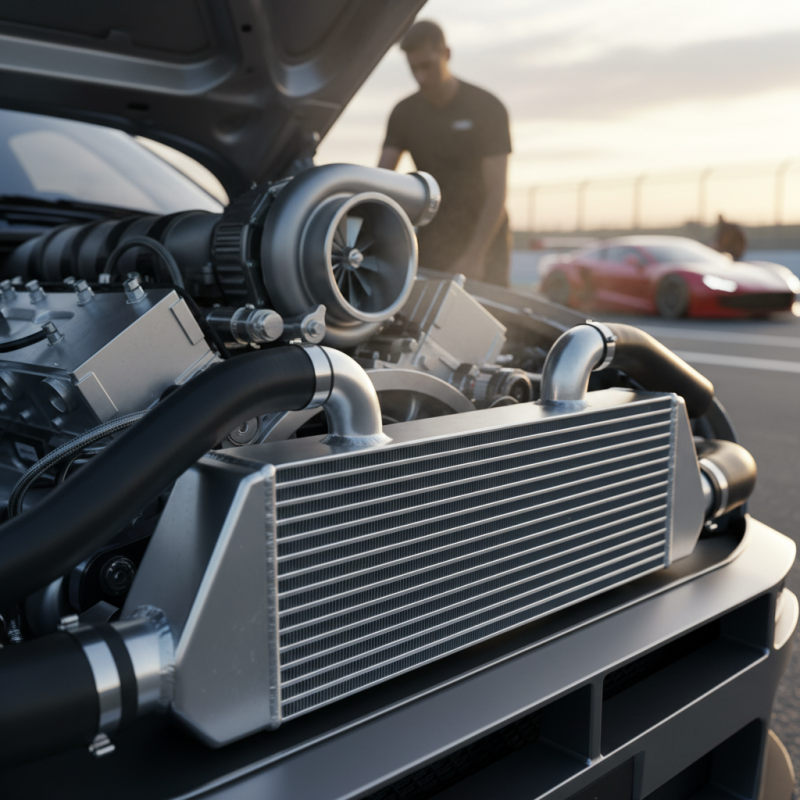
How does a car intercooler boost engine horsepower?

What is a Car Intercooler and Its Function in Engine Performance?

A car intercooler is a crucial component in turbocharged and supercharged engines. Its primary function is to cool the air entering the engine after it has been compressed. When air is compressed, it heats up significantly. Hot air is less dense and contains less oxygen, which can hinder engine performance. The intercooler helps mitigate this issue by lowering the air temperature before it enters the combustion chamber.

By utilizing either air-to-air or air-to-water cooling methods, intercoolers can efficiently reduce intake temperatures. A well-functioning intercooler enhances engine horsepower by ensuring that cooler, denser air is available for combustion. This process allows for more fuel to be burned, resulting in increased power output. However, not all intercoolers are created equal. Some designs may struggle to provide adequate cooling, especially in high-performance situations.

Choosing the right intercooler can be complex. Factors such as size, material, and airflow dynamics affect its overall effectiveness. For instance, an oversized intercooler might lead to lag, as it takes time for the airflow to pass through. Additionally, installation errors can negate the benefits of an intercooler. Regular maintenance is also essential; dirt and debris can reduce its efficiency over time. Understanding these nuances is an important aspect of maximizing engine performance.

How Does an Intercooler Lower Air Temperature and Increase Density?

Intercoolers play a crucial role in enhancing engine performance. By lowering the temperature of compressed air, they increase its density. Denser air contains more oxygen, which can lead to better combustion and, ultimately, increased horsepower. A study by the Society of Automotive Engineers noted that cooler intake temperatures can improve engine efficiency by up to 10%.

When air is compressed in a turbocharger or supercharger, its temperature rises. This hot air can negatively affect performance. An intercooler absorbs heat from the compressed air, often utilizing ambient air or coolant to achieve this. It can reduce intake temperatures by as much as 50°F to 100°F. This cooling effect allows the engine to produce more power without the risk of knock.

While intercoolers are effective, their design and placement can impact their efficiency. Factors such as airflow around the intercooler and the materials used can lead to varying results. For instance, poorly designed systems may lead to pressure drops that negate some benefits. Engineers must balance size, weight, and cooling efficiency. Achieving the right setup often involves iterative testing and modifications.

The Relationship Between Air Density and Engine Horsepower Output

The relationship between air density and engine horsepower is crucial for understanding performance enhancements. Air density directly influences how much oxygen enters the engine. Higher air density allows for better combustion, leading to increased horsepower. When temperatures drop, air becomes denser. This denser air contains more oxygen, resulting in a more potent fuel mixture.

Intercoolers play a significant role in managing air density. They cool the air entering the engine, reducing its temperature and increasing density. This cooling effect enhances combustion efficiency. However, the effectiveness of an intercooler can vary. If not sized correctly or placed in a suitable location, it may not achieve optimal performance.

Using an intercooler is not just about gaining horsepower. It requires thoughtful consideration of the entire engine setup. Some enthusiasts overlook the balance of other components, leading to issues. A well-planned intercooler installation can yield impressive results, but it demands time and expertise.

Types of Intercoolers: Air-to-Air vs. Air-to-Water Explained

Intercoolers play a crucial role in enhancing engine performance. They cool the air compressed by the turbocharger or supercharger. Cooler air is denser and oxygen-rich. This leads to more efficient combustion, ultimately boosting horsepower.

There are two main types of intercoolers: air-to-air and air-to-water. Air-to-air intercoolers use ambient air to cool the intake charge. They are simpler and more common. However, their effectiveness can vary with environmental conditions. On the other hand, air-to-water intercoolers use water to cool the air. They perform consistently, regardless of air temperature. Yet, they require a bit more maintenance and complexity.

Both types have their pros and cons. Users may prefer one over the other based on their specific needs. Understanding the differences helps car enthusiasts make informed decisions. It's important to consider factors like installation space and cooling efficiency when choosing an intercooler. Each choice carries its own set of challenges and rewards. A proper selection can significantly impact vehicle performance.

How does a car intercooler boost engine horsepower?

Intercooler Type Cooling Method Horsepower Gain (%) Typical Applications
Air-to-Air Passively cools air using ambient air flow 10-30% Street performance, turbocharged vehicles
Air-to-Water Uses water/antifreeze mixture for cooling 15-40% Racing, high-performance applications
Liquid-to-Air Utilizes a liquid refrigerant for enhanced cooling 20-50% Specialty race cars, highly modified engines

The Impact of Increased Airflow on Turbocharged and Supercharged Engines

An intercooler plays a vital role in enhancing engine performance, especially in turbocharged and supercharged engines. By cooling the compressed air before it enters the combustion chamber, the intercooler increases engine efficiency. Cooler air is denser, allowing for more oxygen in the combustion process. This leads to higher horsepower and torque outputs. The relationship between increased airflow and engine power is crucial for performance enthusiasts.

For those looking to improve their vehicle's performance, consider regular maintenance on your intercooler. Clean the intercooler often to remove grime and debris. Ensure that the piping is free of leaks for optimal airflow. A well-maintained intercooler contributes to better engine performance.

Also, be mindful of the intercooler size. While larger units can improve cooling, they may adversely affect airflow pathways. This can lead to turbo lag. Balance is key. Experiment with different setups to find what works best for your engine. Remember, a small tweak can yield significant results, but it’s essential to monitor changes closely.

FAQS

: What is the purpose of a car intercooler?

: The intercooler cools compressed air before it enters the engine. Cooler air enhances engine performance by improving combustion efficiency.

How does air density affect engine horsepower?

Higher air density allows more oxygen in the engine. This leads to better combustion, increasing horsepower effectively.

What factors should be considered when choosing an intercooler?

Size, material, and airflow dynamics are crucial. An oversized intercooler can cause airflow lag, impacting performance negatively.

How can maintenance improve intercooler efficiency?

Regular cleaning removes dirt and debris. Ensuring pipes are leak-free promotes optimal airflow, enhancing engine performance.

Can the installation of an intercooler affect its performance?

Yes, incorrect installation can negate benefits. Both size and placement matter for the intercooler's effectiveness in cooling air.

What is a common mistake made by car enthusiasts regarding intercoolers?

Overlooking the balance of other engine components can lead to performance issues. It is vital to consider the entire setup.

How does temperature influence air density?

Cooler temperatures increase air density. Denser air enhances oxygen availability, thus improving combustion and engine output.

Why is airflow important in turbocharged engines?

Increased airflow boosts engine efficiency. The intercooler must maintain good airflow, or it may delay responses from the turbo.

What does a well-planned intercooler installation require?

It demands time, expertise, and consideration of all engine components. Small changes can lead to significant improvements.

How can experimenting with intercooler setups benefit performance?

Tweaking setups allows enthusiasts to find optimal configurations. Close monitoring of changes is essential for success.

Conclusion

A car intercooler is essential for enhancing engine performance by optimizing air intake temperature and density. By cooling the air that enters the engine, an intercooler lowers its temperature, which in turn increases the air's density. This denser air allows for a greater amount of oxygen to be packed into the combustion chamber, leading to more efficient combustion. Consequently, this process directly answers the question, "How does a car intercooler increase engine horsepower?" as higher air density results in a significant boost in horsepower output.

Moreover, the article explores the differences between air-to-air and air-to-water intercoolers, highlighting their respective benefits and applications in enhancing engine efficiency. Additionally, it emphasizes the importance of increased airflow in both turbocharged and supercharged engines, further underscoring how intercoolers contribute to maximizing engine performance and horsepower.

Madeline

Madeline

Madeline is a dedicated marketing professional with a wealth of expertise in our company's core offerings. With a keen understanding of the industry, she brings a unique perspective to her role, consistently delivering high-quality content that highlights the superior aspects of our products. As......