A car intercooler is an essential component for boosting engine performance. It plays a pivotal role in enhancing horsepower, especially in turbocharged and supercharged engines. But how does a car intercooler increase engine horsepower? The answer lies in its ability to cool the air entering the engine.
When an engine compresses air, it generates heat. This heat reduces air density, which means less oxygen enters the combustion chamber. With an intercooler, this heated air is cooled before it reaches the engine. Cooler air is denser and contains more oxygen, leading to more efficient combustion. This process not only increases horsepower but also improves fuel efficiency.
Furthermore, the effectiveness of an intercooler can vary based on design and placement. Inefficiencies can arise if the intercooler is poorly designed or if airflow is obstructed. These factors can impact overall performance. Therefore, understanding these nuances is crucial for any car enthusiast. By optimizing intercooler function, drivers can unleash their engine's full potential, making significant gains in horsepower and overall performance.
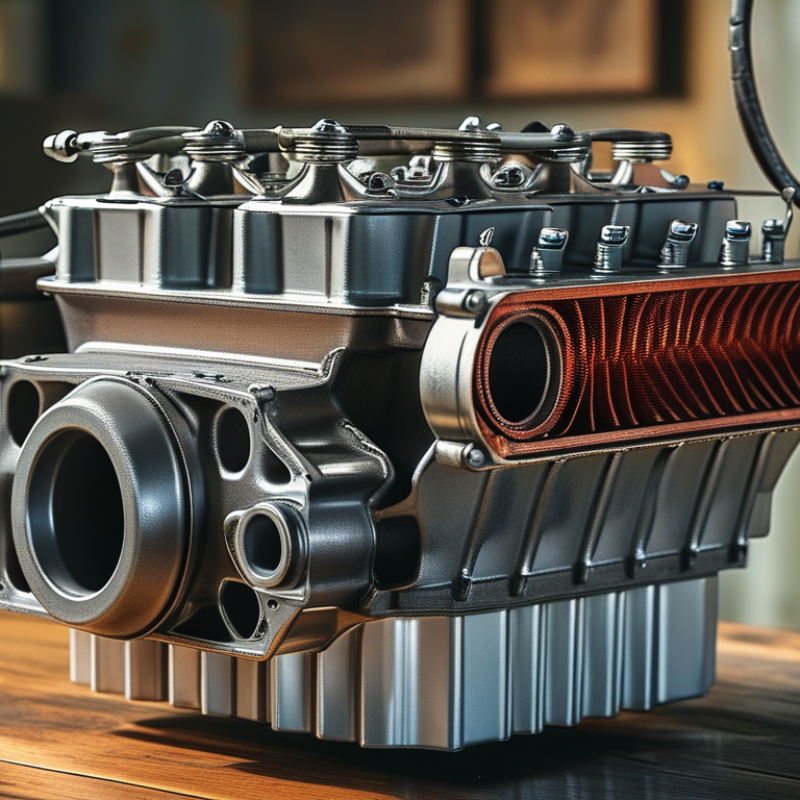
The intercooler plays a critical role in enhancing engine performance. It cools the air that's been compressed by the turbocharger or supercharger. Hotter air is less efficient for combustion. By reducing the air temperature, the intercooler increases density. This allows more oxygen to enter the engine, leading to better combustion and more horsepower.
Consider the placement of your intercooler. A poorly positioned intercooler may not effectively reduce air temperature. Ensure it has adequate airflow and is shielded from heat sources. This will optimize its cooling potential. Additionally, regular maintenance should not be overlooked. Clean the intercooler to prevent dirt buildup that can hinder its performance.
Don’t underestimate the importance of upgrades. A high-performance intercooler can provide significant gains in power. Check compatibility with your engine setup. Sometimes, even minor adjustments can make a notable difference. Balancing the intercooler’s size with other engine modifications is crucial for achieving maximum performance. Keep in mind that bigger isn’t always better; it can lead to pressure drops that negate benefits.
: An intercooler cools air compressed by turbochargers, enhancing combustion efficiency and horsepower.
Cooler air is denser and allows more oxygen during combustion, which can lead to improved power output.
A poorly positioned intercooler may not cool the air effectively. Proper airflow and shielding are essential for optimal performance.
Regular cleaning is crucial to prevent dirt buildup, which can hinder airflow and decrease performance.
Yes, a high-performance intercooler can lead to noticeable power gains, but it must be compatible with the engine setup.
No, design and material variations impact performance. Not all intercoolers offer the same heat dissipation and airflow.
Many people think intercoolers alone boost horsepower, but they work best alongside other modifications.
Gains typically range from 5% to 20%, depending on engine type and tuning. Overblown claims should be viewed skeptically.
Design, location, and installation quality all influence how effectively an intercooler reduces air temperature.
A larger intercooler may cause pressure drops, negating potential benefits in performance. Balance is key.
A car intercooler plays a crucial role in enhancing engine performance by cooling the air entering the engine, which is essential for optimizing combustion efficiency. How does a car intercooler increase engine horsepower? By reducing the intake air temperature, the intercooler allows for a denser air charge, leading to a more efficient fuel-air mixture and increased power output. As the engine operates with cooler air, it can generate greater horsepower while minimizing the risk of overheating.
Additionally, understanding the various types of intercoolers and debunking common myths about their effectiveness can further illuminate their benefits. Different intercoolers, such as air-to-air and air-to-water, offer unique performance advantages, contributing to enhanced engine power and efficiency. Embracing these insights allows drivers to better appreciate how intercoolers can significantly influence their vehicle's horsepower and overall performance.

 Rock Auto