In the rapidly evolving electric vehicle (EV) industry, material selection is crucial. Recent reports indicate that aluminum tubes are gaining traction in manufacturing battery trays. But why are aluminum tubes preferred for EV battery trays? The lightweight nature of aluminum enhances vehicle efficiency. According to a study by the International Aluminium Institute, aluminum's high strength-to-weight ratio provides significant structural advantages.
Moreover, aluminum offers excellent corrosion resistance, which is vital for battery durability. A report from the Aluminum Association states that using aluminum can extend battery life by up to 25%. This durability is essential, given that battery replacement costs can reach thousands of dollars. However, the industry faces challenges related to recycling and sourcing. The production process is energy-intensive, raising concerns about sustainability.
Despite its benefits, there are questions about cost-effectiveness and long-term performance. Ongoing research is needed to address these aspects. Balancing lightweight design with environmental impact remains a key focus. As the EV market grows, understanding these dynamics becomes essential for manufacturers.
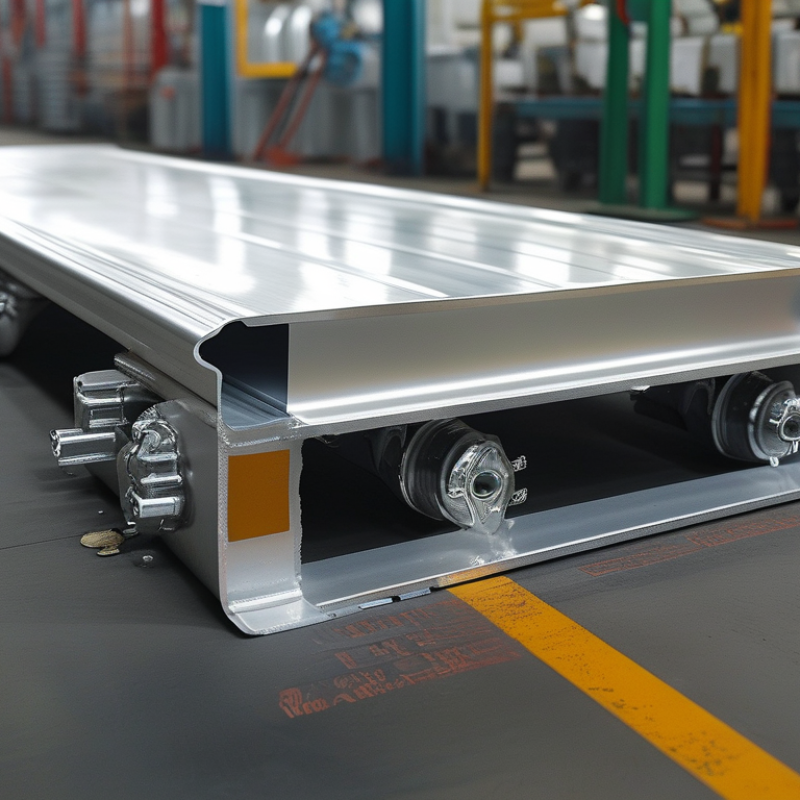
Advantages of Aluminum Tubes in EV Battery Tray Design
Aluminum tubes have emerged as a leading choice for EV battery tray design due to their unique properties. According to the Aluminum Association, the material is lightweight yet strong, offering an excellent strength-to-weight ratio. This property is crucial in electric vehicles, where reducing weight can significantly enhance efficiency and range. The use of aluminum can lead to a weight reduction of up to 20% compared to traditional steel trays.
In terms of thermal management, aluminum tubes excel in dissipating heat. This is vital for preventing battery overheating, especially during high-performance driving or charging. A report from the International Energy Agency indicates that effective thermal management can extend battery life by up to 30%. Furthermore, aluminum is highly corrosion-resistant, ensuring longevity and reliability in various environmental conditions. However, challenges remain in the cost factor and the energy required for aluminum production.
Recycling is another critical advantage. Over 75% of aluminum ever produced is still in use today, according to the Aluminum Association. This contributes to sustainability efforts within the EV sector. It is worth noting, though, that while recycled aluminum is more sustainable, its availability can fluctuate based on market demand. Crafting effective battery trays involves considering these variables carefully, as advancements in design must balance performance with environmental concerns.
Comparative Analysis of Materials Used in Battery Trays
In the ever-evolving world of electric vehicles (EVs), battery tray materials play a crucial role. Aluminum has emerged as a frontrunner for several reasons. Its lightweight nature greatly enhances energy efficiency. This is particularly important in EVs, where every kilogram counts. Additionally, aluminum boasts excellent thermal conductivity, helping to manage battery temperatures effectively.
Compared to other materials, aluminum shows impressive strength-to-weight ratios. This property allows for reduced overall vehicle weight while ensuring structural integrity. Steel, while strong, is heavier and can negatively impact vehicle range. Plastic trays, on the other hand, may lack the durability needed under intense conditions. They can warp or degrade over time, leading to potential safety issues.
Despite its advantages, aluminum is not without its challenges. Fabrication can be costly, and recycling requires energy. These factors raise questions about sustainability in the long run. However, ongoing advancements in aluminum processing and recycling may present solutions. Exploring these trade-offs is essential for future developments in EV battery technology.
Why Aluminum Tubes are the Top Choice for EV Battery Trays? - Comparative Analysis of Materials Used in Battery Trays
| Material Type |
Weight (kg/m2) |
Tensile Strength (MPa) |
Corrosion Resistance |
Cost ($/kg) |
Thermal Conductivity (W/m·K) |
| Aluminum |
2.7 |
310 |
Excellent |
2.50 |
205 |
| Steel |
7.85 |
400 |
Moderate |
1.50 |
54 |
| Composite |
1.5 |
500 |
Good |
5.00 |
0.4 |
| Magnesium |
1.74 |
250 |
Low |
4.00 |
156 |
Durability and Strength of Aluminum Tubes Under Extreme Conditions
Aluminum tubes stand out in the automotive sector, particularly for electric vehicle (EV) battery trays. Their ability to withstand extreme conditions is crucial. In fact, aluminum boasts a tensile strength of up to 300 MPa, making it strong yet lightweight. Reports indicate that aluminum's corrosion resistance significantly enhances the lifespan of EV systems, an essential factor for manufacturers.
Under adverse weather and temperature fluctuations, aluminum tubes maintain structural integrity. Research shows that aluminum can operate in temperatures ranging from -40°C to 80°C. This resilience is vital for EVs, which often face varying environmental challenges. Despite these benefits, one should reflect on manufacturing processes that can affect overall durability. Inconsistent welding quality can compromise the reliability of battery trays.
Moreover, the thermal conductivity of aluminum, about 205 W/mK, aids in efficient heat dissipation. This is critical as battery performance and safety depend on temperature regulation. However, attention must be paid to the design to ensure optimal cooling. Builders must balance weight reduction and safety, which poses a challenge in innovative EV design. The choices made during production can have lasting effects, underscoring the need for precise engineering methods.
Cost-Effectiveness of Aluminum Tubes for Electric Vehicle Manufacturing
Aluminum tubes have gained prominence in the manufacture of electric vehicle (EV) battery trays. Their lightweight nature is a significant advantage for improving vehicle efficiency. This attribute allows manufacturers to create more performant and energy-efficient models. Given the rise in global demand for EVs, finding cost-effective materials is essential for sustainable production.
The cost-effectiveness of aluminum tubes over traditional materials plays a crucial role in EV manufacturing. They can be produced with lower energy consumption and reduced waste. Aluminum also offers excellent corrosion resistance, leading to longer product life and fewer replacements. This durability helps in minimizing overall manufacturing costs over time.
While aluminum tubes present many benefits, there are challenges. The manufacturing process can be resource-intensive. Recycling methods for aluminum tubes, while available, still require innovation for efficiency improvements. Manufacturers must continually assess these trade-offs. It is vital to balance cost and sustainability in future designs for battery trays to ensure long-term viability in an evolving market.
Environmental Impact of Using Aluminum in EV Battery Trays
The switch to electric vehicles (EVs) brings new challenges and opportunities for material selection, especially in battery trays. Aluminum has emerged as a leading choice, offering significant environmental advantages. According to the International Aluminum Institute, aluminum recycling can save up to 95% of the energy needed to produce new aluminum. This recycling efficiency plays a crucial role in reducing the carbon footprint of EV battery production.
Moreover, the lightweight nature of aluminum contributes to improved energy efficiency for EVs. A lightweight battery tray can enhance the vehicle's overall range, an essential factor for consumers. A study from the American Lightweight Materials Manufacturing Innovation Institute indicates that reducing vehicle weight by 10% can improve fuel efficiency by 6-8%. However, challenges remain. While aluminum is recyclable, the mining process still poses environmental risks, including habitat destruction and greenhouse gas emissions.
Addressing these issues is vital. The industry must prioritize sustainable practices in aluminum sourcing. Fostering responsible mining and enhancing recycling infrastructure can mitigate the environmental impact. As the EV market grows, finding a balance between performance and sustainability will be crucial. The path forward requires continuous innovation and reflection on material choices.
FAQS
: Aluminum is lightweight, which enhances energy efficiency and helps manage battery temperatures effectively.
Aluminum has a better strength-to-weight ratio than steel and is more durable than plastic. Plastic can warp over time.
Fabrication costs can be high, and recycling aluminum requires significant energy. This raises sustainability concerns.
Aluminum recycling saves up to 95% of the energy required to produce new aluminum, reducing the carbon footprint of production.
They must balance cost against sustainability, as the manufacturing process can be resource-intensive.
A lighter vehicle improves energy efficiency, potentially increasing the overall range for consumers.
Yes, mining aluminum can lead to habitat destruction and greenhouse gas emissions, posing environmental challenges.
Reducing weight by 10% can improve fuel efficiency by 6-8%, emphasizing the importance of lightweight materials.
Continuous innovation is needed to improve recycling methods and minimize the environmental impact of aluminum sourcing.
Absolutely, responsible mining and enhanced recycling infrastructure are crucial to mitigate environmental impacts as EV demand grows.
Conclusion
Aluminum tubes have emerged as a preferred material for electric vehicle (EV) battery trays due to their numerous advantages. First and foremost, the use of aluminum tubes enhances the design of battery trays by offering a lightweight yet durable structure, which contributes to overall vehicle efficiency. In a comparative analysis of materials, aluminum outperforms alternatives in terms of strength-to-weight ratio, making it ideal for supporting heavy battery systems.
Moreover, aluminum's resilience under extreme conditions ensures that battery trays can withstand rigorous operational demands, further solidifying their role in EV manufacturing. Cost-effectiveness also plays a crucial role; aluminum tubes are economically viable for mass production while maintaining quality. Lastly, the environmental impact of using aluminum is significantly lower compared to other materials, aligning with the sustainability goals of the automotive industry. In summary, these factors collectively answer the question: Why are aluminum tubes preferred for EV battery trays?

 Rock Auto